
Last updated November 21, 2026
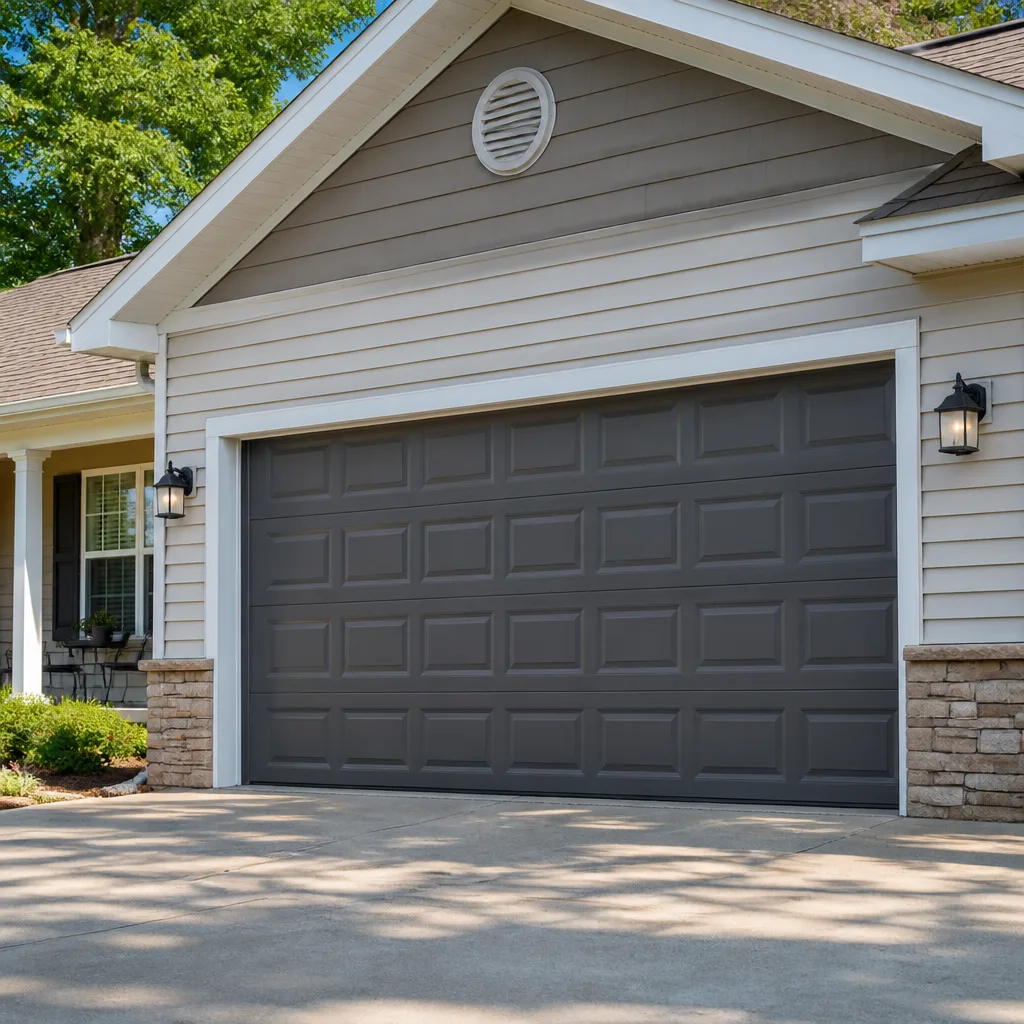 Raised-panel steel
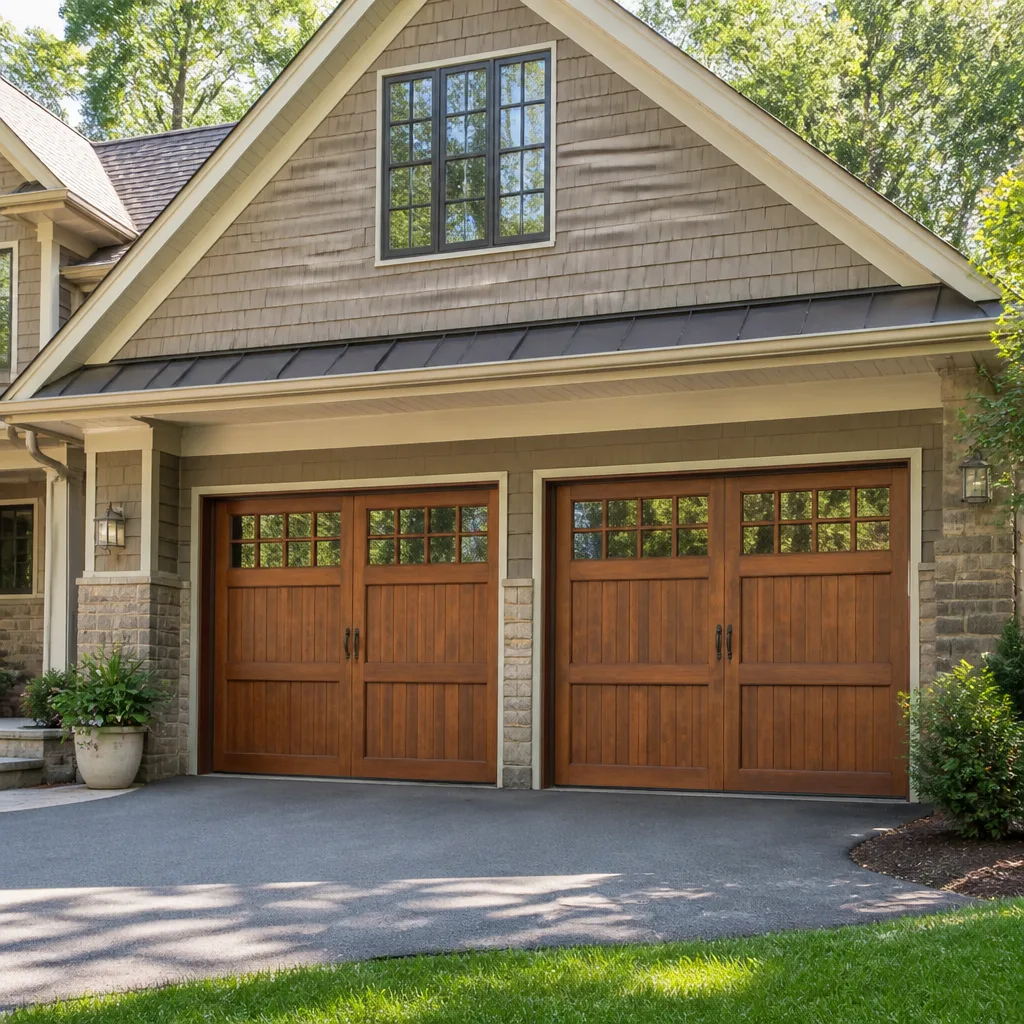 Carriage house
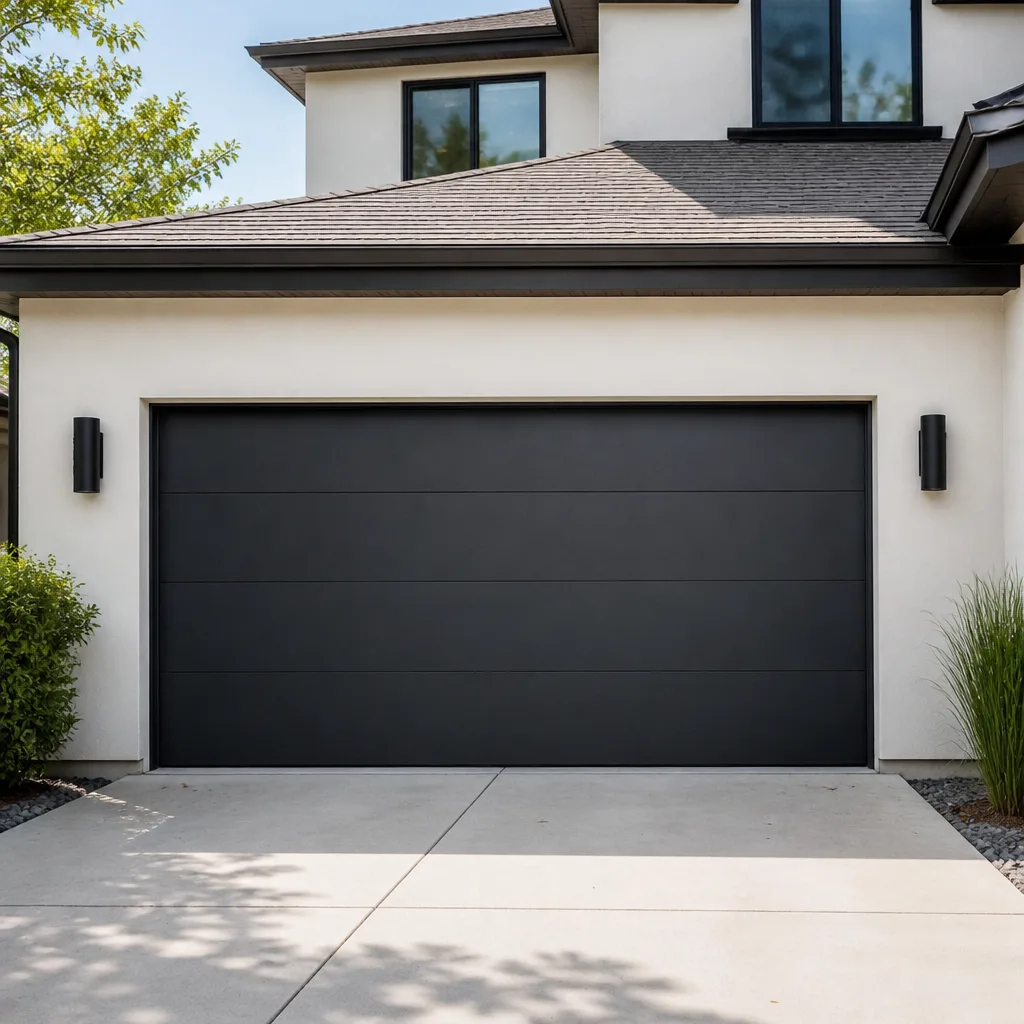 Modern flush
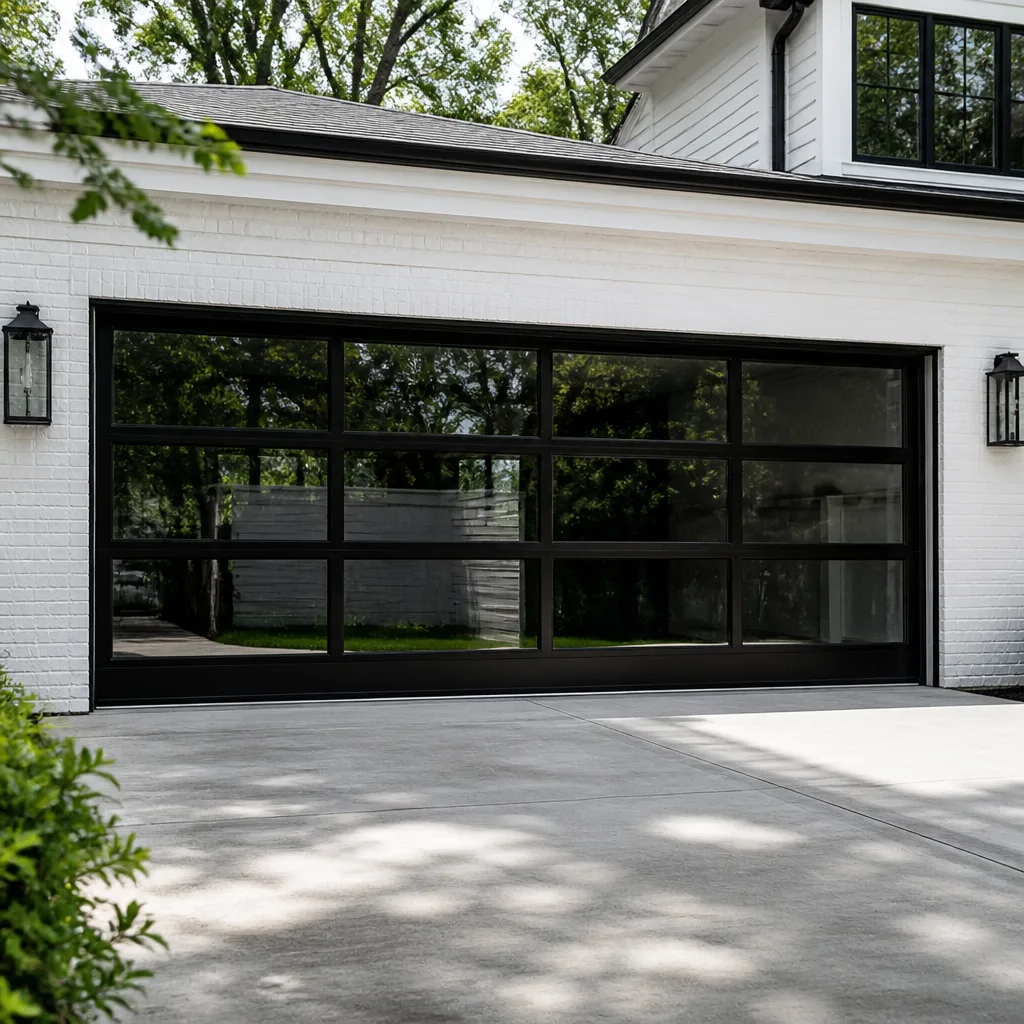 Full-view glass
 LiftMaster openers
 Chamberlain openers
Full 25-point door and opener safety check with every visit - springs, cables, rollers, tracks, and your LiftMaster or Chamberlain opener included
You get a price before we start. It does not change when the pro arrives.
Get your free estimateGarage Door Permits, Codes & Inspections in Danbury, CT: What You Need to Know
Most Danbury homeowners assume swapping a garage door is paperwork-free, and for a straight like-for-like replacement they’re usually right. The trouble starts when the job quietly changes shape: a new opener drawing a different circuit load, an opening widened by a couple of inches, or a garage that gets absorbed into finished living space. Any one of those pushes a “replacement” into “alteration” territory, and that’s where permits, inspections, and fire-separation rules enter the picture. This guide walks through the decision tree we use when a Danbury job raises those questions, so you know what triggers a permit, what an inspection actually looks at, and how to keep a clean paper trail.
Quick Answer
A straight garage door replacement on a one- or two-family home in Danbury typically does not require a building permit. You do need one when the work changes the structure (widening or moving the opening, altering headers or framing), adds or reconfigures an opener circuit in a way that touches the electrical system, creates or modifies a fire-rated separation between a garage and living space, or converts a garage into habitable space. When in doubt, a five-minute call to the Danbury building department settles it, and it’s far cheaper than discovering the gap during a sale or an insurance claim.
Styles & brands we work with
- Raised-panel steel
- Carriage house
- Modern flush
- Full-view glass
- LiftMaster openers
- Chamberlain openers
Table of Contents
- What Actually Triggers a Garage Door Permit in Danbury?
- Replacement vs. Alteration: Where the Line Sits
- Fire Separation and the CT State Building Code
- UL 325, Opener Safety, and the Electrical Code
- The Practical Permit Process in Danbury
- What a Garage Door Inspection Actually Checks
- Unpermitted Work and Your Homeowner’s Insurance
- Common Mistakes to Avoid
What Actually Triggers a Garage Door Permit in Danbury?
A permit is triggered when the scope of work crosses from maintenance or cosmetic replacement into structural, electrical, or life-safety change. That’s the operating principle behind Danbury’s building review, and it mirrors how most Connecticut municipalities read the state code. The door panel itself is rarely the issue. What surrounds it is.
These are the triggers we flag for homeowners before work begins:
- Changing the opening dimensions. Widening, raising, or relocating the rough opening means cutting into the header, reframing the sides, and often re-sheathing. That’s structural work, and it needs a permit and inspection.
- New structural support. If the existing header can’t carry a wider or heavier door, adding a beam or sistering framing is a structural alteration.
- New or relocated opener circuit. A hardwired opener that requires a new circuit, a receptacle move, or a panel change falls under electrical permitting, not just the building permit.
- Attaching a garage to finished living space. Converting an attached garage into a bedroom, office, or family room changes the fire separation requirements and often the ventilation and egress picture, all of which require review.
- Fire-rated assembly changes. Any change to the wall or door that separates the garage from the house has to maintain the required fire rating, and the inspector will look for it.
- Adding a garage to a home that doesn’t have one. An entirely new structure is a new construction permit, with foundations, framing, and electrical all reviewed.
A plain replacement of a damaged door with a same-size, same-weight door on existing hardware is normally exempt. So is replacing a worn spring or a failed opener with a similar unit. If you’re unsure where your project falls, describe the work to the Danbury building department in plain terms and ask them to classify it. That’s the fastest, most reliable answer you’ll get.
Replacement vs. Alteration: Where the Line Sits
The distinction that matters most comes down to a single question: after the work is done, is the building different in a way that affects structure, safety, or energy performance? If yes, it’s an alteration. If no, it’s a replacement. That sounds obvious, but the classification trips people up because the physical work feels similar from the homeowner’s side of the door.
Here’s how the categories usually break down:
- Same-size door, same hardware, same opener. Replacement. No permit. This is the most common scenario in Danbury homes, whether it’s a two-car attached garage in a subdivision off Stadley Rough Road or a detached single bay near Rogers Park.
- New door but same opening, upgraded opener with a new circuit. Replacement plus an electrical permit for the new circuit. The door doesn’t trigger a building permit; the electrical work does.
- Door change paired with a small opening adjustment. Alteration. The moment the framing changes, the job is reviewed.
- Opener replacement that only swaps low-voltage wiring. Generally electrical-exempt in the same way a light fixture swap is, but only if the existing circuit and receptacle stay put.
- Any change to the garage-to-house wall, door, or ceiling separation. Alteration with fire-separation implications, which we cover next.
We’ve had homeowners surprised by how quickly a small aesthetic change moves into alteration. A taller door to fit a lifted truck sounds like a door swap until you realize the rough opening has to grow, the header has to be raised or replaced, and the exterior trim gets rebuilt. Any one of those steps changes the answer. If your plan involves the word “taller,” “wider,” or “convert,” assume a permit is in play until the building department tells you otherwise.
Fire Separation and the CT State Building Code
The single code point that fails inspections most often on garage projects is fire separation. Connecticut’s residential code, following the model adopted in Section R302, requires a fire-rated separation between a garage and the living space it’s attached to. The separation has to resist fire long enough to give occupants time to escape and to slow the spread into the home. That requirement lives in the wall, the ceiling, and, for many attached garages, the door between the two.
In practical terms, this means the door leading from an attached garage into a house has to be a fire-rated assembly as required by code, with self-closing hardware in most configurations. It has to sit on a properly rated frame. The wall and ceiling shared with the house have to be finished to the required rating. All of that needs to stay intact after the work.
Where this goes wrong during a garage door project:
- The service door between garage and living area gets replaced with a standard hollow-core interior door because no one flagged the rating.
- Drywall on the shared wall gets cut into during reframing and never patched back to the required thickness and finish.
- The exterior door at the front of the garage is fine, but a homeowner converts the rear of the garage to a mudroom without understanding that the entire shared wall has to meet fire separation.
- The ceiling in an attached garage gets a thin decorative panel over the original drywall and the inspector can’t verify the rating.
Fire separation is the reason converting an attached garage to living space is a bigger permit than it looks. The change touches walls, ceilings, ventilation, and egress all at once. If you’re thinking about a conversion, plan for a full review rather than a door swap. Our team handles the door, but the wall assembly is a question for the building department and, in many cases, a designer.
UL 325, Opener Safety, and the Electrical Code
Every residential garage door opener installed today has to meet UL 325, the safety standard that governs entrapment protection. The current edition requires two independent means of entrapment protection, typically the photo-eye safety sensors plus either a reversing edge or a monitored safety feature on the wall control. That standard is what makes a modern opener safe, and it’s not optional in a permitted installation.
Where UL 325 intersects with the electrical code is at the installation. The opener itself must be listed to UL 325. The circuit feeding it must follow the electrical code, which in a residential garage means a properly grounded receptacle, an accessible disconnecting means, and a circuit sized for the load. A replacement opener on an existing circuit that already meets those conditions is a simple swap. A new opener that needs a new circuit, a dedicated receptacle, or a panel change is an electrical permit.
Three points worth knowing when you install or upgrade in Danbury:
- Cellulose walls and Connecticut winters don’t change the electrical code, but they do change the installation. Garages here sit through freeze-thaw cycles and heavy snow loads, so the opener rail and the door have to be tuned for a door that binds a little tighter in February than it does in June. A professional install accounts for that. A DIY install often doesn’t, and the opener limps through its first cold snap.
- The photo-eye alignment is a life-safety device, not a convenience. If the sensors aren’t mounted, aligned, and monitored by the opener, the installation isn’t compliant with UL 325, even if the door goes up and down.
- The disconnect and the manual release matter for inspection. The inspector will check that the opener can be released from outside with the emergency key (if supplied) and that the wall control is not placed where a person can reach it from inside the door’s travel path.
We install and service openers from LiftMaster and Chamberlain because they carry the safety features inspectors look for out of the box. When a project is straightforward, our garage door opener repair team handles the swap and leaves the safety features verified. When it involves new circuits, that’s electrician territory, and the building department will want to see it on the permit.
The Practical Permit Process in Danbury
The permit process is simpler than most homeowners fear, but it does take a real sequence of steps. Knowing the shape of it up front prevents the delays that come from an incomplete application.
- Call the Danbury building department and describe the scope. Tell them the address, the age of the home, what’s changing, and whether the work touches structure, electrical, or fire separation. Ask them to classify it and tell you which permits apply.
- Gather documentation. For an alteration you’ll typically need a simple drawing or sketch of the wall or opening change, the door’s specifications, and, if the opener is being replaced or added, the model and its UL listing. The building department will let you know the required format.
- Submit the application and pay the fee. Permit fees in Danbury are set by the building department based on the scope and valuation of the work. Ask the counter what the fee structure is for your project, and get it in writing before you write a check.
- Schedule the inspection in the right sequence. For structural changes, the framing inspection happens before the drywall goes up. Electrical inspections happen after rough-in. The final inspection happens after the door, opener, and fire separation are all finished.
- Get the certificate of approval. This is the piece of paper that closes the loop. Keep it with your home records, and keep a photograph of the inspection sticker if the department issues one.
Danbury is a busy market, and inspections can fill up during the spring, when homeowners tackle exterior projects after a long winter. Plan for a few weeks between application and final sign-off on an alteration. A straight replacement doesn’t need any of this, which is why most Danbury jobs never enter the process at all.
What a Garage Door Inspection Actually Checks
An inspection for permitted garage work isn’t a door tune-up. It’s a review of the permitted scope: did the structure match what was approved, did the electrical work meet code, and does the finished assembly perform as the code requires. In our experience, the inspector looks at these items in order:
- Structural conformance. Framing, header, and sheathing match the approved drawings. No surprise notches, no cut-through jack studs.
- Fire separation. The garage-to-house wall, ceiling, and any service door meet the required rating, with no gaps or unpatched penetrations.
- Electrical. Opener receptacle grounded and accessible, disconnect present, wiring in conduit where required, no open junctions.
- UL 325 safety features. Photo-eye sensors present, aligned, and monitored. Wall control positioned correctly. Manual release operates freely.
- Door performance. Balanced door that holds position, springs matched to the door weight, opener force limits set correctly, and a clear path of travel.
- Weather sealing and drainage. Bottom seal intact, threshold drainage clear, no water intrusion paths left from the new framing.
Inspection failures almost always come down to one of two things: missing documentation for the fire separation, or an opener install that skipped the safety sensors. Both are preventable with a checklist before the inspection, and both are why we walk our Danbury installs through the inspector’s probable questions before the appointment.
Unpermitted Work and Your Homeowner’s Insurance
Unpermitted work becomes a problem at two moments: a sale and a claim. Both are painful, and both are far less common than the internet suggests, but they are real. A home sale disclosure form in Connecticut asks about permits and unpermitted improvements, and a buyer’s inspector will flag structural or electrical work that doesn’t appear on record. When they do, the negotiation gets expensive.
On the insurance side, the question is whether the loss was caused by, or worsened by, the unpermitted work. A garage door replacement that was never permitted because it never needed a permit is not a problem. A garage conversion, structural change, or fire-separation modification performed without a permit creates a question mark in the claims process. Insurers want to see that the home was constructed and modified in accordance with code. If they can’t, they may treat the affected portion of the loss differently. That doesn’t mean a denial in every case, but it does mean a slower claim, more documentation, and sometimes a dispute.
The fix is simple. Keep the permit record, keep the inspection approval, and keep the door specification sheet in the same folder where you keep your appliance manuals. When you sell the house or file a claim later, that folder answers the question.
Common Mistakes to Avoid
- Assuming every door replacement needs a permit. It’s the opposite mistake from the more common one, and it costs homeowners real money in unnecessary fees. A same-size replacement on existing framing and hardware is typically exempt in Danbury. Ask before you spend.
- Assuming no door project ever needs a permit. The “I’m just replacing the door” defense falls apart the moment the rough opening changes. If the plan involves cutting the framing, assume a permit is in play.
- Overlooking the service door between garage and house. That door is part of the fire separation. Replacing it with a non-rated interior door is a code problem that goes unnoticed until an inspection or a sale.
- Skipping the electrical permit on a new opener circuit. Adding a circuit, moving a receptacle, or upgrading a panel is electrical work, and the garage isn’t exempt because it’s an easy room to work in.
- Not documenting the fire-rated assembly before drywall goes up. Inspectors want to see the wall before it’s covered. Take photographs and schedule the framing inspection at the right point instead of scrambling after the fact.
- Assuming the installer handled the permit. In Connecticut, the permit is normally pulled by the licensed trade doing the work, but the homeowner is the one who ends up owning the gap if it’s never pulled. Confirm in writing before work starts.
- Forgetting the certificate of approval. The permit record only has value if the file is closed. Keep the inspection sign-off, not just the permit application.
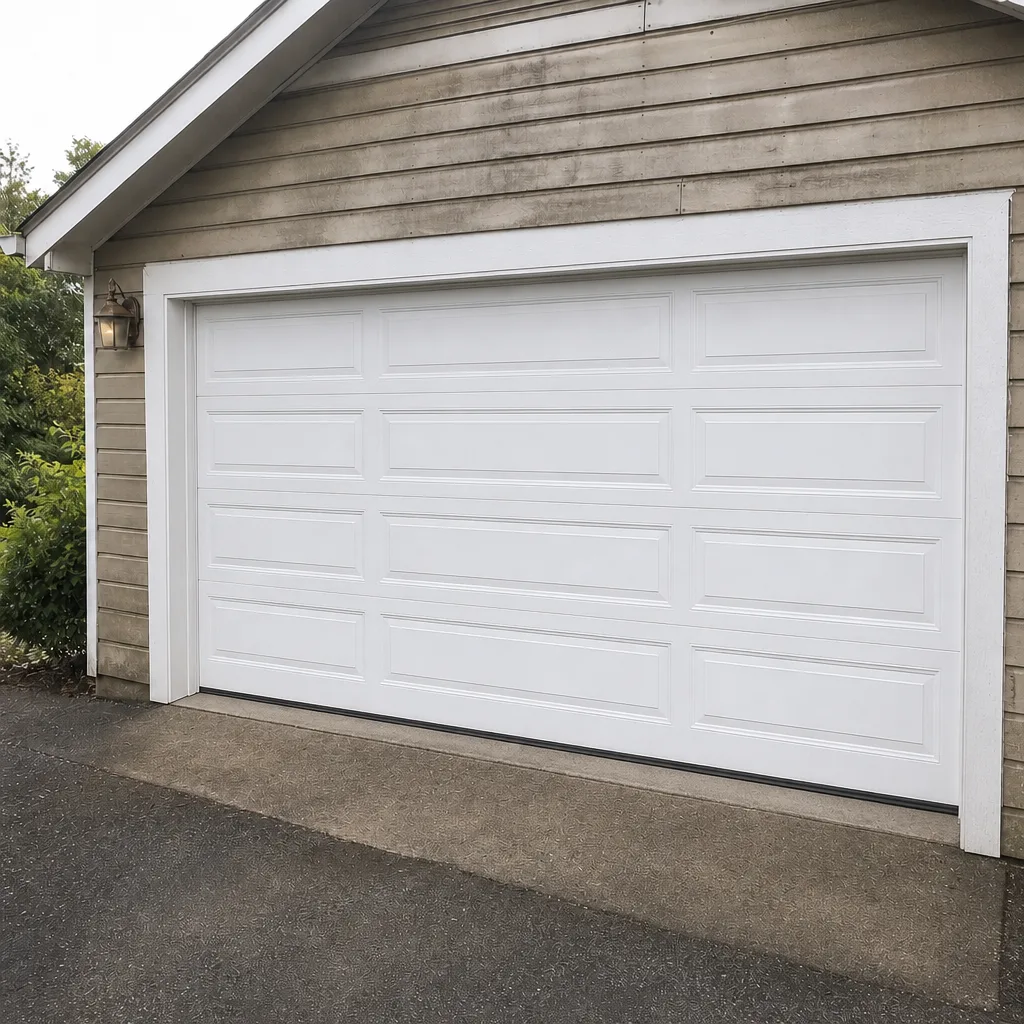
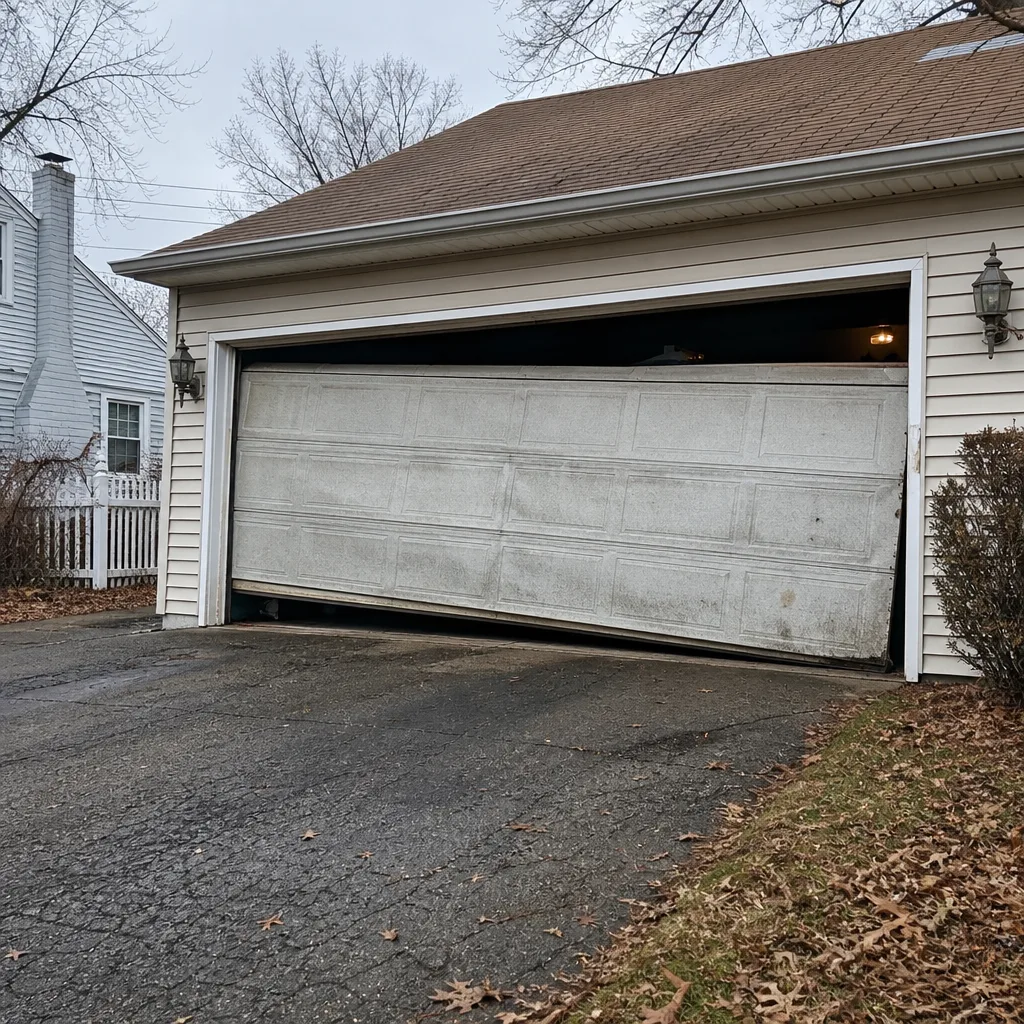
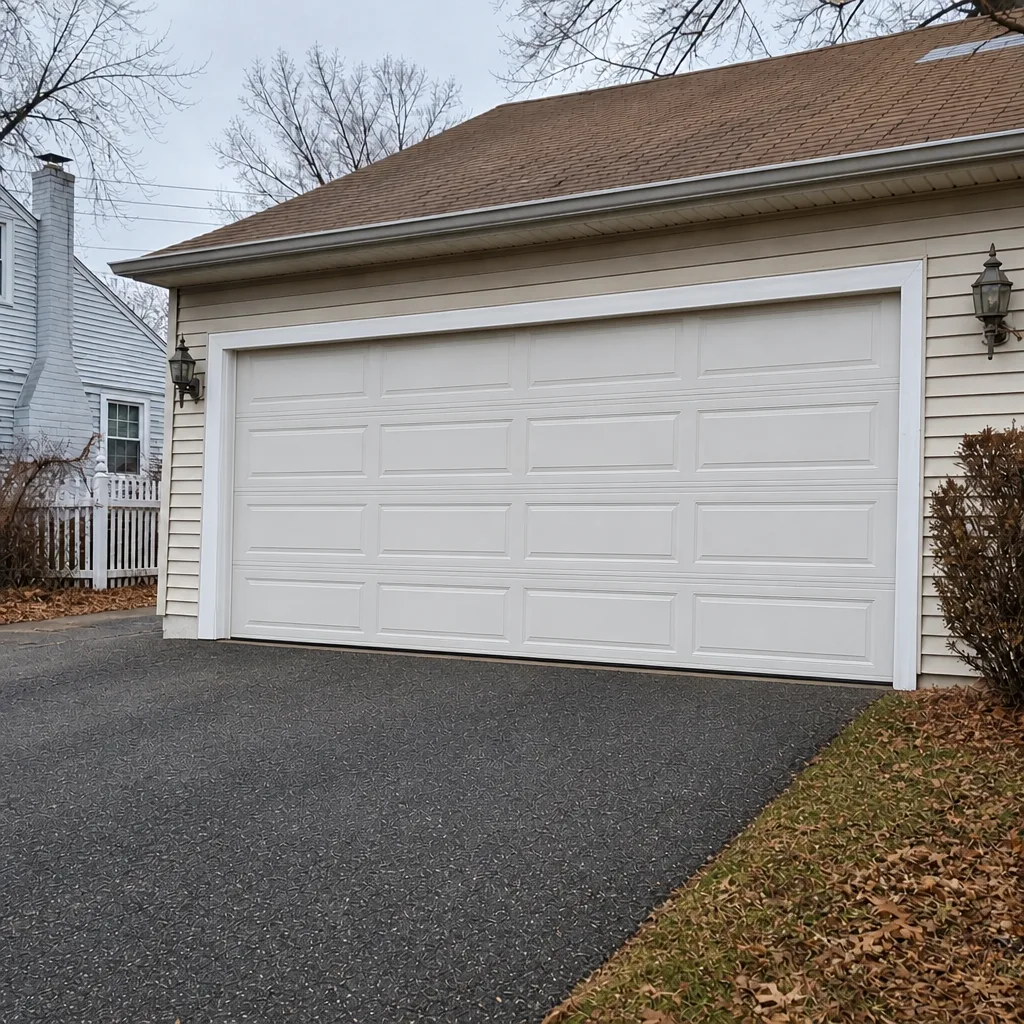
See the difference
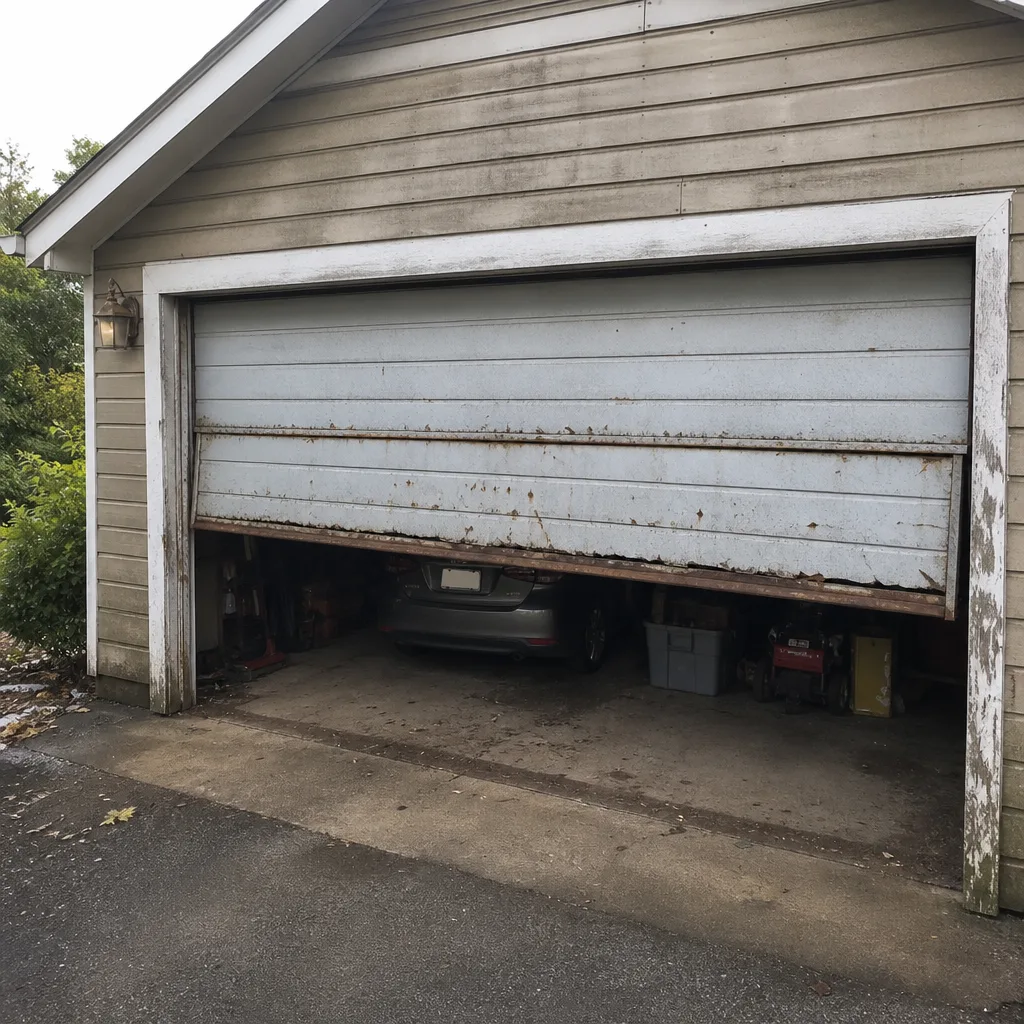 Before
 After
 Before
 After
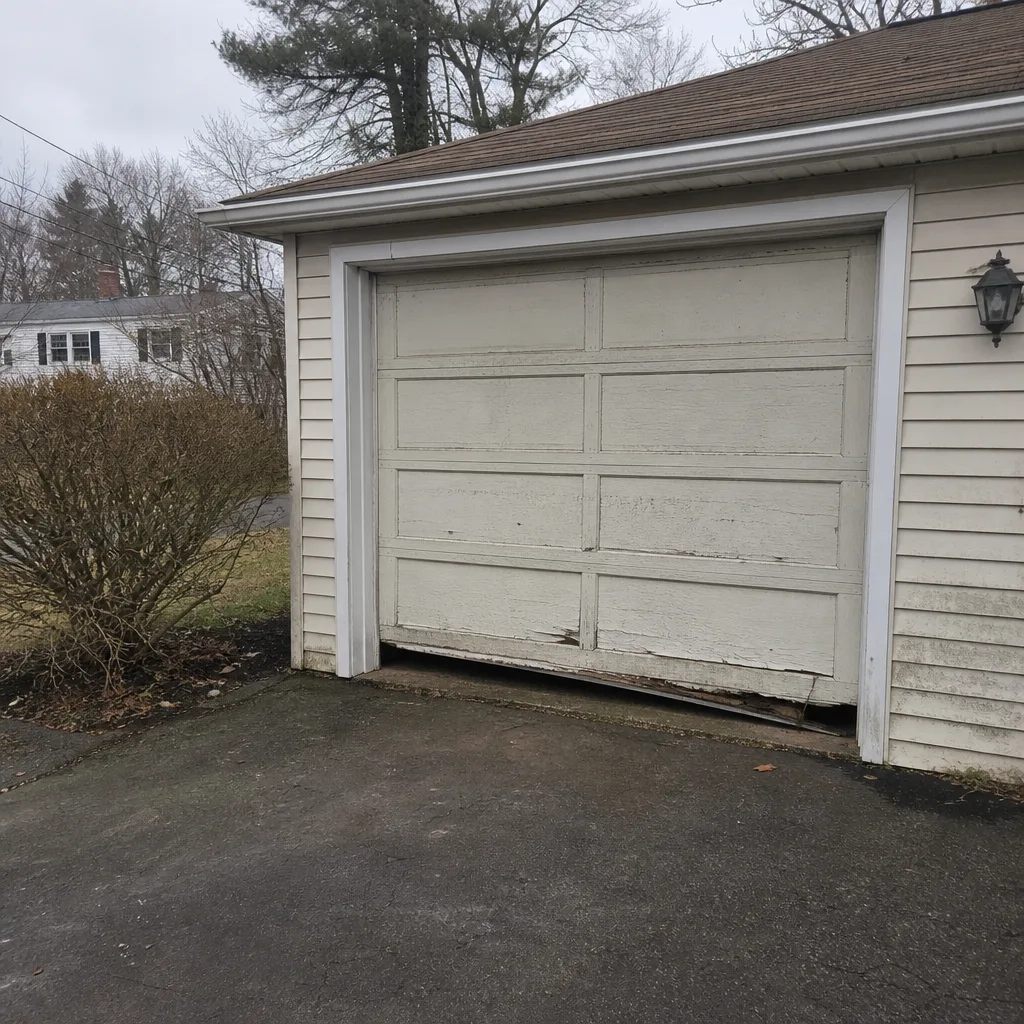 Before
 After
When to Call a Professional
Some garage door work is safe to handle yourself. A visual check of the safety sensors, a wipe-down of the tracks, and a monthly balance test are all fine to do on your own. Everything past that changes the calculation. High-tension springs store enough energy to cause serious injury in a fraction of a second, and adjusting the hardware that holds them is not a DIY job. Electrical work on the opener circuit belongs to a licensed electrician, and structural changes belong to a licensed contractor working from a permit. If your Danbury project involves any of those pieces, or if you’re simply not sure where the work falls, that’s the moment to bring in help. Danbury Garage Door Repair Co offers free estimates in Danbury, and our team can tell you whether the work needs a permit and how to sequence it. Call (844) 524-6649.
Frequently Asked Questions
Usually not. A same-size replacement on existing framing, hardware, and opener is typically exempt from building permits in Danbury. You only need a permit when the work crosses into structural, electrical, or fire-separation changes. Call (844) 524-6649 if you’re unsure where your project falls, and estimates are free.
Only when it involves new electrical work. If you’re replacing an opener on an existing, code-compliant circuit, no electrical permit is normally required. If the install requires a new circuit, a relocated receptacle, or a panel change, that work falls under an electrical permit. Confirm with the Danbury building department before the install.
Connecticut’s residential code, following the model in Section R302, requires a fire-rated separation between an attached garage and the living space it borders. The wall, ceiling, and any service door between garage and house all carry a rating that has to stay intact after the work. Confirm the current edition with the Danbury building department, since local amendments can apply. Call (844) 524-6649 for a free estimate on the door side of the work.
An inspection checks the permitted scope: structural conformance, fire separation, electrical, UL 325 safety features, door balance, opener force settings, and weather sealing. It’s not a tune-up. It’s a code review of the approved work, and it’s the step that closes the permit file.
It can, when the unpermitted work contributed to or worsened the loss. Insurers want to see that the home was modified to code. A proper permit record and inspection approval keep your options open. If the work didn’t need a permit in the first place, which is the case for many straight replacements in Danbury, there’s no problem to worry about.
A straightforward alteration typically moves from application to final inspection in a few weeks, though timing varies with the scope and the department’s schedule. Ask the building department for the current turnaround when you file, and plan around it. For a repair or a straightforward replacement, no permit timeline applies at all. Call (844) 524-6649 for scheduling, and estimates are free.
The Bottom Line
Most garage door work in Danbury never touches the permit counter, and that’s the point. A straight replacement, a spring rebuild, or an opener swap on existing wiring is normally outside the permitting scope, and it’s the majority of what Danbury homeowners ask for. The exceptions are structural changes to the opening, new electrical work on the opener circuit, and any alteration that touches the fire separation between garage and living space. When any of those are on the table, a permit and an inspection are the right step, and the inspection is far less intimidating than it sounds. Keep the door specifications, the permit record, and the inspection sign-off together, and your paper trail is complete. If the work falls into the territory where codes and craft overlap, our garage door repair and garage door spring repair teams know the difference between a replacement and an alteration. Our technicians have up to 15 years of experience, and we work on the brands you already own, whether it’s Raynor, Genie, or something else in your garage. Call (844) 524-6649 for a free estimate.
Contact Us
If you’re planning a garage door project in Danbury and want to know where it lands, call (844) 524-6649 for a free estimate. We answer 24/7. Fast dispatch, 7am-7pm, Sunday through Friday. From a simple replacement to a permitted alteration, our team can talk through the scope, the sequence, and the code questions that matter before any work starts.
Written by the team at Danbury Garage Door Repair Co.