
Last updated November 21, 2026
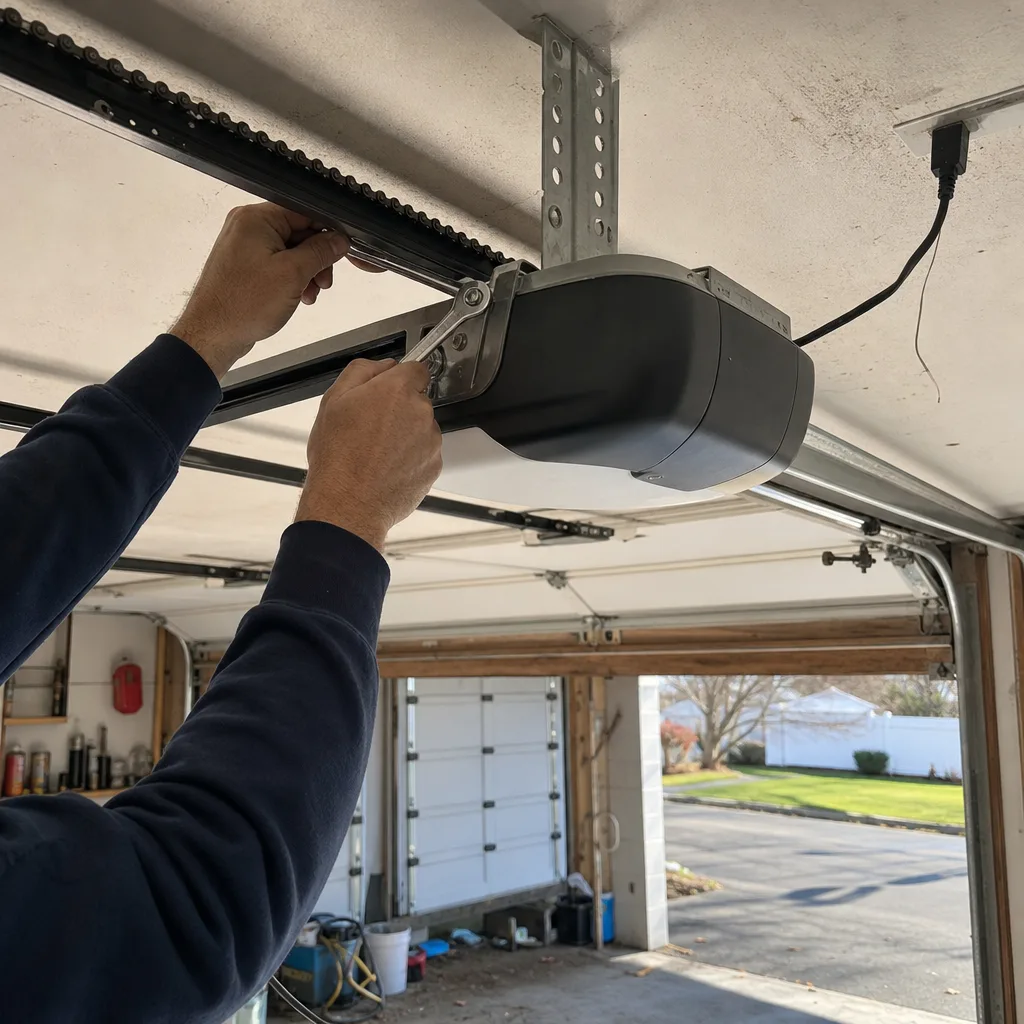
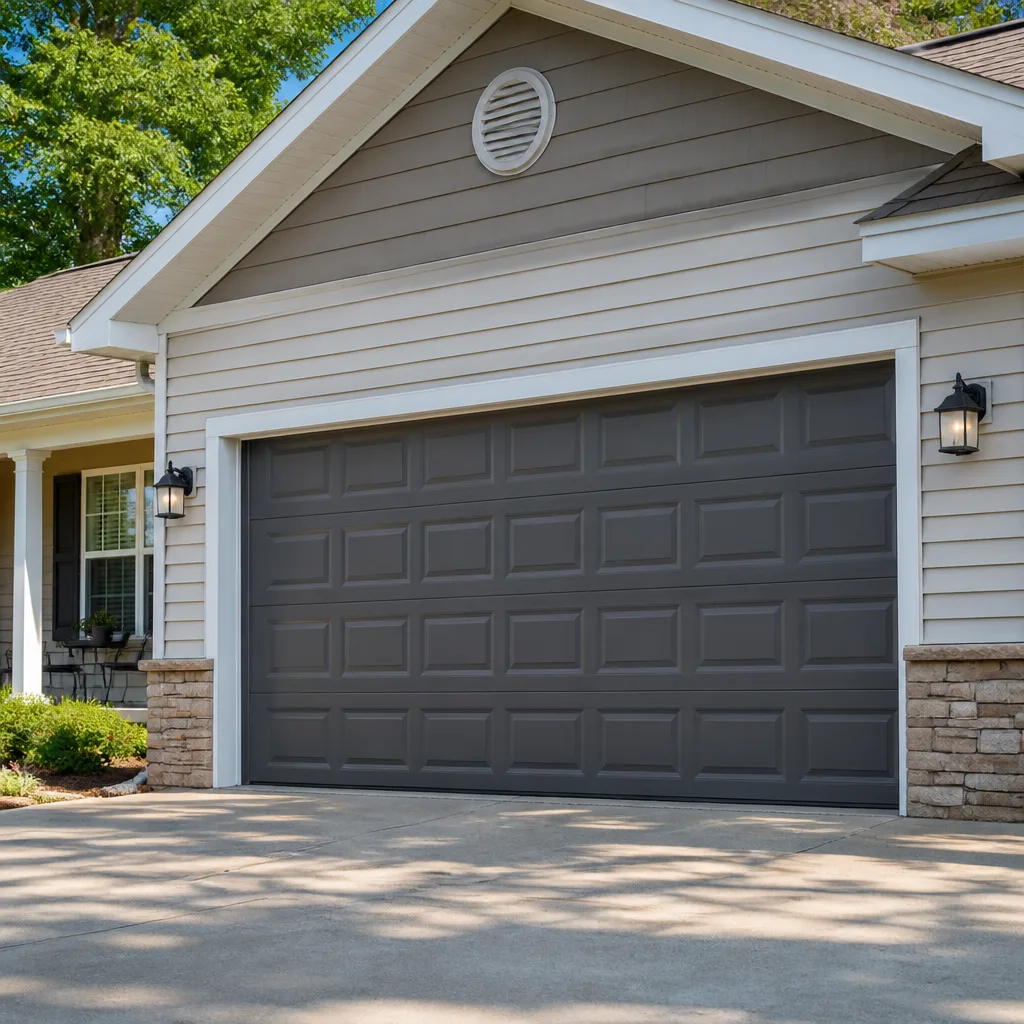 Raised-panel steel
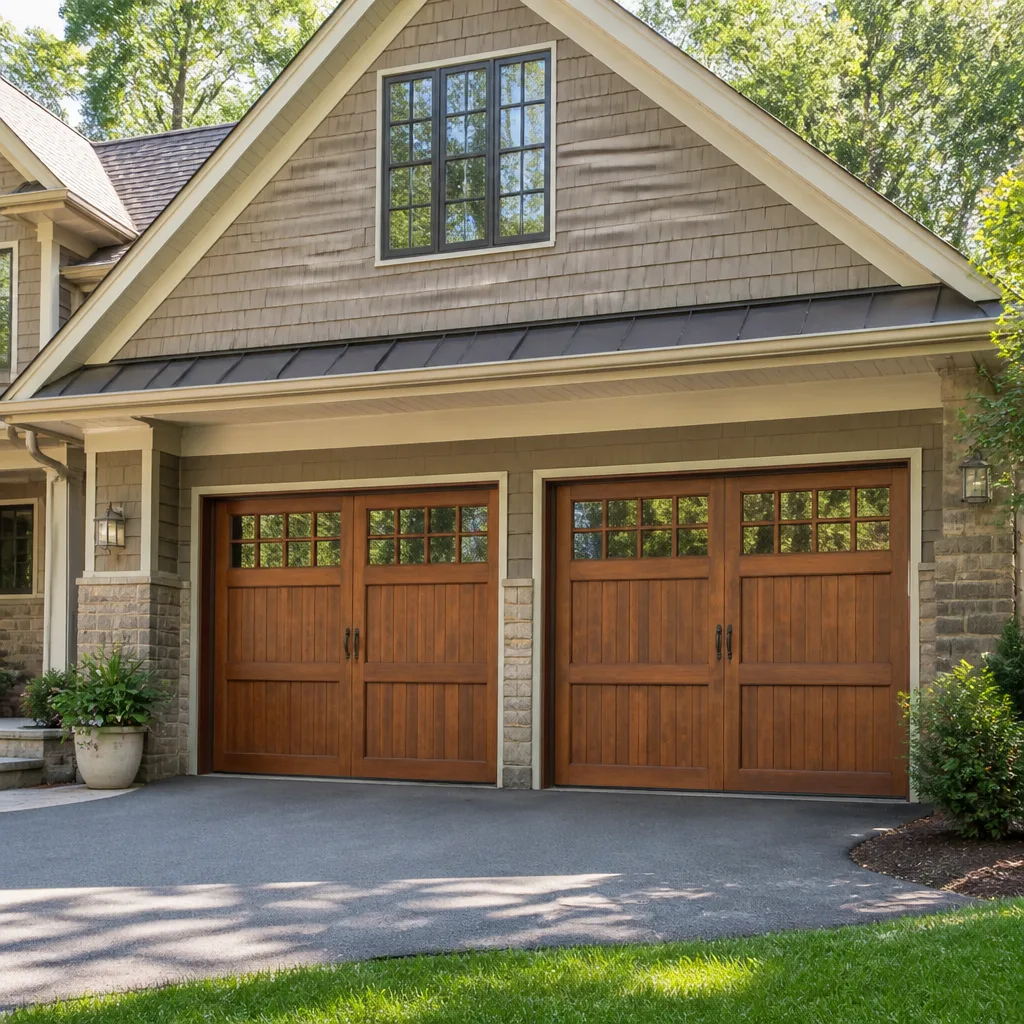 Carriage house
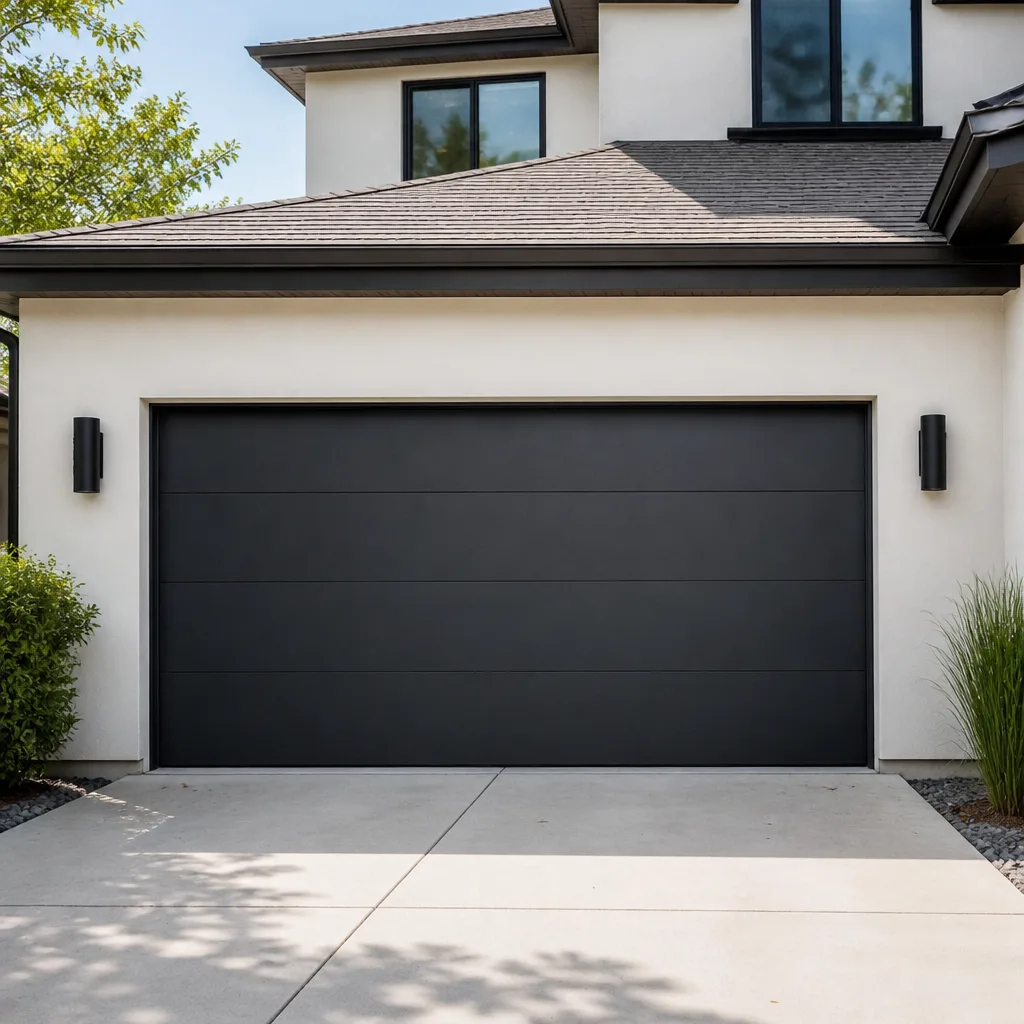 Modern flush
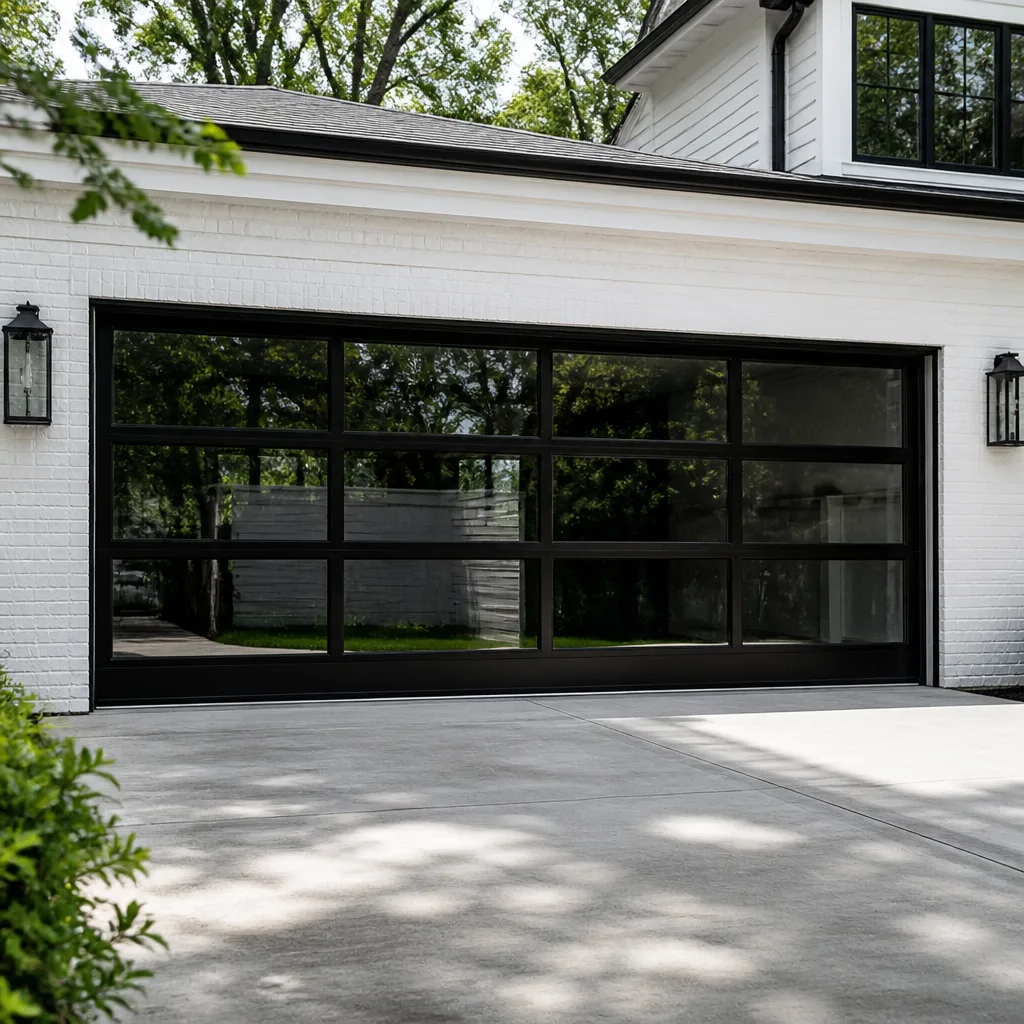 Full-view glass
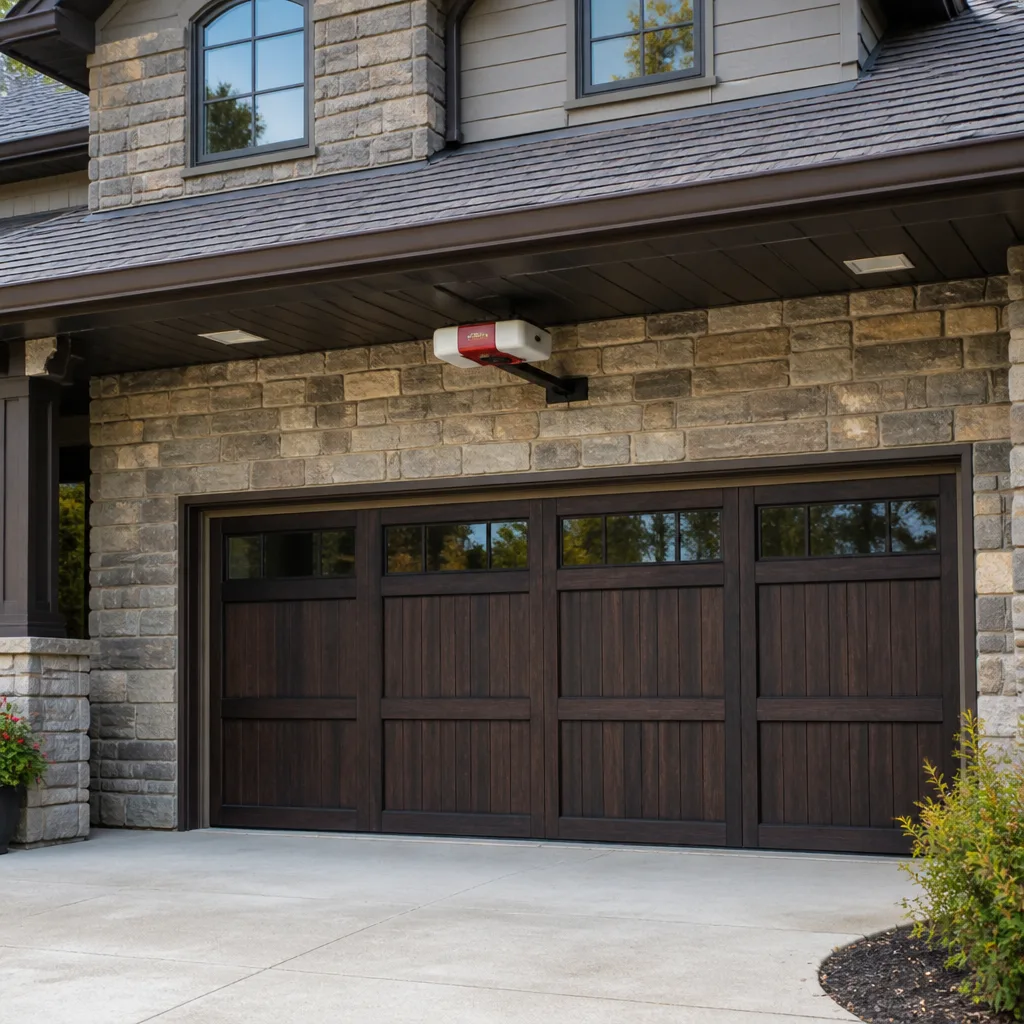 LiftMaster openers
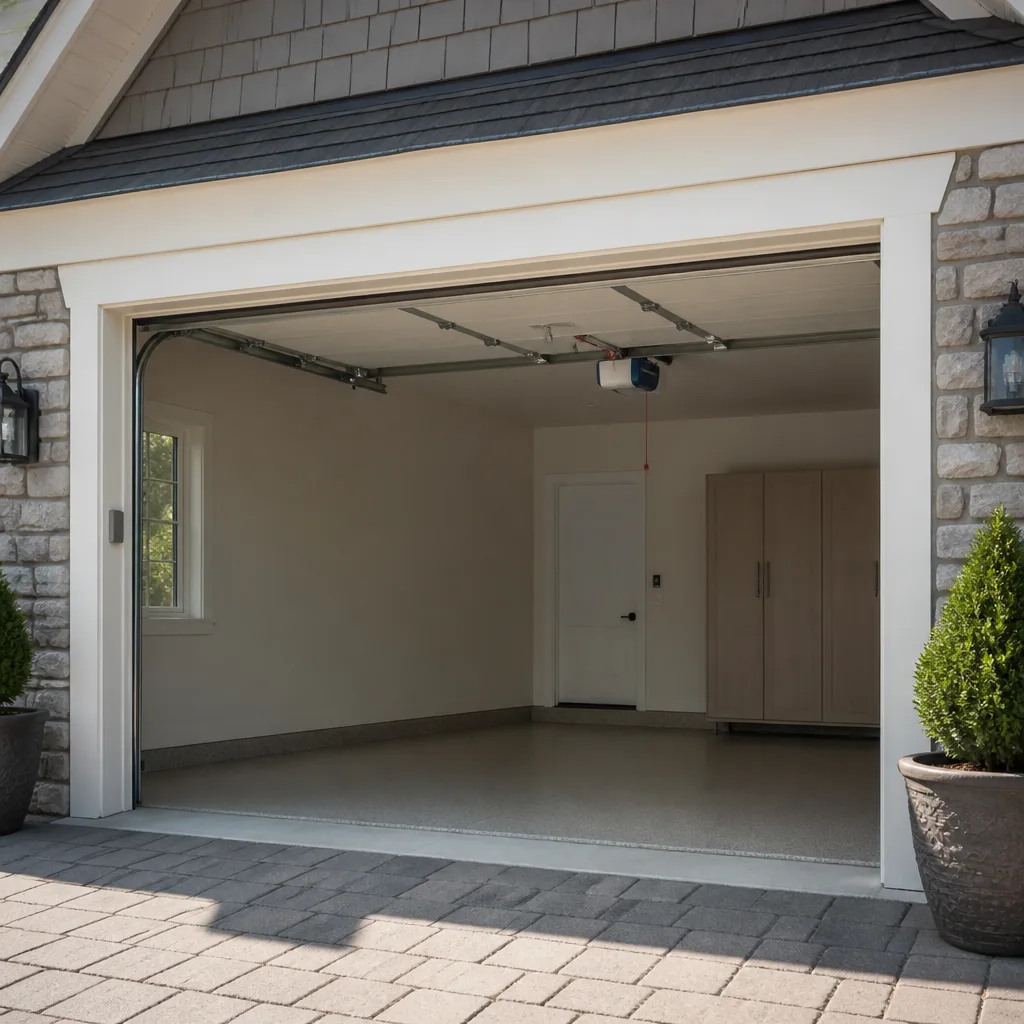 Chamberlain openers
Full 25-point door and opener safety check with every visit - springs, cables, rollers, tracks, and your LiftMaster or Chamberlain opener included
You get a price before we start. It does not change when the pro arrives.
Get your free estimateThe Complete Guide to Garage Doors in Danbury
Most garage door guides are written for a homeowner in Phoenix or Atlanta. Danbury gets sub-zero wind chills, salt-heavy road spray, and Colonial-era home proportions, and none of those guides account for any of it. A door that thrives in a mild climate can fail early here, and a product sold on national reviews may not even fit a 1940s City Center two-car opening. This guide maps the decisions to what actually works in Fairfield County: which materials survive our freeze-thaw cycles, how neighborhood architecture constrains your choices, what Connecticut code touches homeowners miss, and how to think about cost over ten years instead of ten minutes.
Quick Answer
Garage doors in Danbury hold up best in insulated steel or fiberglass, installed by a technician fluent across multiple brands rather than loyal to one. Our climate punishes wood and thin-gauge steel through repeated freeze-thaw cycles, so material choice matters more here than in most of the country. Repair is almost always cheaper than replacement, and knowing which one you need starts with a professional look at the springs, tracks, and opener.
Styles & brands we work with
- Raised-panel steel
- Carriage house
- Modern flush
- Full-view glass
- LiftMaster openers
- Chamberlain openers
Table of Contents
- How Danbury’s Climate Treats Your Garage Door
- Steel vs. Wood vs. Fiberglass: What Survives Here
- Neighborhood Architecture and Opening Sizes
- The Local Brand Landscape and Why Fluency Beats Loyalty
- Connecticut Code and Permit Points Homeowners Miss
- Total Cost of Ownership in This Market
- Repair or Replace: How to Decide
- A Maintenance Calendar for Fairfield County
How Danbury’s Climate Treats Your Garage Door
Danbury sits in a cold, inland corner of Connecticut where temperatures swing hard between seasons and often within a single week. The mechanism behind most early garage door failures here is freeze-thaw: moisture gets into a joint, seam, or crack, freezes overnight, expands, and works the material loose. Repeat that cycle through a winter and you get warped panels, rusted hinges, and springs that fatigue faster than their rated life.
The other local factor is road salt. Danbury’s hilly streets get treated heavily, and the spray that settles on the bottom of your door is corrosive. That’s why the lower panels and the bottom seal are usually the first things to go. In our experience, homeowners in the colder sections of town see the same pattern: rust staining at the hinges and rollers before anywhere else.
- Freeze-thaw stress hits seams, joints, and the weather seal hardest, and it’s the leading cause of premature wear on wood doors.
- Road salt spray attacks steel and hardware at the base of the door, so rinse the bottom panels and keep the seal intact.
- Cold contraction tightens springs and stiffens lubricant, which is why doors feel sluggish on the coldest mornings.
- Summer humidity swells unfinished wood and works at paint edges, so a good seal is a year-round job.
What this means for a Danbury homeowner is simple: buy for the climate, not the catalog. A door rated for a mild market will lose years off its life here. And a maintenance routine built around the shoulder seasons (before the first hard freeze and after the last) pays for itself. For a closer look at the safety-critical systems behind all this, see our page on garage door spring repair, where freeze-thaw wear shows up most.
Steel vs. Wood vs. Fiberglass: What Survives Here
The material you pick is the single biggest factor in how long a garage door lasts in Danbury. Each option has a place, but they’re not equals in a freeze-thaw climate, and the differences show up within a few winters, not a few decades. Here’s how the three main choices actually behave locally.
Insulated steel
Insulated steel is the workhorse for Danbury, and it’s what we’d point most homeowners toward. It handles cold, holds paint well when the finish is sound, and the inner insulation layer stops the door from becoming a giant heat sink against an attached garage. The one catch is the bottom edge: that’s where salt spray lands, so check it each spring and touch up any nick quickly.
Wood
Wood is beautiful and it fits the character of older Danbury homes, but it demands the most from a homeowner in this climate. It swells in summer humidity, contracts in winter, and every seam is an entry point for moisture. An unfinished or neglected wood door in Fairfield County will show rot at the base within a handful of seasons. If you want wood, budget for regular sealing, and buy quality.
Fiberglass
Fiberglass won’t rust and it won’t rot, which makes it a genuinely sensible option here, especially over a garage that isn’t heated. It’s lighter than steel, so the opener and springs do less work over the door’s life. Some fiberglass doors can look flat compared to wood or embossed steel, but for low-maintenance durability in a cold, wet climate, it earns its place.
- Best all-around for Danbury: insulated steel.
- Best for low maintenance: fiberglass.
- Best for character, highest upkeep: wood.
- Weakest locally: thin, uninsulated steel that rusts through at the bottom edge.
Neighborhood Architecture and Opening Sizes
Danbury’s housing stock runs from tight, older streets near the center to heavily wooded lots out toward the ridges, and the garage that fits one won’t fit the other. Opening size is the constraint that decides your product before anything else does, and it varies a lot by neighborhood.
Around Clapboard Ridge and the established neighborhoods on the city’s west side, you’ll find mid-century and older homes where single-car openings and modest, sometimes low-clearance garages are common. Those spaces often can’t take a standard 7-foot-high replacement without changes, and headroom for the opener matters. The city’s older housing stock means low headroom and shallow garages come up a lot, and a technician who knows that before the truck arrives saves you a return visit.
Over in Stadley Rough and the newer pockets of town, you get larger two-car openings and wider doors that take standard product runs comfortably. The architectural mix here is also where a locally fluent installer earns their keep: a Colonial with a specific trim profile may need a panel style and color that matches the house, and the wrong choice is visible from the street every day.
- Older center-adjacent homes: expect single-car or irregular openings, low headroom, and custom panel sizing.
- Clapboard Ridge and west-side streets: mid-century proportions reward careful measurement before ordering.
- Stadley Rough and newer pockets: standard two-car openings, more product flexibility.
- Wooded, hilly lots: graded driveways and snow runoff affect seal and bottom-panel wear year-round.
The practical takeaway: measure first, choose second. A free measure tells you the real opening height, headroom, and side clearance, which is what actually constrains the product. That’s a different conversation from the catalog, and it’s the one worth having before you sign anything.
The Local Brand Landscape and Why Fluency Beats Loyalty
Here’s something national guides get wrong: in a market like Fairfield County, the technician’s range across brands matters more than any single brand name. When your door’s opener is a Genie and the panels are Clopay, an installer who only works one line will either try to talk you into a full switch or hand the job off. We’d rather work on what you already own.
That’s the reasoning behind how we operate. We service products from LiftMaster, Chamberlain, Genie, Clopay, Amarr, Wayne Dalton, Craftsman, and Raynor, which covers the vast majority of systems already installed in Danbury homes. That breadth means fewer referrals to someone else, and it means a diagnosis based on your system rather than a sales target. Our technicians have up to 15 years of experience, and that shows up most on the older, out-of-production systems that parts counters no longer stock.
One thing to keep in mind during replacement: brand-matched door and opener combinations aren’t always the right answer. A great door and a great opener from different manufacturers can outperform a matched set chosen for convenience. The brand on the box matters less than the fit to your opening and the quality of the installation.
- Openers: LiftMaster, Chamberlain, Genie, Craftsman, and Raynor.
- Doors: Clopay, Amarr, Wayne Dalton, and Raynor.
- Why it matters: you get a diagnosis on your actual system, not a scripted upsell.
When an opener is the weak link, our garage door opener repair page covers the common failure points and what to expect.
Connecticut Code and Permit Points Homeowners Miss
Replacing a garage door often triggers a permit, and homeowners frequently discover this after they’ve ordered a door. The exact requirements come from the local authority having jurisdiction, so the safe move is to call your city’s building department before the work starts, not after. That single call prevents most code surprises in Danbury.
The detail most people miss is that permitting attaches to the whole system, not just the door. Structural framing around the opening, spring and winding safety, and the opener’s reversing requirement can all come up during inspection. In a cold climate, the safety features matter more, not less: a properly set reversing opener and working photo-eye prevent injuries when family members are moving cars in and out on icy mornings.
- Ask your city’s building department whether your replacement needs a permit, before ordering.
- Confirm the reversing function on the opener works and the photo-eyes are aligned.
- Check the structural framing around the opening, especially on older Danbury homes where rot may be hidden.
- Keep the installation documentation for the safety features, in case an inspection or resale asks.
- Have the work done by a trained professional for anything involving springs, cables, or opener wiring.
We won’t tell you a permit is or isn’t required for your address; that’s the city’s call. But we will tell you that our best advice is to make that call early, and to treat the safety features on the system as part of the job rather than an afterthought.
Total Cost of Ownership in This Market
Two doors can cost the same on day one and end up far apart ten years later. In Danbury’s climate, that gap widens, because freeze-thaw and salt spray accelerate wear on the materials you didn’t pay enough attention to. Think about cost in ranges, per job, by written estimate, and think about upkeep over time.
| Material | Typical upfront cost | 10-year maintenance reality |
|---|---|---|
| Insulated steel | Moderate | Rust touch-ups at the base, occasional seal replacement; holds up well indoors and out. |
| Fiberglass | Moderate | Lowest upkeep; no rust, no rot, occasional cleaning and hardware checks. |
| Wood | Higher | Sealing and repainting every few seasons; watch for rot at the base in a wet, cold climate. |
| Uninsulated steel | Lower | Rust and panel fatigue along the bottom edge; often needs replacement sooner. |
Add the systems behind the door: spring replacement when a spring fails, opener repair when a unit ages out, and the occasional hinge or roller. Over a ten-year horizon, the low-upkeep choices usually win in a Danbury climate, and the low-upfront choices often don’t. Our full Danbury Garage Door Repair Co service overview lays out the repair and installation work we handle.
Repair or Replace: How to Decide
This is the question most homeowners actually call with, and the answer depends on a few concrete signals rather than on a general rule. A single failed part rarely justifies a full replacement; a pattern of failures usually does. Here’s the decision path we use.
- Check the spring and opener first. If the door won’t move or lifts heavy, the spring or opener is often the culprit, and both are repairs.
- Look at panel condition. Isolated dents are a panel job; widespread rust or rot means you’re near replacement.
- Listen to the door. Grinding, popping, or scraping often points to tracks or rollers, which are repairable.
- Count the repairs. Repeated fixes within a short stretch usually mean the system is near the end of its life.
- Confirm the opening can take a new door. On older Danbury homes, sizing and headroom can decide the answer for you.
Repair tends to win when the door is sound and one part fails. Replacement tends to win when the door is the problem, not a part. If you’re not sure which side of that line you’re on, a garage door repair visit gives you a straight answer before you spend on a door you didn’t need. And remember: a spring failure is one of the most dangerous repair jobs on the door, which is why it should never be a do-it-yourself project.
A Maintenance Calendar for Fairfield County
A little upkeep timed to the seasons stops most garage door problems before they happen in Danbury. The freeze-thaw cycle means the shoulder seasons matter most: what you do before the first hard freeze and after the last thaw decides how the door fares through the winter. The routines below are checks and observations, not step-by-step repairs; anything involving springs or opener wiring is a job for a trained professional.
- Before the first freeze: hose down the bottom panels to rinse salt residue, inspect the weather seal, and have a technician check spring tension and lubricant.
- Mid-winter: keep the bottom track clear of snow and ice, and listen for new grinding or popping when the door runs.
- After the thaw: check for rust at the hinges and rollers, look for swollen wood or rot at the base, and test the opener’s reversing function.
- Summer: inspect paint and finish for nicks, reseal wood before humidity gets into joints, and check the photo-eyes on the opener.
- Fall, before heating season: repeat the pre-freeze checks, because the winter is what tests the door.
- Rinse salt spray and clean the bottom seal seasonally.
- Never attempt spring or cable work yourself, and never disconnect an opener’s safety features.
- Schedule a professional look if the door feels heavy, unbalanced, or noisy, or if it’s been a while.
- Keep the tracks clean and free of ice, mud, and debris.
One deeper look is worth scheduling once a year. For a system check that covers the springs, opener, and hardware together, our spring repair team also handles general diagnostics.
Common Mistakes to Avoid
- Buying for the catalog, not the climate. A door rated for a mild market will lose years off its life in a Danbury winter. Match the material to freeze-thaw and salt.
- Ordering before measuring. Older Danbury homes have irregular and low-headroom openings; measure the height, headroom, and side clearance before you commit to a product.
- Choosing a brand before a diagnosis. Switching brands solves nothing if the real problem is a worn spring or a stripped opener gear.
- Treating a spring as a DIY job. Springs are under extreme tension and can cause serious injury; a trained professional should handle them, without exception.
- Ignoring the bottom edge. Salt spray and freeze-thaw concentrate there, so skipping the rinse and touch-up invites rust and rot.
- Skipping the permit conversation. Asking your city’s building department early prevents code surprises after the door is ordered.
- Replacing when a part would do. One failed part, or a worn opener, is a repair, not a new door, and the difference is worth confirming.
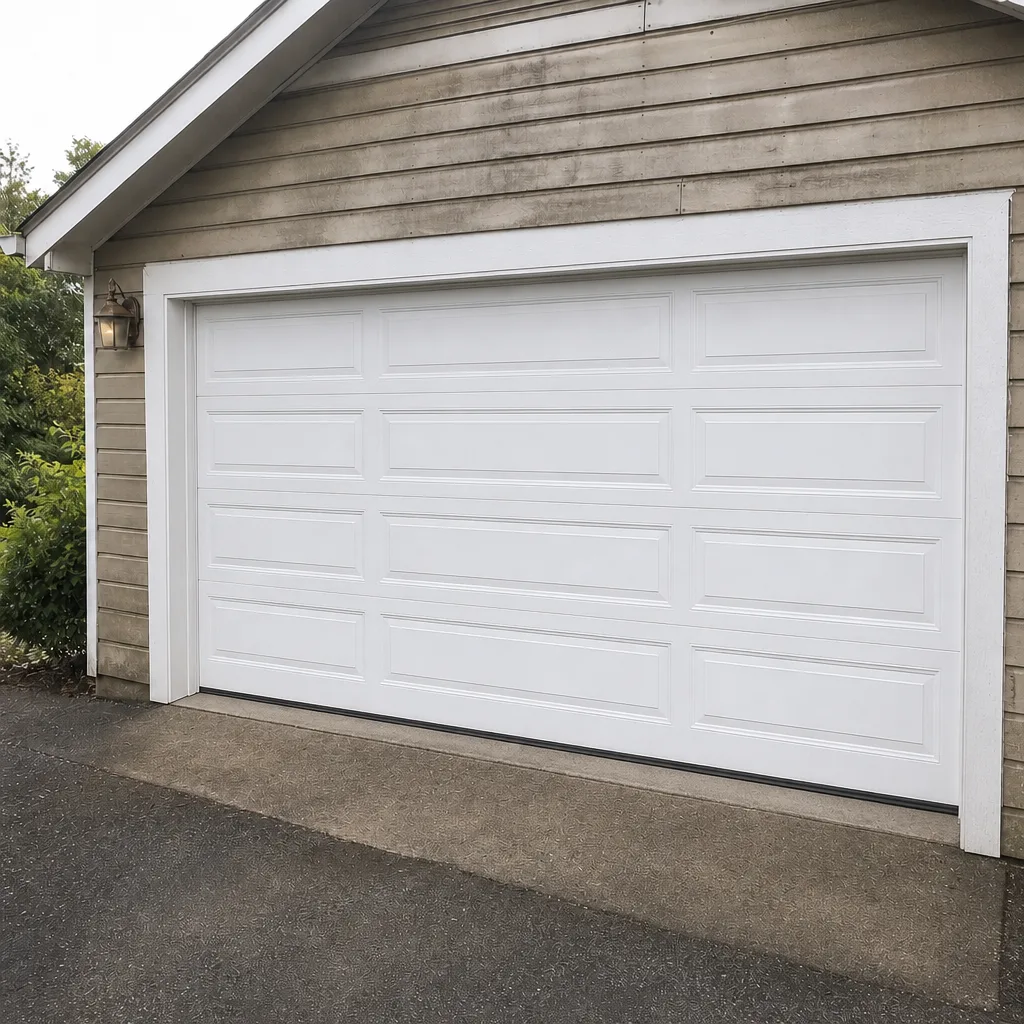
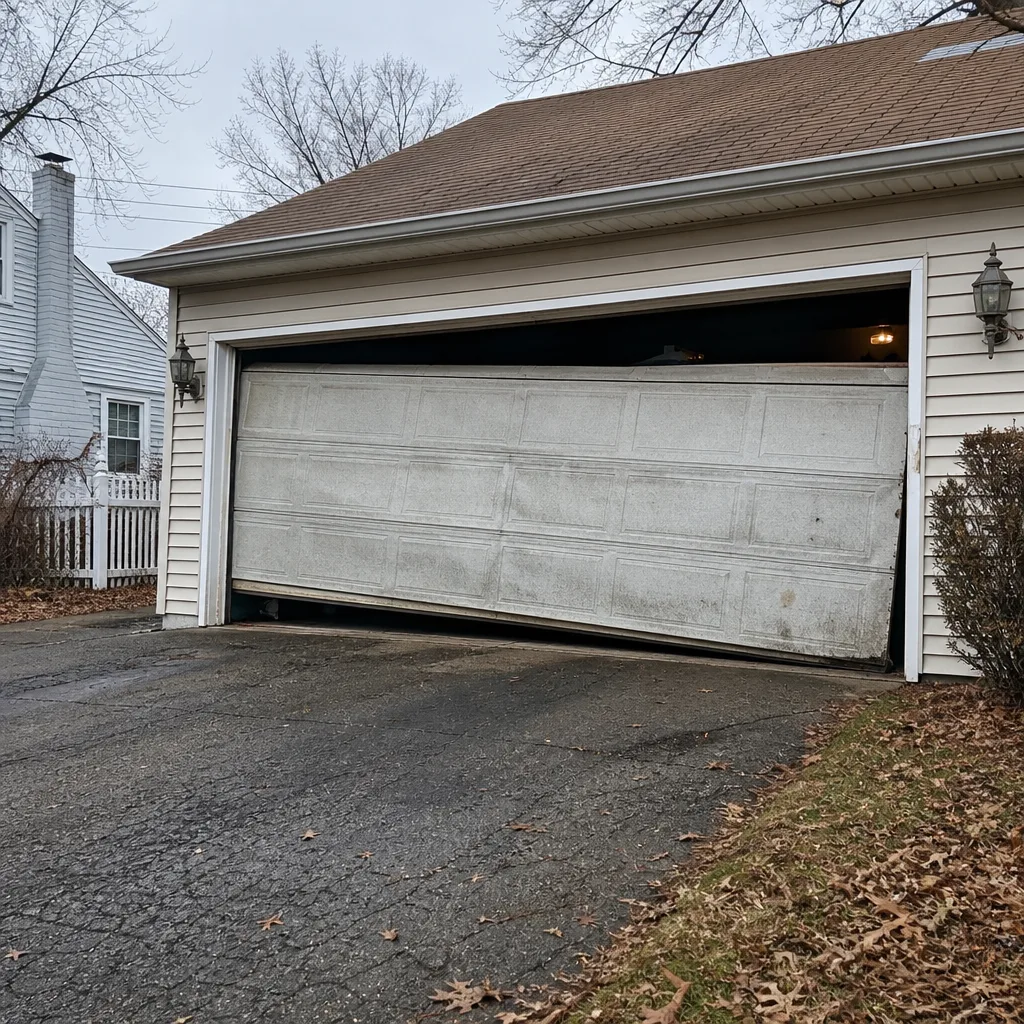
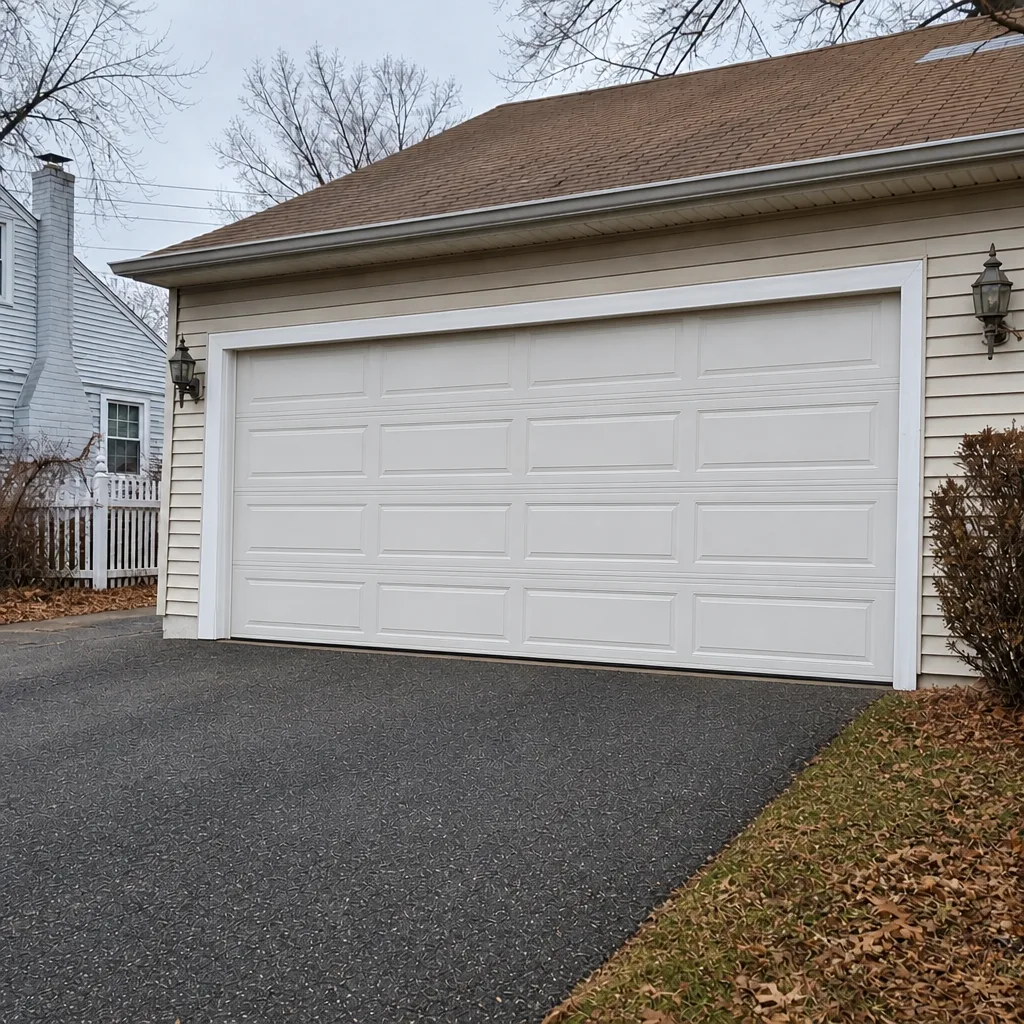
See the difference
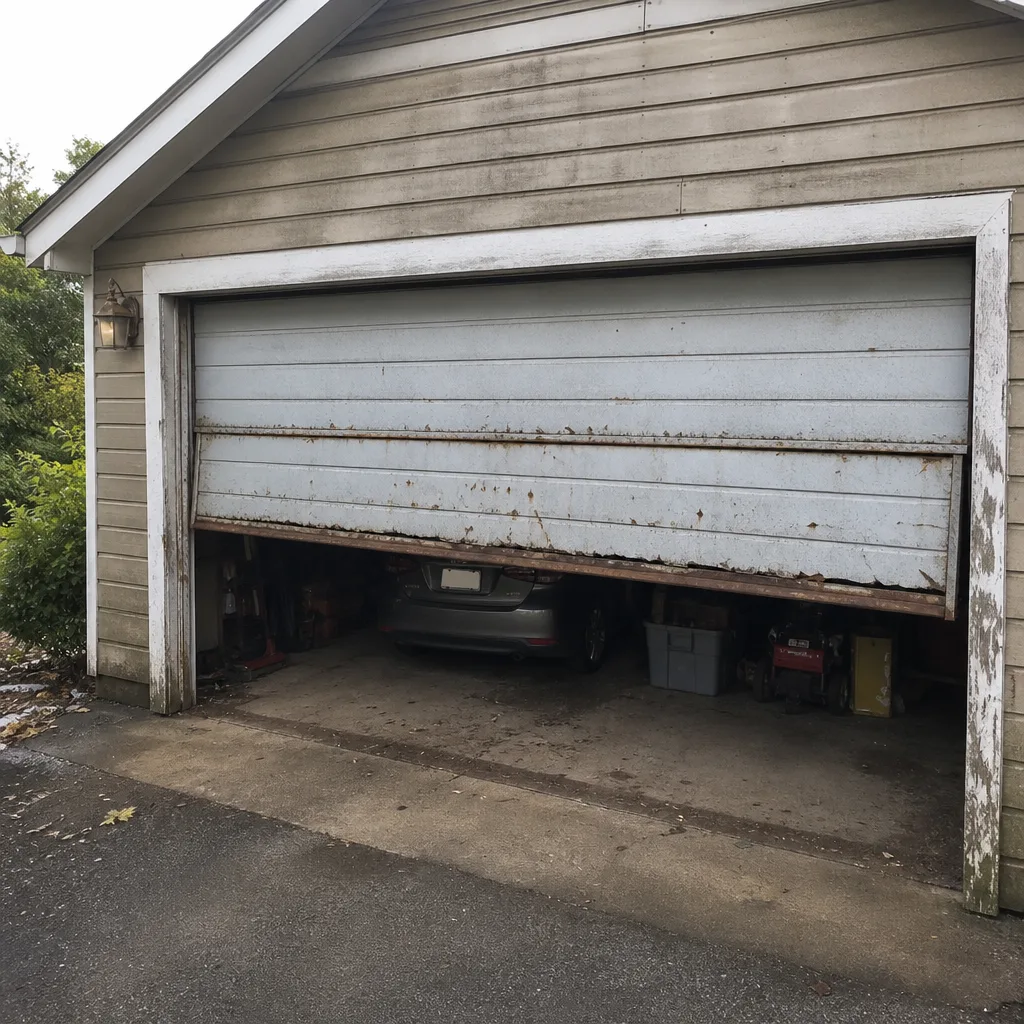 Before
 After
 Before
 After
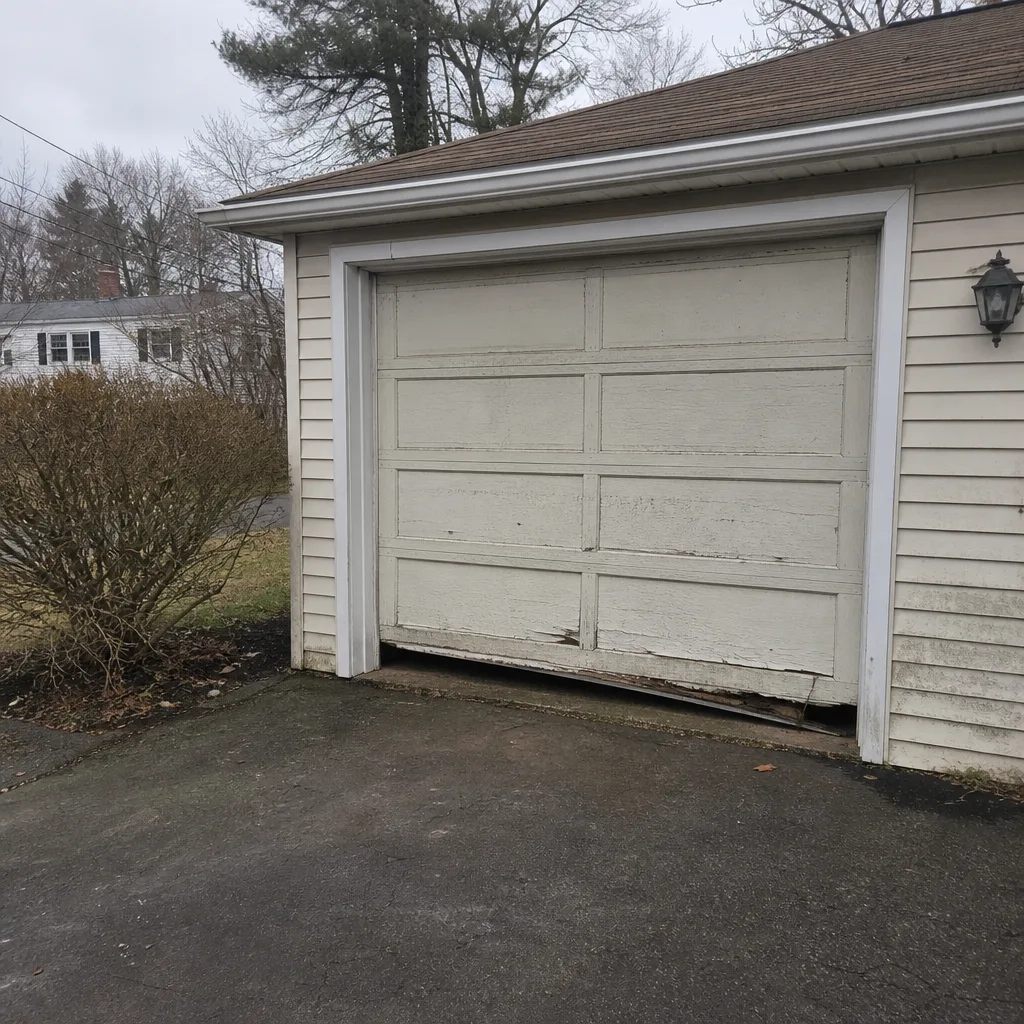 Before
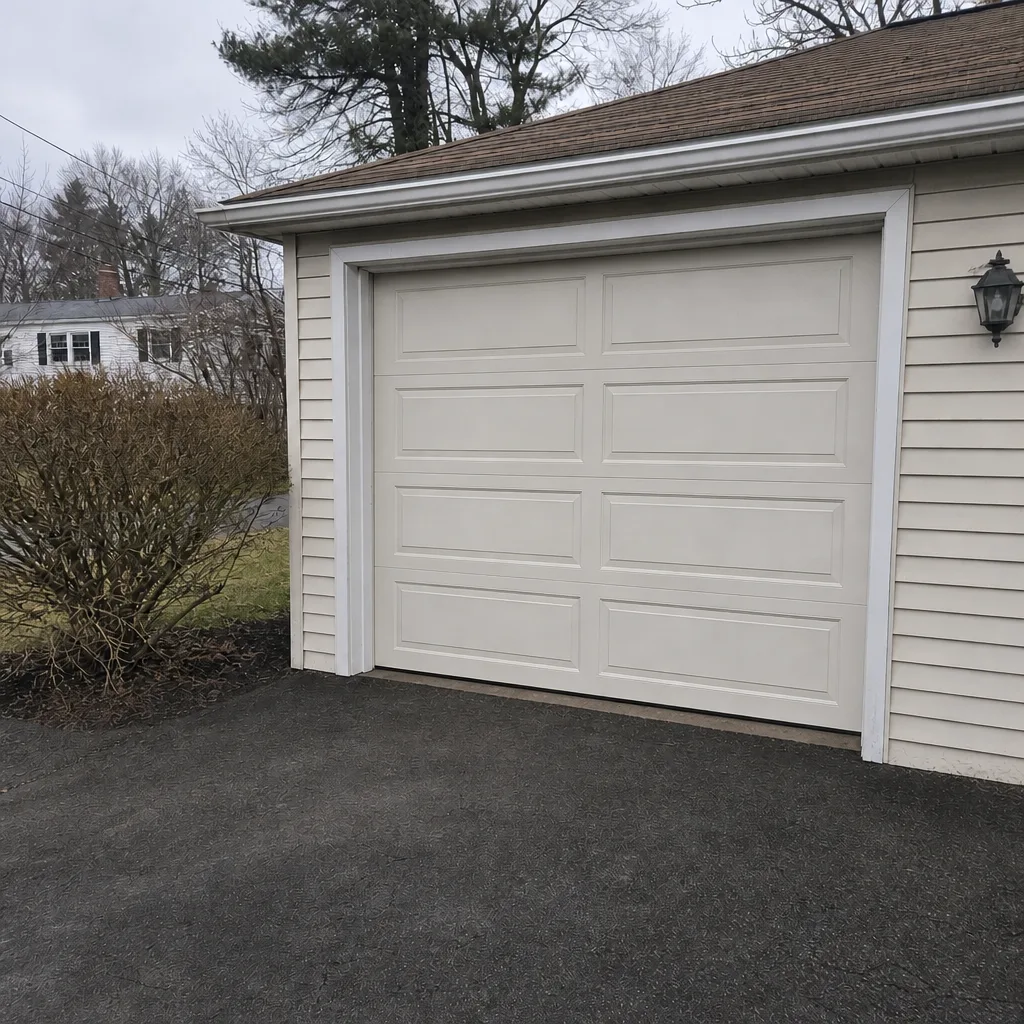 After
When to Call a Professional
Call a professional when the door won’t open or close, when it lifts heavy or slams, when the opener strains, when you hear grinding or popping from the tracks, or when a spring looks or sounds broken. Any of those points to a system that needs a trained technician, and some of them, especially springs, are genuinely dangerous to handle without one. Call us too if you’re planning a replacement: that’s a measure-and-schedule job, and a written quote arrives before any work starts. Preventive checks make sense once a year in this climate, whether or not anything feels wrong. Danbury Garage Door Repair Co offers free estimates in Danbury – call (844) 524-6649. We answer 24/7. Fast dispatch from 7am to 7pm, Sunday through Friday.
Frequently Asked Questions
Insulated steel is the best all-around choice for Danbury, because it handles the cold and holds paint well, and the insulation helps an attached garage. Fiberglass is the lowest-maintenance option, since it won’t rust or rot. Wood works best for homeowners willing to commit to regular sealing, given the freeze-thaw swings here.
Garage door repair in Danbury is priced per job by a free written estimate, and the final price is the estimate you agree to before work begins, not a surprise afterward. The cost depends on the part, the system, and the labor involved. Call (844) 524-6649 for an exact quote, because estimates are free.
Often, yes. Repair and spring work are urgent in Danbury, and same-day service is available. We answer 24/7. Fast dispatch from 7am to 7pm, Sunday through Friday, and a call outside dispatch hours is booked into the next opening. Replacement and installation are measured and scheduled, so call for a free measure and a written price.
No. The written estimate sets the final price, and it’s agreed before any work starts. Our technician diagnoses the actual system in front of them and quotes per job, and the price you approve is the price you pay. Call (844) 524-6649 for an exact quote; estimates are free.
Yes. The local pro who arrives is licensed and insured as Connecticut requires, so you’re covered for the work performed. Call (844) 524-6649 to schedule and confirm the details for your job.
Often yes, but the answer comes from the local authority. Ask your city’s building department before ordering any replacement in Danbury, because permitting attaches to the whole system, including framing and the opener’s safety features. That single call is the fastest way to avoid code surprises.
The Bottom Line
Generic garage door advice misfires in Danbury, because our freeze-thaw cycles, road-salt spray, and older-home proportions change the answers. Insulated steel and fiberglass hold up best over a ten-year horizon, and the higher-upfront, lower-upkeep choice usually wins here. Measure the opening before you choose a product, confirm permits with the city before you order, and repair a part when a part is the problem. Most of all, match the door and the installer to what actually works in Fairfield County, not to a national catalog.
Danbury Garage Door Repair Co handles repair, opener repair, spring repair, and installation across LiftMaster, Chamberlain, Genie, Clopay, Amarr, Wayne Dalton, Craftsman, and Raynor systems. Call (844) 524-6649 for a free estimate. We answer 24/7. Fast dispatch from 7am to 7pm, Sunday through Friday.
Written by the team at Danbury Garage Door Repair Co.