
Last updated November 21, 2026
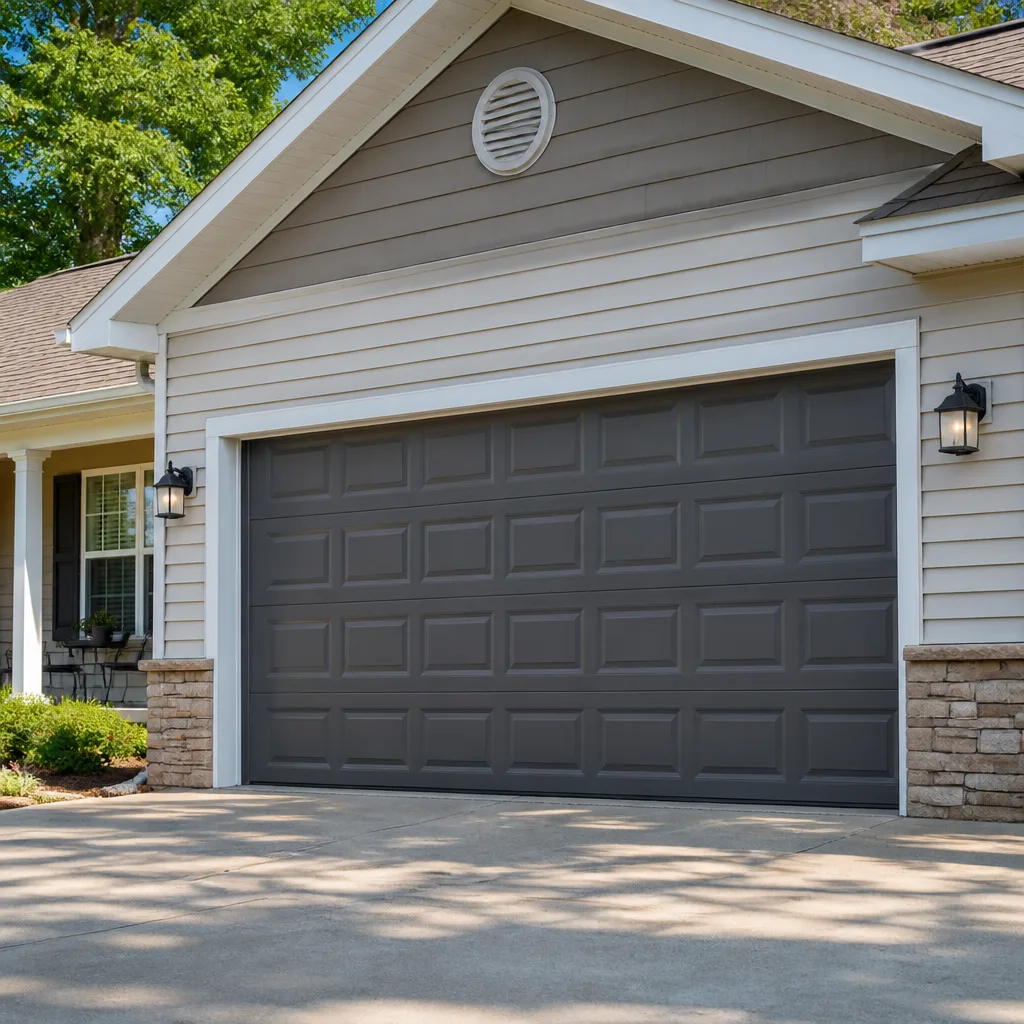 Raised-panel steel
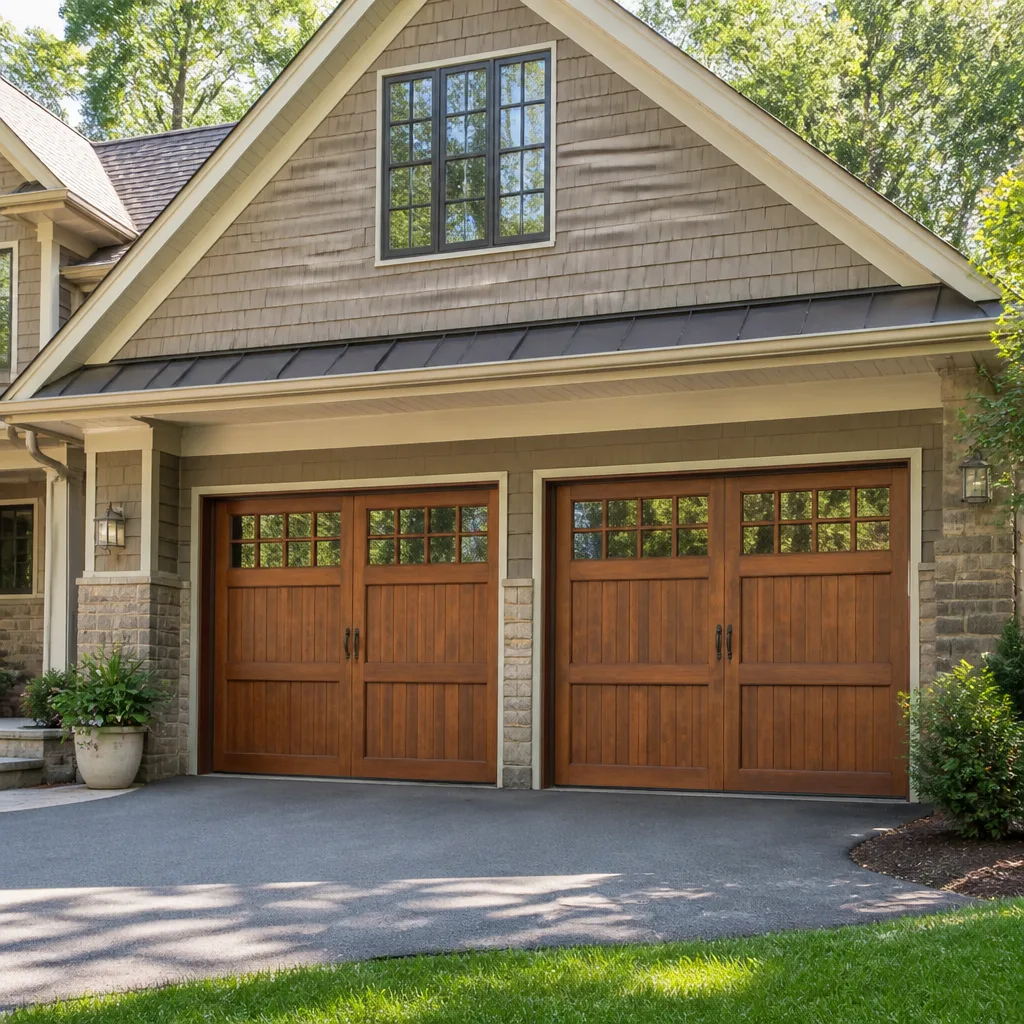 Carriage house
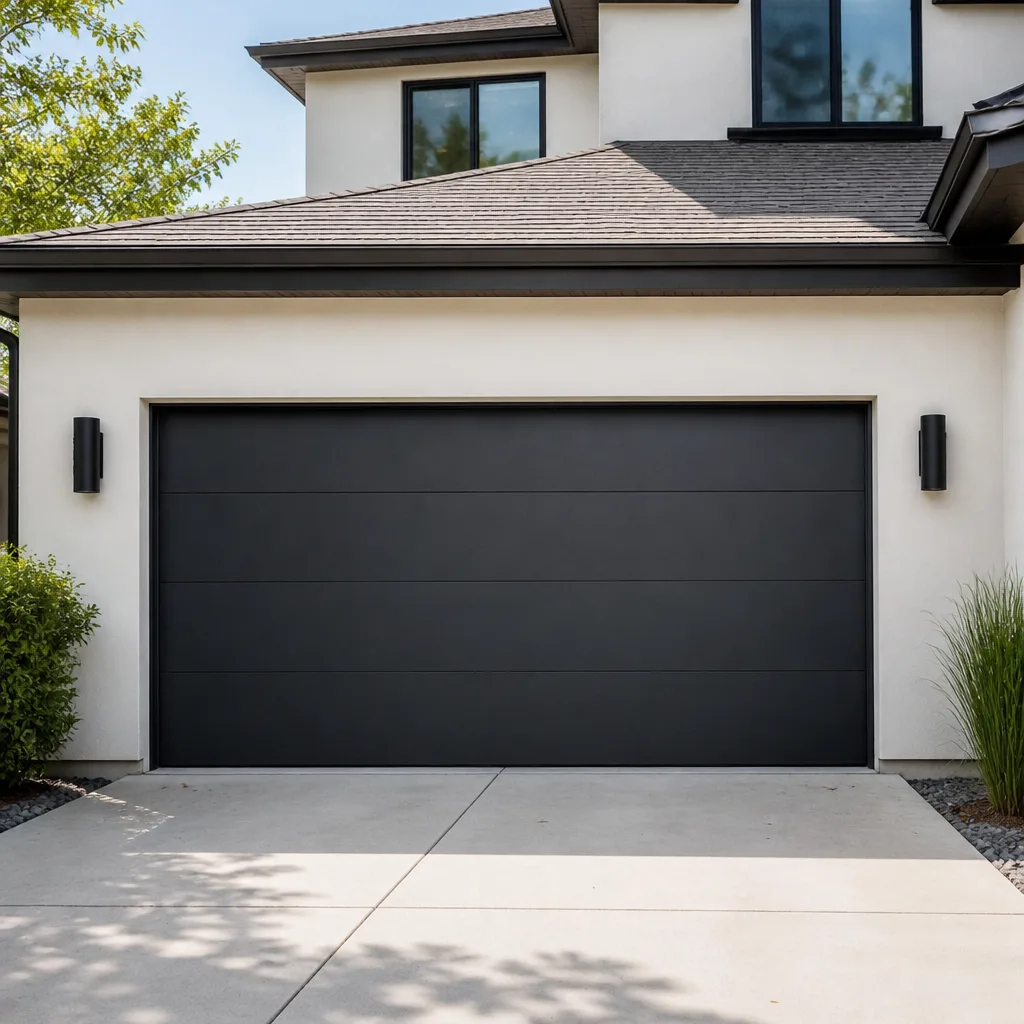 Modern flush
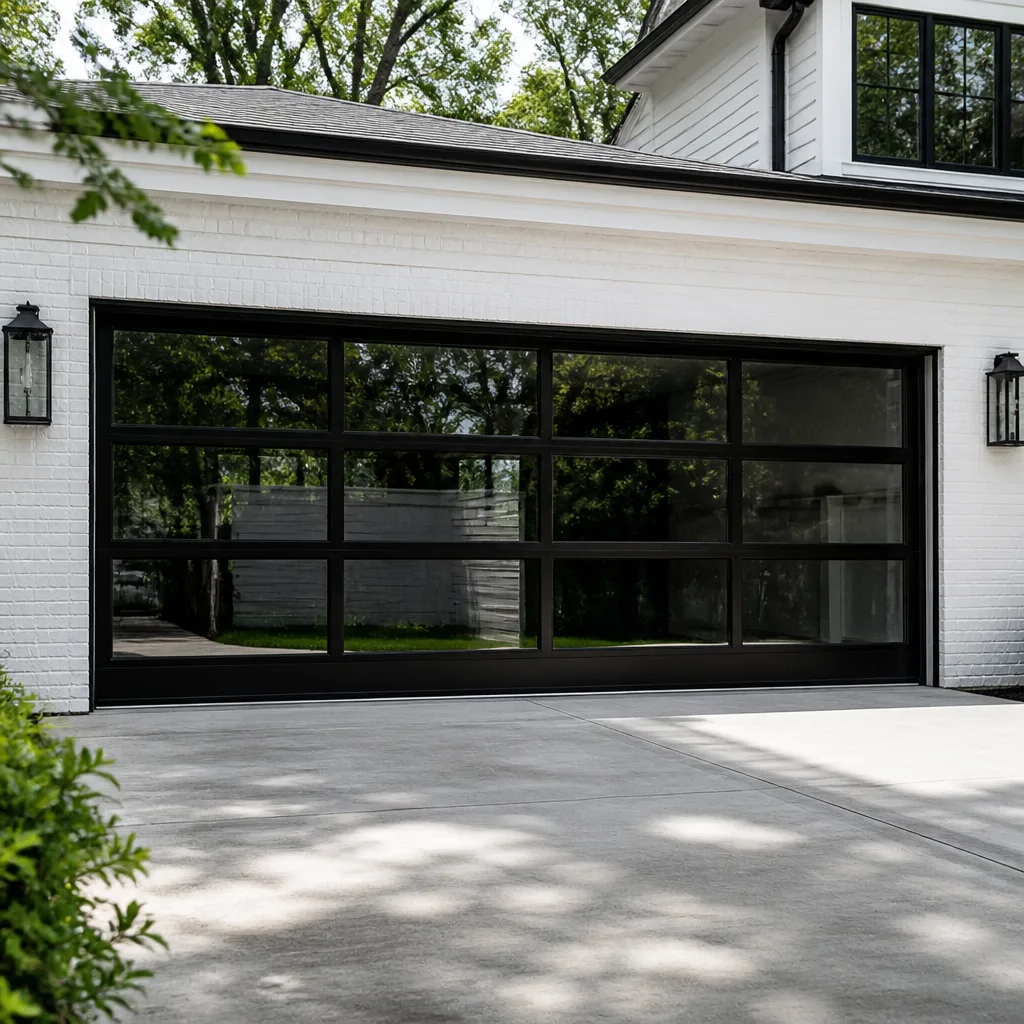 Full-view glass
 LiftMaster openers
 Chamberlain openers
Full 25-point door and opener safety check with every visit - springs, cables, rollers, tracks, and your LiftMaster or Chamberlain opener included
You get a price before we start. It does not change when the pro arrives.
Get your free estimateGarage Door Warning Signs: A Danbury Homeowner’s Reference Guide
A garage door doesn’t just break. It telegraphs the failure first, through sounds, speeds, and gaps that are easy to read once you know what each one means. Most homeowners have been trained to tune out door noise as background hum, so a worn roller that would’ve cost a quick adjustment turns into a snapped spring or a bound opener that blocks the car in the morning. This guide is a diagnostic key for Danbury homeowners: match the symptom you’re hearing or seeing to the component behind it and the urgency it deserves. We’ll cover sounds, visual cues, movement quirks, and the seasonal behavior that’s normal in western Connecticut cold, so you know what to watch and what to call about.
Quick Answer
The most common garage door warning signs are grinding, squealing, popping, or slapping sounds, a door that hangs unevenly or leaves a gap at the floor, jerky or one-sided movement, and an opener that strains or reverses. Squealing usually means dry or worn rollers and hinges, grinding points to a failing bearing or opener gear, and a loud pop followed by a door that won’t lift almost always means a broken torsion spring. Any sign tied to a spring, cable, or opener under resistance is a same-day call, not a wait-and-see.
Styles & brands we work with
- Raised-panel steel
- Carriage house
- Modern flush
- Full-view glass
- LiftMaster openers
- Chamberlain openers
Table of Contents
- What the Sound Is Telling You: A Symptom-to-Cause Key
- Visual Warning Signs: Gaps, Uneven Hang, and Panel Clues
- Speed and Movement Anomalies
- Signs That Are Always a Same-Day Call
- Danbury Seasonal Context: Normal Cold-Weather Behavior vs. Real Failure
- Opener Warning Signs Specific to LiftMaster, Chamberlain, and Genie Systems
- What Routine Checks Actually Prevent
What the Sound Is Telling You: A Symptom-to-Cause Key
Garage door noise isn’t random. Each sound comes from a specific moving part, and the part tells you how urgent the problem is. Here’s the diagnostic key we use when a Danbury homeowner describes a noise on the phone:
| Sound | Likely Component | Urgency |
|---|---|---|
| Squealing or high-pitched whine | Dry rollers, hinges, or torsion tube bearings | Low: lubricate, then inspect |
| Grinding or metal-on-metal rasp | Failing roller bearing or opener drive gear | Medium: schedule repair soon |
| Loud pop or bang, door stops lifting | Broken torsion or extension spring | High: same-day call |
| Slapping or rattling on travel | Loose panels, worn rollers, or a misaligned track | Medium: inspect for track damage |
| Buzzing at the opener with no movement | Stripped opener gear or dead motor capacitor | Medium: opener diagnosis |
Squealing is the most forgiving sign. It usually means rollers have lost their lubrication or a hinge is dry. A quick lube quieting the door tells you the parts were the issue, but if the squeal survives lubrication, a roller bearing or hinge is worn and needs replacing. Grinding is more serious: metal is grinding against metal, and either a roller bearing has seized or the opener’s internal gear is chewing itself down. Slapping often points to loose hardware or a track that’s been nudged out of alignment, which happens after a car bumper taps a rail or a heavy door slams on a misadjusted limit. Catching any of these early keeps the repair at the adjustment stage. Call (844) 524-6649 for a free estimate. We answer 24/7. Fast dispatch from 7am to 7pm, Sunday through Friday.
Visual Warning Signs: Gaps, Uneven Hang, and Panel Clues
Walk out to the door with the garage light on and look at it from inside, straight on. What you’re checking for is symmetry and alignment. A door in good order sits flush against the floor, hangs level across its width, and shows even panel lines. Here’s what the deviations mean:
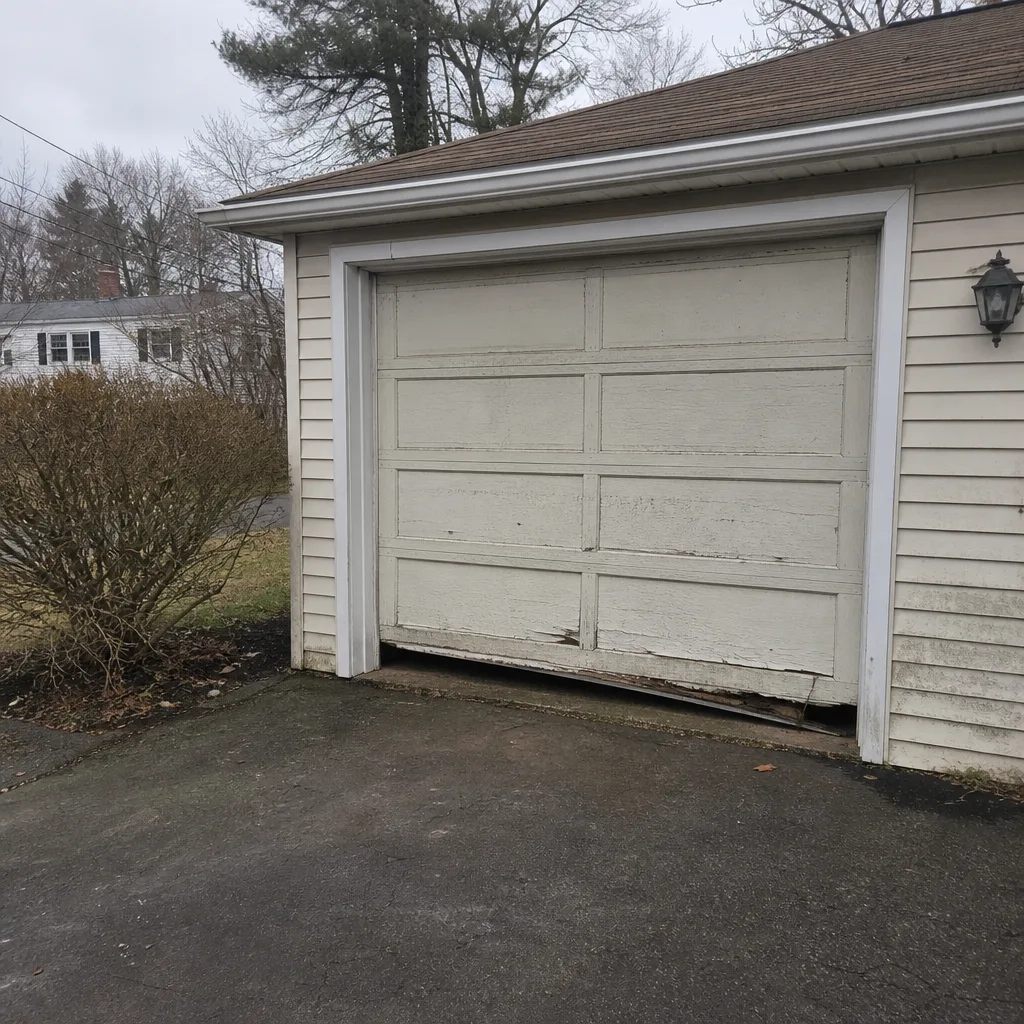
- Gap at one bottom corner: a track off its mount, a bent bottom bracket, or a floor that’s settled. Common in older Danbury homes with poured slabs that shift with freeze and thaw.
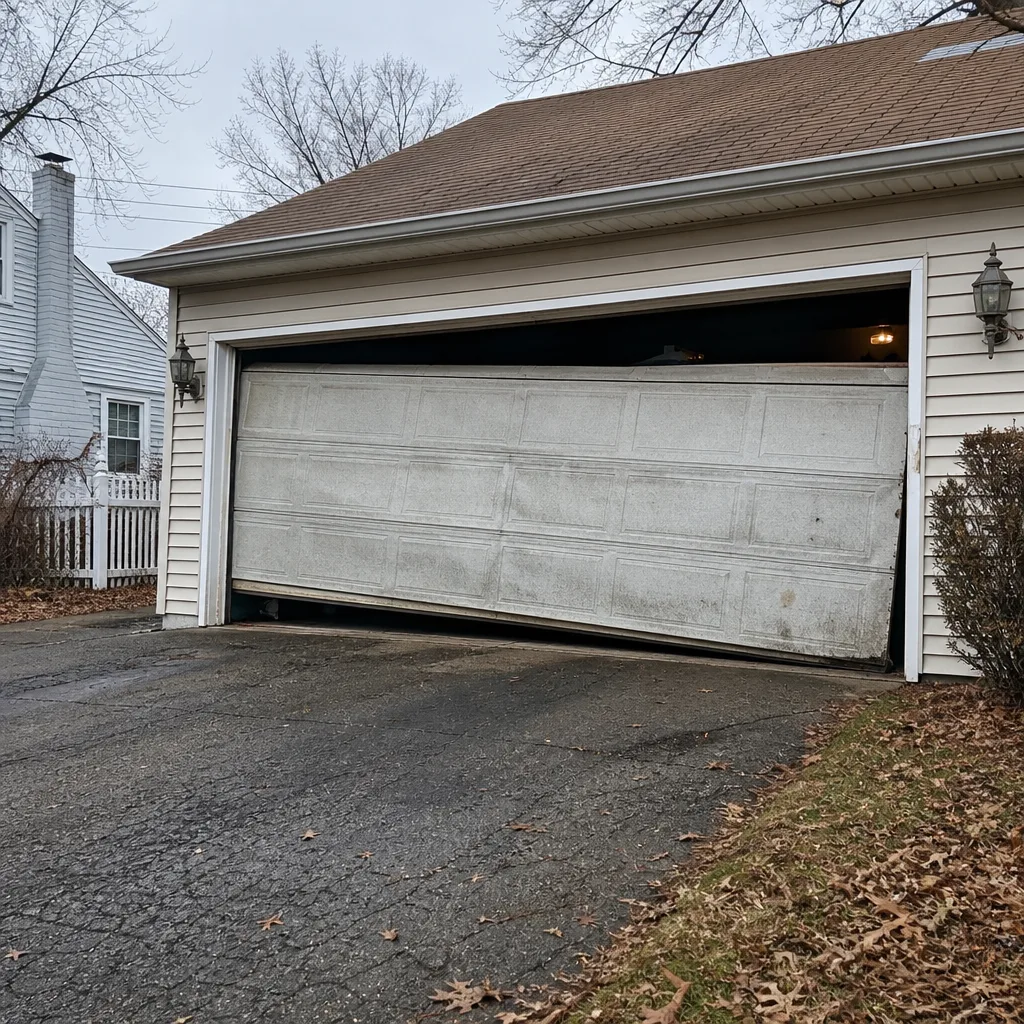
- Door looks tilted when closed: unequal spring tension on a torsion system, or one extension spring that’s stretched further than the other. This is a spring issue and worth a same-day look.
- Panel buckling or bowing: usually from an impact or from a door that’s been run against a jammed track. Buckled panels stress the rest of the assembly and can bind a roller.
- Rust trails or staining on rollers and hinges: moisture working on unprotected steel. Inland Danbury winters with salt on the roads bring that moisture into the garage on the car.
- Frayed cable strands near a drum: a cable is at the end of its life. A frayed cable can snap without warning and is a genuine safety concern.
- Bent track: a localized kink that a roller rides over, causing a hitch or thump on travel.
Panels are also where brand matters. A Clopay or Amarr door has different panel profiles and stamped reinforcement than a Wayne Dalton, so a buckled panel is often replaced or straightened with the original manufacturer’s parts rather than a generic patch. If you’ve noticed a gap, a tilt, or cable fraying, our garage door repair service starts with an inspection that maps each visual sign to its cause before any work is quoted. The written estimate sets the price, and you approve it before we start.
Speed and Movement Anomalies
A door that moves differently than it used to is telling you something even when it still opens. Three movement patterns matter most.
- Slower on one side. The door rises or falls with a visible lag on one edge. That’s unequal spring tension or a binding roller on that side, and it puts a twisting load on the panels and the opener’s rail.
- Jerky on descent. The door stutters or shudders coming down. Usually a worn roller, a dry hinge, or a track that’s out of plumb. Left alone, the shudder works panels loose.
- Slow to respond to the opener. You press the remote and there’s a delay, or nothing happens until the second or third press. That’s the opener, not the door: a failing capacitor, a worn drive gear, or a safety sensor out of alignment.
Movement anomalies are the ones people rationalize away the longest, because the door still works. That’s the trap. A lagging side or a jerky descent keeps loading the spring and the opener every cycle, and the eventual repair is bigger than the adjustment would have been. If your door’s motion has changed, our garage door opener repair covers the opener side of the diagnosis, and a technician can tell you whether the motor is straining because the door is binding or whether the opener itself is failing.
Signs That Are Always a Same-Day Call
Some warning signs are safe to watch for a few days. Others are not. These are the ones we tell Danbury homeowners to stop using the door on and call about right away:
- Loud pop, then a door that won’t lift. That’s a broken spring. With a torsion spring, the door can weigh hundreds of pounds and the opener alone can’t safely lift it.
- Frayed or snapped cable. A cable under tension that lets go can whip with force. Don’t operate the door and don’t try to untangle it.
- Door hanging unevenly with the opener straining. The motor is fighting a load it was never meant to carry, and the strain usually ends in a stripped gear or a burned-out unit.
- Rollers out of the track or a door that’s come off its track. A door can drop when rollers leave the rails. Keep people and cars clear and call.
- Snapped extension spring on a side-mount system. The door will be dead weight on one side and can twist as it moves.
Springs and cables are the dangerous half of garage door work. A torsion spring under load stores a lot of energy, and the winding bars and technique involved aren’t a homeowner project. We keep spring work as a dedicated service for exactly that reason: our garage door spring repair is done by technicians who’ve handled these systems, and our technicians have up to 15 years of experience. If your door has thrown a pop or a cable’s gone, call (844) 524-6649. We answer 24/7. Fast dispatch from 7am to 7pm, Sunday through Friday.
Danbury Seasonal Context: Normal Cold-Weather Behavior vs. Real Failure
Danbury winters are hard on garage doors, and the same symptom can mean two very different things depending on the season. Knowing the difference keeps you from panicking over normal cold-weather behavior, and from ignoring a real failure because you assumed it was the weather. The temperature swings this part of Connecticut gets, cold snaps followed by thaws, are the main driver of seasonal door behavior.
Normal cold-weather behavior:
- A door that moves a little slower on a cold morning. Steel contracts, lubricant thickens, and rollers drag until the garage warms up.
- A stiff keypad or remote that needs a firmer press. Cold batteries lose output and recover when they warm.
- A faint creak that fades once the door has cycled a couple of times.
Genuine failure signals that the cold exposes:
- A pop you hear once, after which the door won’t lift. That’s a spring that failed at a cold-weather stress point, not a thermometer quirk.
- Squealing that persists even after the door has warmed. The lubricant didn’t fix it, so a part is worn.
- A door that’s slower on one side specifically on cold mornings, because the cold is stressing a failing spring or binding roller every cycle.
- Rust and stiff hinges that appear every spring after winter moisture and road salt have had their run at the hardware.
Spring tension also changes with temperature. A door that balanced fine in October can feel noticeably heavier in a January cold snap, and that extra load is what pushes a worn spring or a tired opener over the edge. If you’re hearing sounds you didn’t hear in the fall, that’s the seasonal cue to have it checked. The written estimate tells you what the door needs, and you approve it before any work begins.
Opener Warning Signs Specific to LiftMaster, Chamberlain, and Genie Systems
Openers have their own warning language, and the brand shapes which symptom shows up. We work on LiftMaster, Chamberlain, Genie, Clopay, Amarr, Wayne Dalton, Craftsman, and Raynor systems, so the opener in your garage is one we diagnose directly rather than route to a brand-specific shop.
- Buzzing with no movement: on a chain-drive LiftMaster or Chamberlain, this often points to a worn drive gear or a failing capacitor. On a Genie screw-drive, it can be a stripped gear at the motor.
- The door reverses on its own: safety sensors misaligned or a travel limit that’s drifted. Usually a sensor issue, not a motor failure.
- The opener strains and stops: the door is binding, and the opener’s force adjustment is hitting its limit. This is often a door problem showing up through the opener.
- Remote and wall button behave differently: a signal or wiring issue rather than the motor.
- Clicking without travel: a relay or logic board problem on a belt-drive unit.
Here’s the useful distinction: an opener that strains is usually telling you the door needs attention, while an opener that buzzes, clicks, or reverses on its own is the problem itself. Our technicians read that difference before recommending a repair, so an opener that’s actually fine doesn’t get replaced. If your opener’s behavior has changed, that’s a fair point to call. One call covers it all, from the opener diagnosis to any door-side work the inspection turns up.
What Routine Checks Actually Prevent
Warning signs are easier to read when you look for them on a routine, before something breaks. A short walk-around every few months catches most problems at the cheap end. This is what you can safely check yourself:
- Listen on the way up and down. New sounds are the earliest signal you’ll get.
- Look at the door from inside, closed. Check for gaps at the corners, a tilt, or a bowed panel.
- Look at the springs and cables without touching them. A visibly separated spring coil or a frayed cable strand is a call, not a look-and-see.
- Test the balance by hand only with the door at waist height and the opener disengaged. If it drifts down or up on its own, the springs need attention. Never test spring balance with the door fully open or by winding anything yourself.
- Clear the safety sensors and check the photo-eye line. Misalignment causes more false reversals than any motor fault.
- Wipe down the hardware and note rust or stiffness. A little lubrication on the right parts goes a long way, but keep it off the tracks themselves.
What routine checks prevent is compound damage: the worn roller that seizes and binds the track, the dry hinge that works a panel loose, the strained opener that strips a gear. None of these are one-part repairs once they snowball. Our team handles the whole lifecycle of a door system, from a tune-up to full garage door repair to new installation when panels or hardware are past saving. If you want a professional set of eyes on your Danbury door, the estimate is free.
Common Mistakes to Avoid
- Ignoring a new noise because the door still works. Working now isn’t the same as working safely. A squeal or grind you can’t fix with lubrication is a warning, not a quirk.
- Trying to fix a spring or cable yourself. Torsion springs and cables store serious force. This is the one part of a garage door that should always go to a trained technician.
- Oiling the tracks. Lubricant on the tracks collects grit and causes the rollers to slip and bind. Rollers, hinges, and springs are where lubrication belongs; tracks should stay clean and dry.
- Assuming cold-weather stiffness means a failing door. Some morning sluggishness is normal in Danbury winters. The test is whether it fades as the door warms or persists.
- Running the opener against a binding door. Every cycle the motor strains, it wears its gear a little faster and risks a bigger opener repair.
- Trimming or taping over a safety sensor to stop false reversals. Fixing the symptom breaks the safety feature. Realign the sensor or have it checked.
- Waiting for one warm weekend to inspect. A gap at the bottom corner is a five-minute look and a useful early signal; catching it now beats catching a dropped door later.
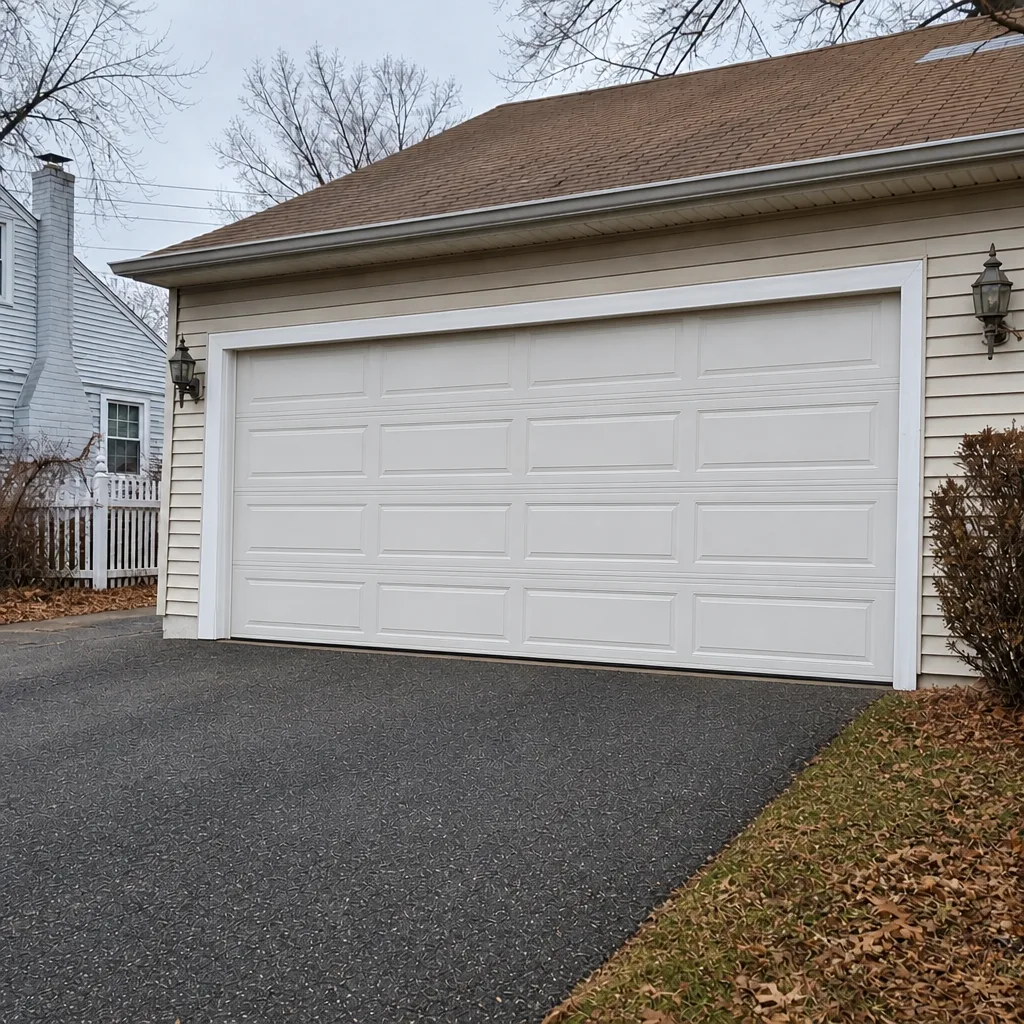
See the difference
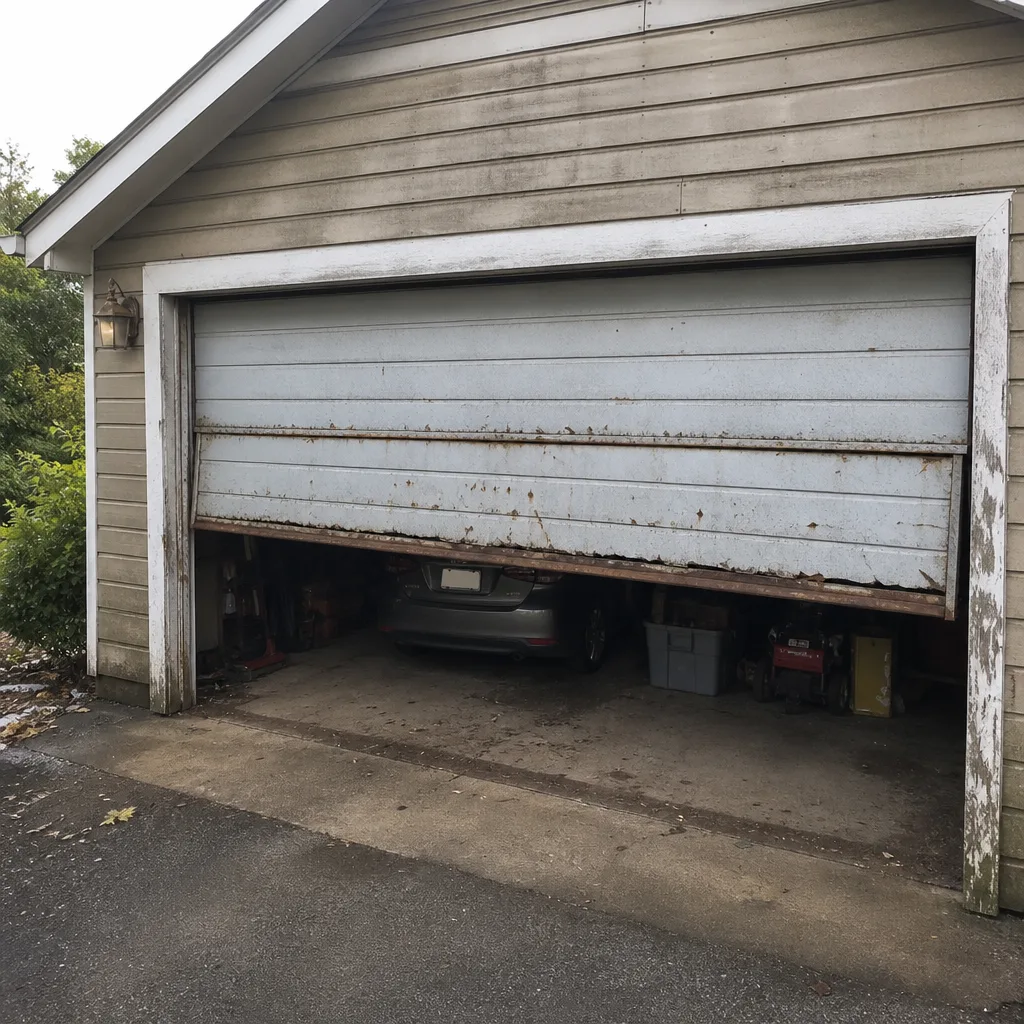 Before
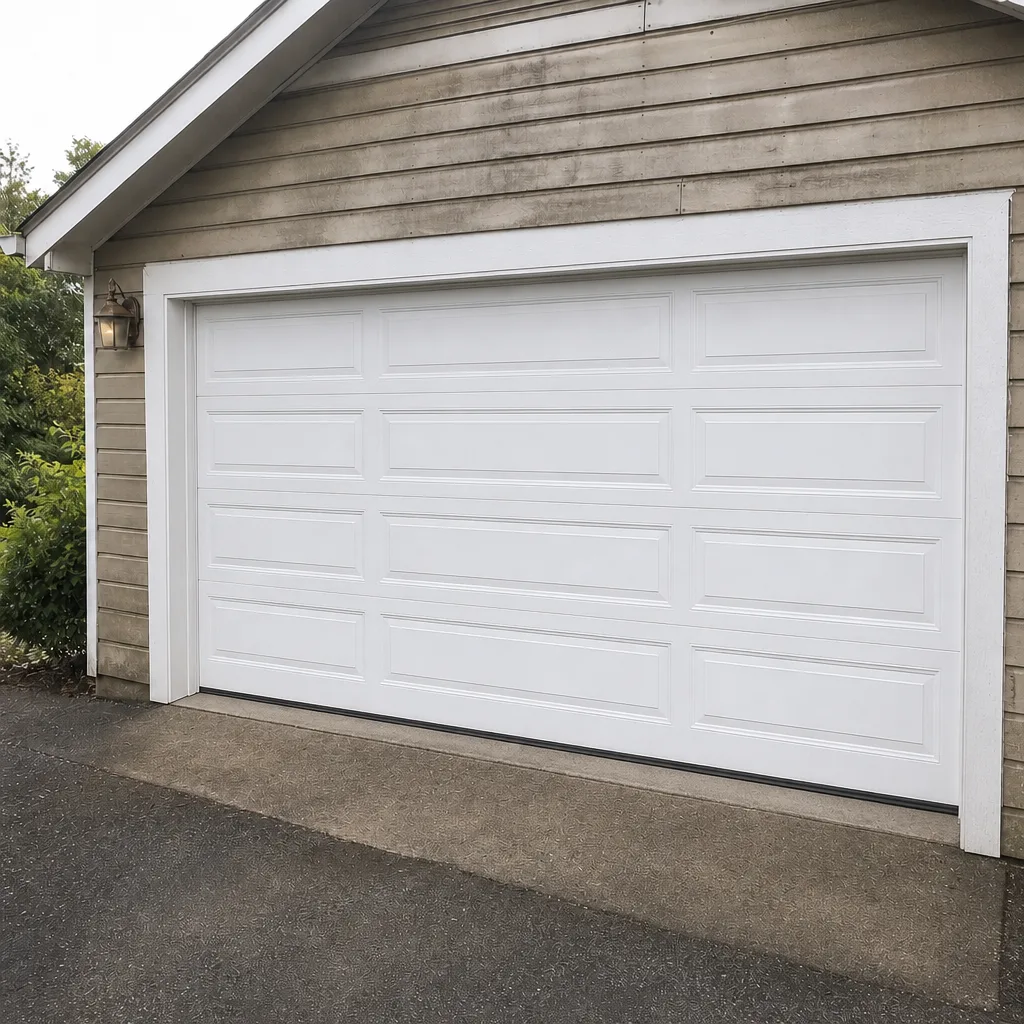 After
 Before
 After
 Before
 After
When to Call a Professional
Call a professional when the sign involves a spring, a cable, or an opener straining against resistance, and don’t run the door in the meantime. Also call if you’re hearing a grinding or popping sound that didn’t go away after lubrication, if the door hangs unevenly or leaves a gap you can’t account for, or if you’ve seen frayed cable strands or a bowed panel. These aren’t cosmetic, and they tend to escalate. A technician can read the symptom against the whole system and tell you what’s actually wrong before quoting. Danbury Garage Door Repair Co offers free estimates in Danbury. Call (844) 524-6649. We answer 24/7. Fast dispatch from 7am to 7pm, Sunday through Friday. The price is quoted and agreed before any work starts, so the written estimate is the number you’re working with.
Frequently Asked Questions
A new or changing sound is usually the first sign, followed by a change in how the door moves. Squealing that persists after lubrication, a grinding rasp, or a door that’s slower on one side all point to a specific worn part. Call (844) 524-6649 for an exact quote, estimates are free.
Typical garage door repair in Danbury runs based on the specific part and labor involved, set per job by a written estimate, with spring repair priced for the number of springs replaced. Because one spring or a matched pair can be involved, the estimate you get should spell out which. Call (844) 524-6649 for an exact quote, estimates are free.
Yes for urgent repair and emergency calls, including a broken spring or a door that won’t lift. We answer 24/7, and fast dispatch runs from 7am to 7pm, Sunday through Friday. Call (844) 524-6649 and we’ll get you on the schedule.
No. The price is quoted and agreed before any work starts, and the written estimate sets the final price. If the inspection turns up something the estimate didn’t account for, we’ll tell you before doing anything. Call (844) 524-6649 for an exact quote, estimates are free.
The local pro we connect you with is licensed and insured as their state requires. Our technicians have up to 15 years of experience, and spring work is handled by technicians trained on these systems. Call (844) 524-6649 to book an estimate.
Sometimes it’s normal and sometimes it isn’t. A faint creak that fades as the door warms and the cold lubricant loosens up is expected in Connecticut winters. A squeal that stays loud after a few cycles, or one that’s joined by grinding, points to a worn roller or hinge. Call (844) 524-6649 for an exact quote, estimates are free.
The Bottom Line
The useful habit is to stop treating door noise as background and start reading it. Squealing means lubrication or worn rollers, grinding means a failing bearing or gear, a pop followed by a dead lift means a broken spring, and a gap or a tilt means alignment or tension. Signs involving springs, cables, or a straining opener are same-day calls, full stop. The rest are worth a scheduled look before they grow. Danbury’s cold-season swings make some of this seasonal, so distinguish the door that’s sluggish on a cold morning from the one whose symptoms don’t fade. Our technicians have up to 15 years of experience and work across the brands in your garage, so the door you already own is one we can diagnose and fix. If a sign has you second-guessing, a free estimate settles it. Call (844) 524-6649. We answer 24/7. Fast dispatch from 7am to 7pm, Sunday through Friday. You can also reach us through Danbury Garage Door Repair Co for repair, opener work, spring repair, and new installation.
Written by the team at Danbury Garage Door Repair Co.