
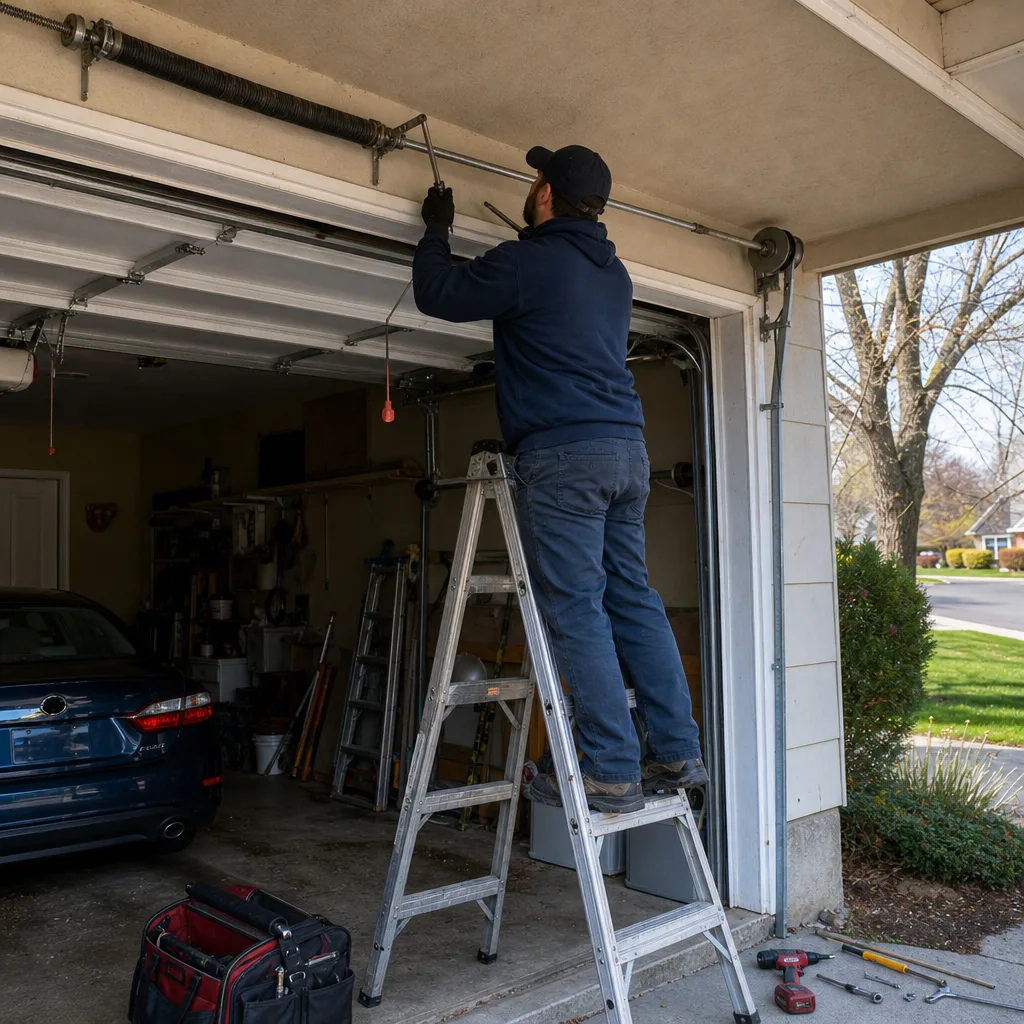
Last updated November 21, 2026
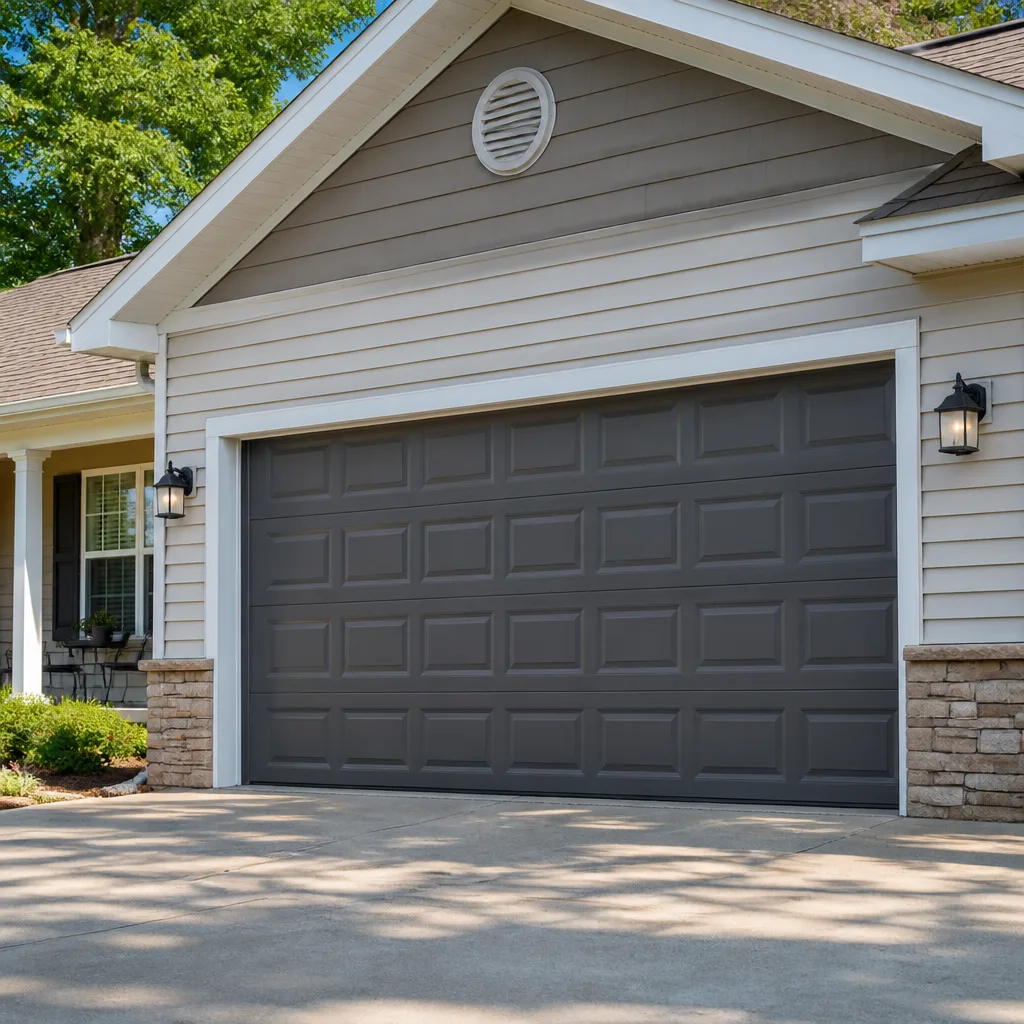 Raised-panel steel
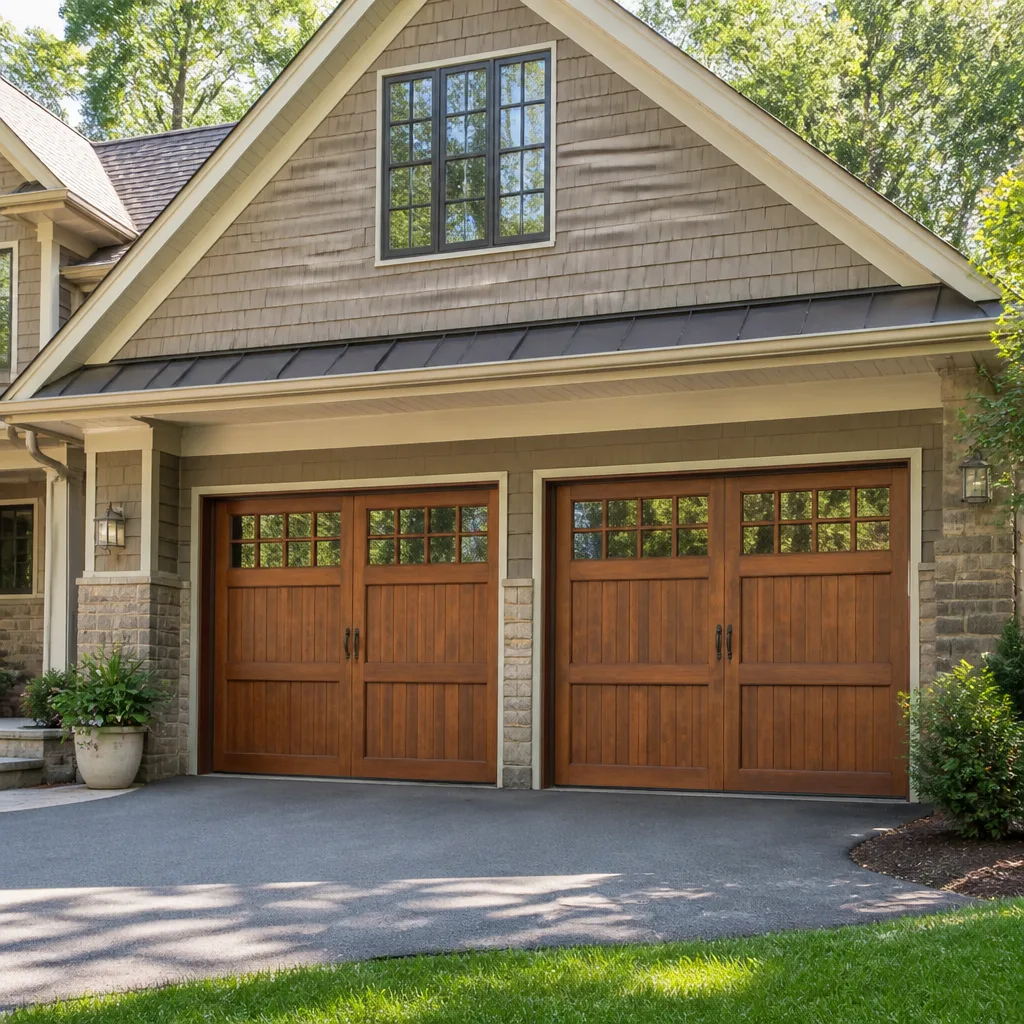 Carriage house
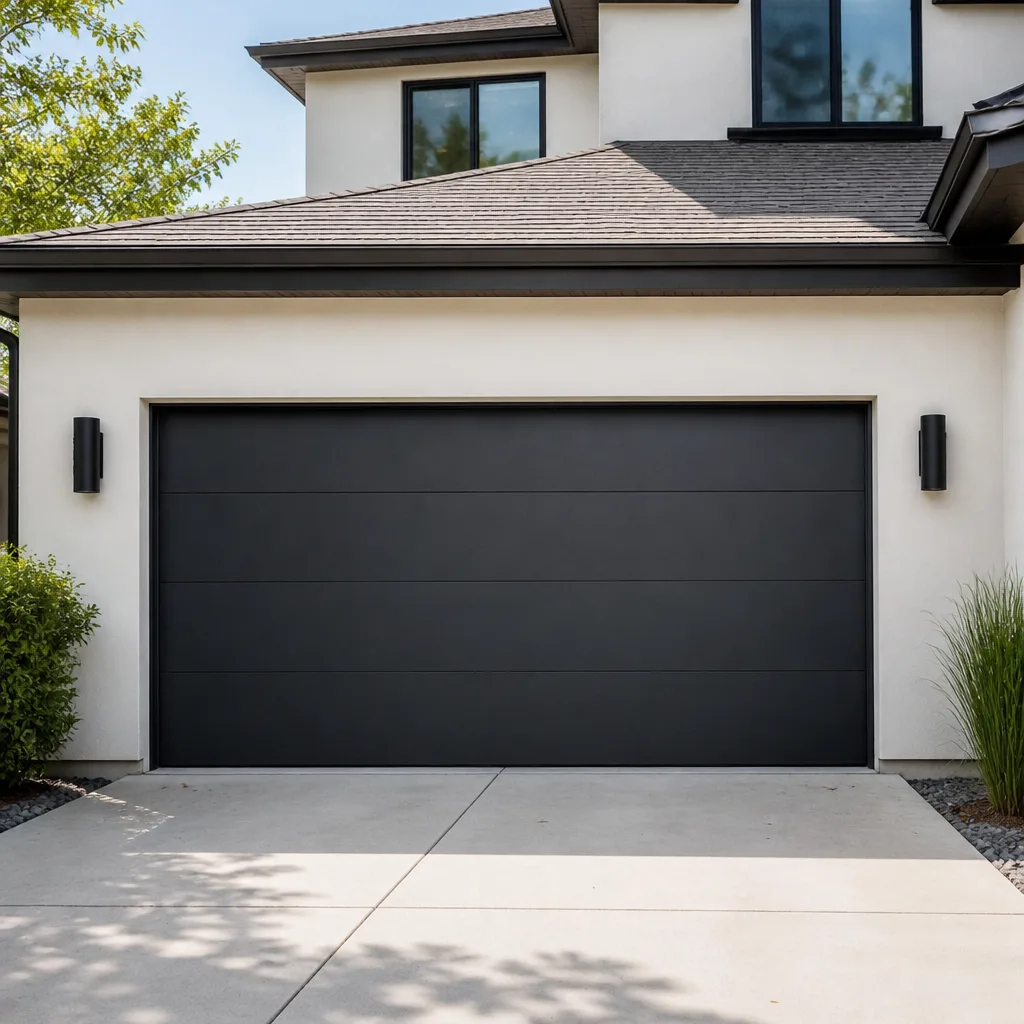 Modern flush
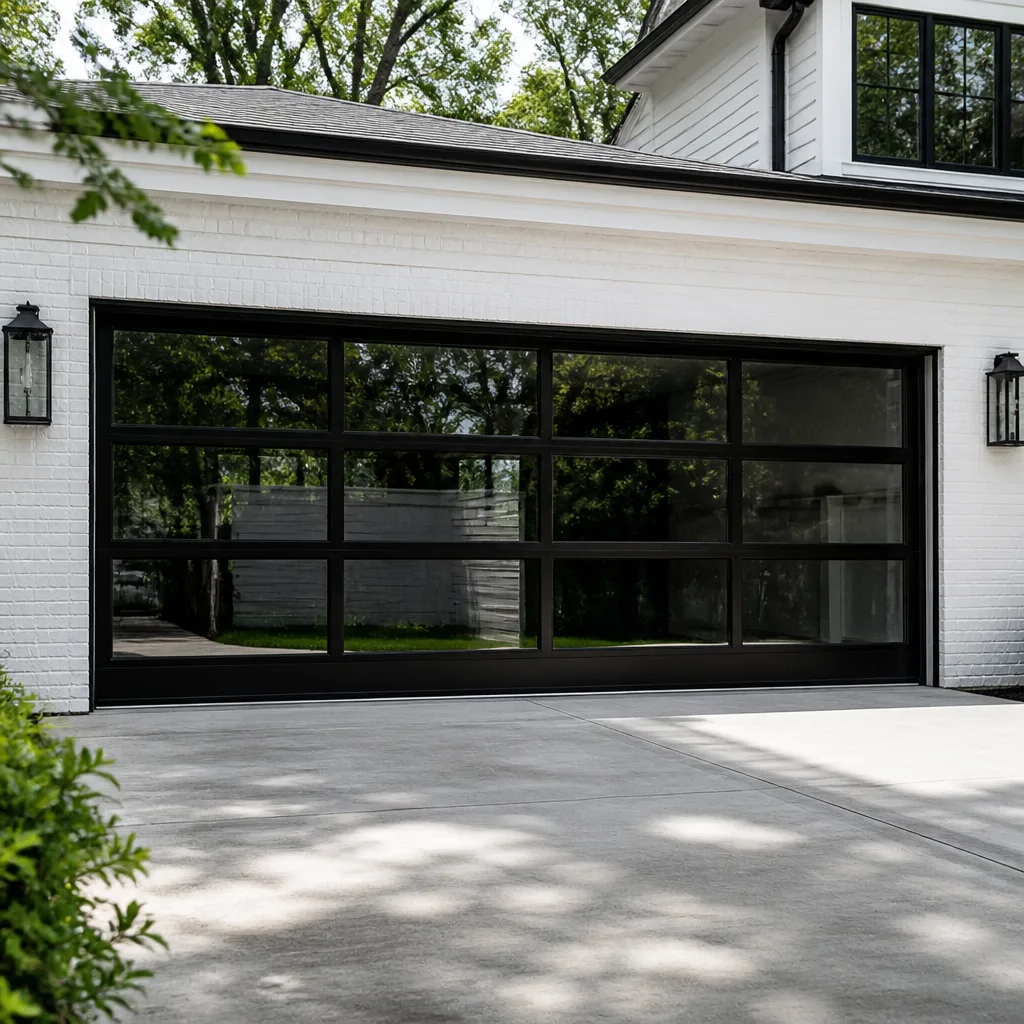 Full-view glass
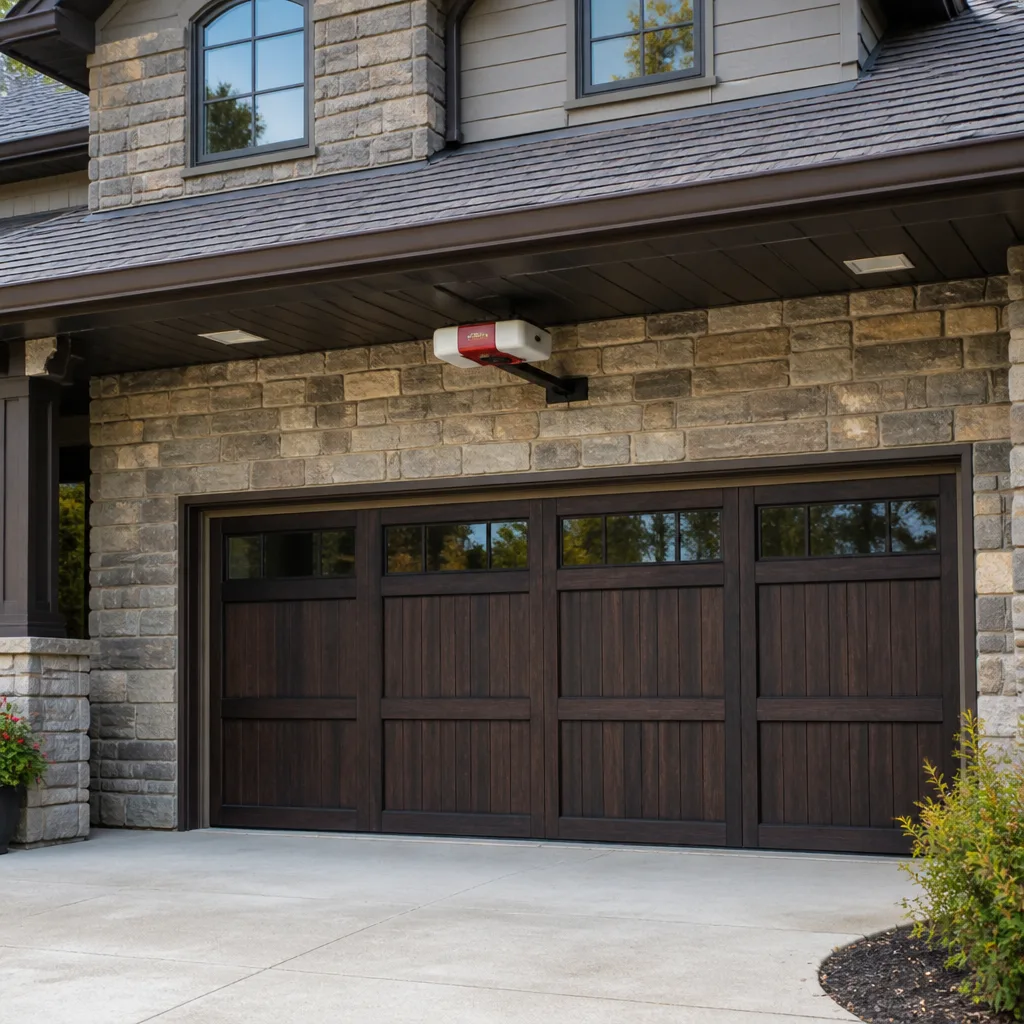 LiftMaster openers
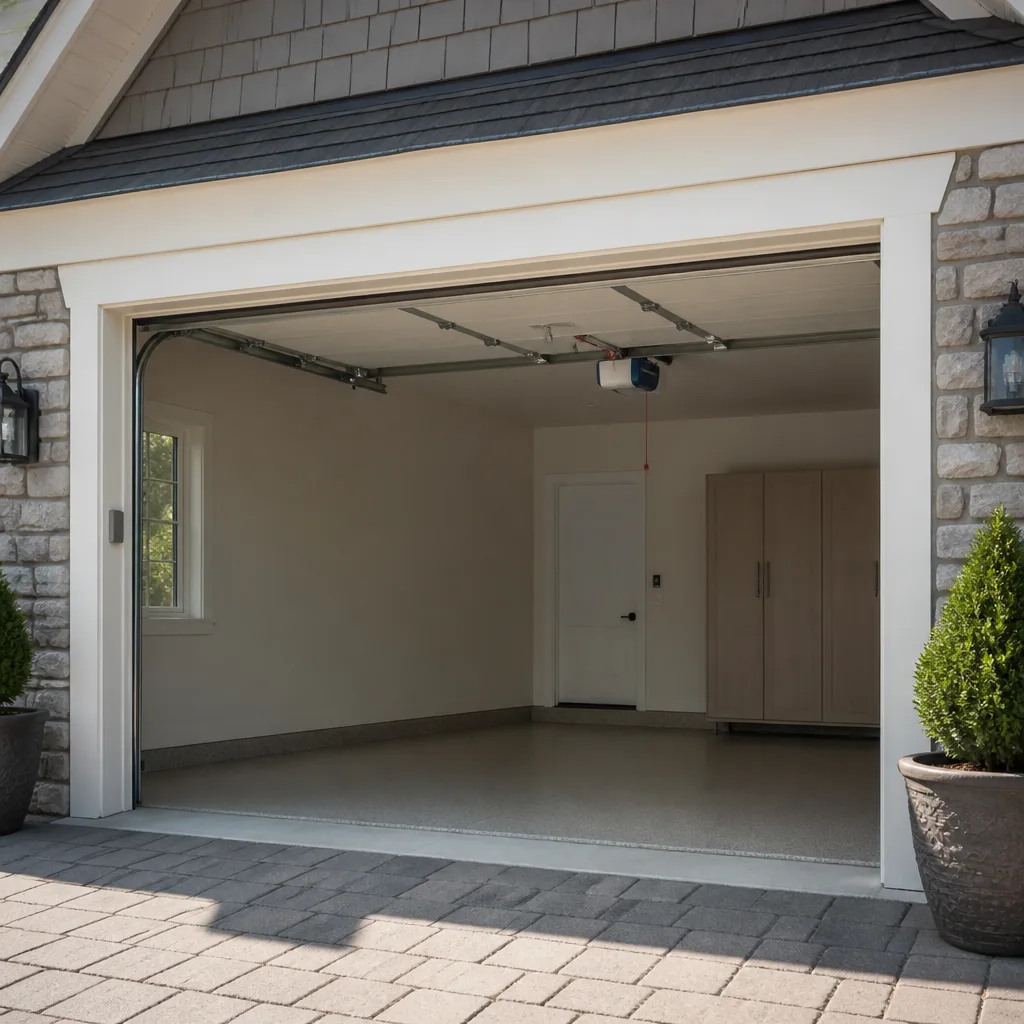 Chamberlain openers
Full 25-point door and opener safety check with every visit - springs, cables, rollers, tracks, and your LiftMaster or Chamberlain opener included
You get a price before we start. It does not change when the pro arrives.
Get your free estimateSeasonal Garage Door Care for Danbury: Year-Round Homeowner’s Guide
The spring that snaps in February usually started failing in October, back when a small adjustment got skipped because the door “seemed fine.” That’s the part most homeowners miss about garage doors in Danbury: the four-season climate here doesn’t wear a door evenly, it attacks in waves. Each season creates a specific failure mode that the season before it quietly set up. Cold, thaw, humidity, and heat each stress a different part of the same system, and a door that’s ignored in one season pays for it in the next. This guide treats the year as a chain of cause and effect rather than four separate to-do lists, so you can break that chain before it breaks your door.
Quick Answer
Seasonal garage door care in Danbury works best when you think of the year as a chain: fall prep prevents the three most common winter failures, careful winter habits avoid the costliest damage, spring inspection catches what the thaw exposed, and summer attention handles humidity and opener heat. A 15-minute walk-around each season catches most issues before they turn into repair calls.
Styles & brands we work with
- Raised-panel steel
- Carriage house
- Modern flush
- Full-view glass
- LiftMaster openers
- Chamberlain openers
Table of Contents
- Why Fall Is the Highest-Leverage Season in Danbury
- Winter: What to Do and What Never to Do
- Spring: The Post-Thaw Inspection Sequence
- Summer: The Overlooked Maintenance Season
- The 15-Minute Seasonal Walk-Around Habit
- How Danbury’s Climate Hits a Garage Door
- Common Mistakes to Avoid
- When to Call a Professional
Why Fall Is the Highest-Leverage Season in Danbury
Fall is when you get the most return on the least effort, because the work you do now decides whether winter is a routine few months or a string of repair calls. The three failures that send Danbury homeowners to the phone most often in winter are a frozen bottom seal, a spring that snaps under cold tension, and an ice lock that stops the door dead. Each one is set up in autumn. Each one can usually be headed off before the first hard freeze.
Start with the bottom seal. That rubber strip along the floor is what keeps meltwater and cold air out, and it’s also what freezes to the slab when water gets underneath it. Walk the length of it and look for cracks, flat spots, and gaps where a dollar bill slides out easily when you close the door on it. A worn seal lets water in, and water is what freezes.
Next, think about the spring. Cold shrinks and stiffens steel, and a spring that’s carrying a slightly heavier load than it should is far more likely to break when temperatures drop. You can’t safely test a torsion spring by hand, but you can watch and listen: a door that’s gotten harder to lift, a bang when it opens, or a slight sag are reasons to have it looked at before winter rather than after. Dedicated garage door spring repair is worth arranging on your schedule instead of an emergency one.
Finally, the ice lock. Water pools at the threshold, freezes, and bonds the door to the floor. Clear leaves and debris from the apron in front of the door, make sure the ground slopes away rather than toward the opening, and check that gutters and downspouts aren’t dumping water right at the door. A dry threshold in November is a door that opens freely in January.
Winter: What to Do and What Never to Do
The single most expensive mistake Danbury homeowners make all year is forcing a frozen garage door. When a door won’t budge in cold weather, the instinct is to hit the button again, then again, or to lean on it. That’s how a cheap fix turns into an opener repair, a bent panel, or a snapped spring. If the door won’t move, stop and figure out why before you ask the motor to do more work.
Here’s what to do instead:
- Check the seal first. Look along the bottom for ice bonding the door to the slab. Warm water poured along the seal, never on the glass or on the mechanism, can free a light bond.
- Listen before you press. A healthy opener sounds the same in January as in October. Grinding, straining, or a door that starts and stalls tells you the mechanism is fighting something.
- Clear snow and ice away from the door, not against it. Piling snow against the panels adds weight and traps moisture at the seal.
- Keep the tracks clear. Ice and grit in the track cause the door to bind, and a binding door is a door the opener has to push harder.
What not to do: don’t yank the manual release and let the door drop, don’t chip ice with a metal tool near the panels or glass, and don’t keep running the opener hoping it’ll break loose. A door that’s stuck in the morning is a job for someone who knows the mechanism. We answer 24/7, and fast dispatch from 7am to 7pm Sunday through Friday means a stuck door doesn’t have to sit all day. In our experience, a winter call caught early is often a straightforward garage door repair, while the same problem forced repeatedly turns into a much bigger job.
Spring: The Post-Thaw Inspection Sequence
Spring is when the freeze-thaw cycle shows you what it did over the winter, and a short inspection in the right order catches problems while they’re cheap to fix. The thaw moves the ground, and in Danbury that means the concrete under your door can heave and settle. Work through this sequence once the ground has firmed up:
- Look at the floor first. Stand inside and look at the gap under the door. Uneven gaps, or a door that suddenly doesn’t meet the seal the way it did in fall, suggest the slab has shifted.
- Check the tracks for plumb. Heaved concrete can push a track out of alignment, and a misaligned track makes the door drag and wear its rollers unevenly.
- Test the balance by hand. With the door closed and the opener disconnected, lift the door partway. It should feel manageable and hold its position. If it drops or feels very heavy, the spring or its adjustment needs attention from a professional.
- Inspect the rollers and hinges. Look for flat spots, cracks, and loose hinges. Lubricate metal rollers and hinges with a garage door lubricant, not household oil.
- Run the safety reverse test. Put a small object in the door’s path and confirm it reverses. If it doesn’t, that’s a safety issue to address before you use the door again.
- Wipe down the seal. Clean the bottom seal and check that it’s still flexible after the cold.
The heaved-concrete check is the one most people skip, and it’s the one that explains a lot of “sudden” track and roller trouble each spring in Danbury. A track that’s out of line wears everything it touches.
Summer: The Overlooked Maintenance Season
Summer is the season homeowners forget, but humidity does quiet damage and heat stresses the opener. In Danbury’s humid stretches, wood-framed doors and wood trim around the opening absorb moisture and swell. Swelling can bind a door in its frame, throw off the alignment of the panels, and put extra load on the opener. If your door is wood or has wood trim, look for sticking points, bubbling paint, and any spot where the door rubs the frame. Keeping paint and finish intact is the real protection here, because a sealed surface keeps moisture out.
Heat is the other half of the summer story. An opener working in a hot garage can behave differently than it does in cooler months, and a unit that’s already strained may trip its thermal protection and stop mid-cycle. That’s not always a failing opener; sometimes it’s a door that’s too heavy, a spring that’s out of adjustment, or a track that’s binding, and the motor is simply the messenger. A LiftMaster or Chamberlain unit that shuts down on a hot afternoon is telling you the load is too high.
Summer is also the best time to book work you’ve been putting off. Replacement and installation work is measured, ordered, and scheduled rather than done on the spot, so a free measure and a written price in summer gives you a clear plan well before cold weather. If you’ve been weighing a full replacement, our garage door installation service handles the whole job, and we work across Clopay, Amarr, Wayne Dalton, and Raynor as well as the opener lines.
The 15-Minute Seasonal Walk-Around Habit
Most repair calls we see in Danbury could have been caught by a short, regular check. You don’t need tools or a checklist longer than this. Fifteen minutes, four times a year, before each season turns, is enough to spot the majority of developing problems while they’re still minor.
Here’s the walk-around:
- Look at the whole door from across the street. Is it sitting level? Any sag, tilt, or gap that wasn’t there last time?
- Watch it open and close. Listen for grinding, squealing, or hesitation. A door that moves smoothly and quietly is a healthy one.
- Run your hand along the bottom seal. Feel for cracks, hard spots, and gaps.
- Check the tracks by eye. They should look straight and parallel, with no dents or debris.
- Test the safety reverse. Put an object in the path and confirm the door reverses.
- Look at the opener’s moving parts. Belt, chain, and rail should look clean and free of rust or obvious wear.
- Note anything that’s changed. A new noise or a slower response is the earliest signal you’ll get.
The value of the habit is timing. A spring that’s slightly off in October is a scheduled fix; the same spring in February is a broken door and a morning phone call. Catching things on your own schedule is what keeps garage door opener repair from becoming urgent.
How Danbury’s Climate Hits a Garage Door
Danbury sits in a four-season climate with cold winters, a real spring thaw, humid summers, and wide swings between them. That pattern of freeze, thaw, and humidity is what makes seasonal care here a chain rather than a set of separate chores. Each part of the door responds to a different stress, and the stresses stack.
Cold stiffens and shrinks steel, raising the load on springs and making any weakness more likely to fail. Freeze-thaw moves the ground, which is why the concrete under your door can heave and misalign a track. Humidity swells wood and encourages corrosion on metal parts that don’t get lubricated. Heat raises the working temperature of the opener and reveals a door that’s carrying more weight than it should. None of these things happen in isolation, and that’s the whole point: the small adjustment you skip in fall is what a February cold snap finds.
This is also why a brand-agnostic approach matters. Whether your door is a Raynor, a Clopay, or a Wayne Dalton, and whether the opener is a LiftMaster, Chamberlain, Genie, or Craftsman, the seasonal stresses are the same, and the right fix depends on the system in front of us rather than a single product line. Our technicians have up to 15 years of experience diagnosing and repairing these systems, and the local pro we connect you with is licensed and insured as their state requires.
Common Mistakes to Avoid
- Forcing a frozen door. Hitting the button on a door bonded by ice is the fastest way to bend a panel or burn out an opener. Free the seal first, or call.
- Skipping the fall check because the door “seems fine.” In Danbury, a door that feels fine in October is exactly the one that breaks in February. The fall check is where the winter failures get prevented.
- Ignoring a heaved slab. If the floor under your door has shifted, the track may be out of line, and a misaligned track wears rollers, hinges, and the opener. Get it looked at in spring rather than replacing parts repeatedly.
- Lubricating with the wrong product. Household oil attracts grit. Use a garage door lubricant on metal rollers and hinges, and keep it off plastic and the rubber seal.
- Skipping the safety reverse test. A door that won’t reverse is a safety hazard, and it should be addressed before the door is used again.
- Letting wood swell unchecked. In a humid Danbury summer, a wood door or wood trim that’s binding needs attention before it warps or throws off the alignment.
- Assuming a hot opener is failing. An opener that shuts down in summer heat may be reacting to a door that’s too heavy or a track that’s binding. The door is often the real problem, and a proper diagnosis saves you from replacing a working opener.
When to Call a Professional
Some jobs are safe to handle yourself: cleaning the seal, lubricating metal parts, eyeballing the tracks, running the safety reverse test. Others aren’t. The two you should never attempt are the springs and the electrical side of the opener. A torsion or extension spring under tension can cause serious injury if it releases, and opener wiring carries live current. For those, a trained professional is the right call. If you’re seeing a door that drops by hand, a spring that’s broken or sagging, a track that’s clearly out of line, or an opener that won’t respond, it’s time to have it looked at.
Danbury Garage Door Repair Co offers free estimates in Danbury, and we work on the brands already in your home rather than talking you into a switch. We handle repair, opener repair, spring repair, and full installation, so one call covers it. Call (844) 524-6649. We answer 24/7. Fast dispatch from 7am to 7pm, Sunday through Friday.
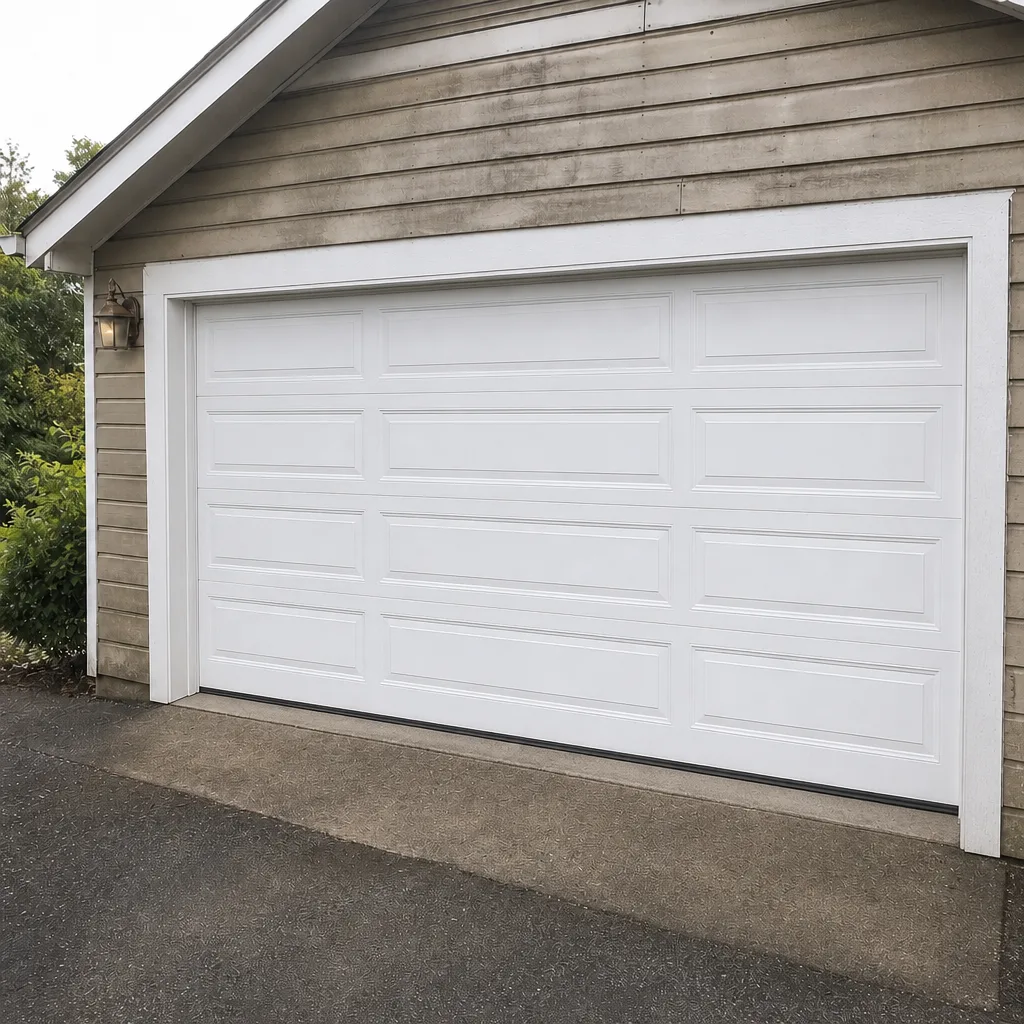
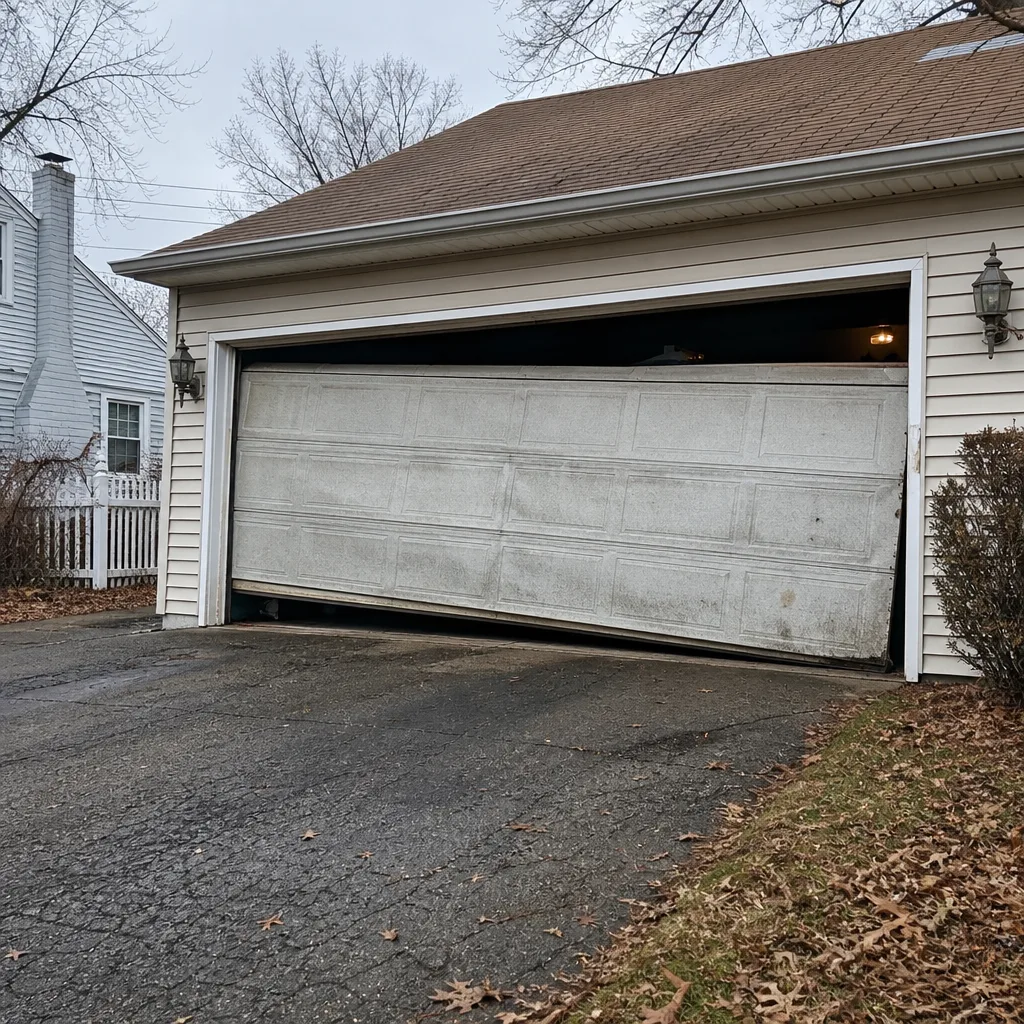
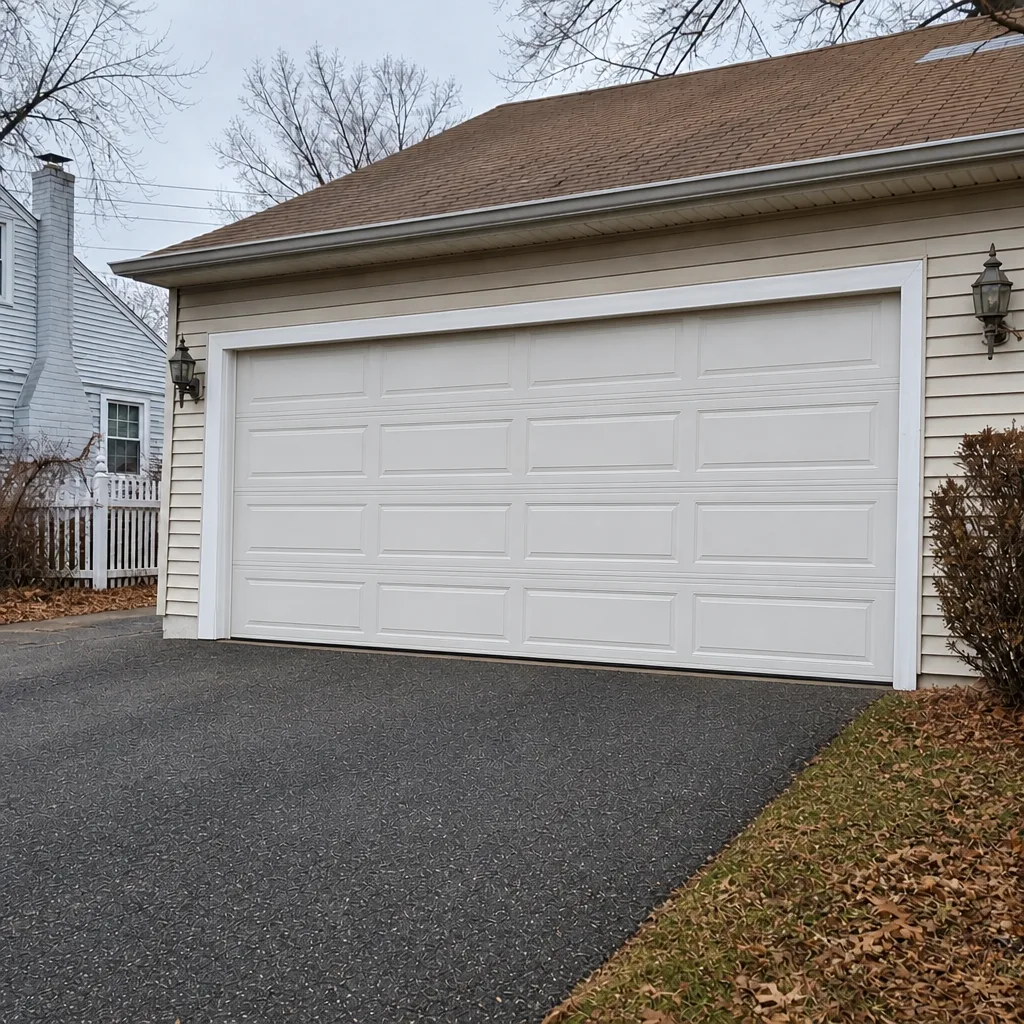
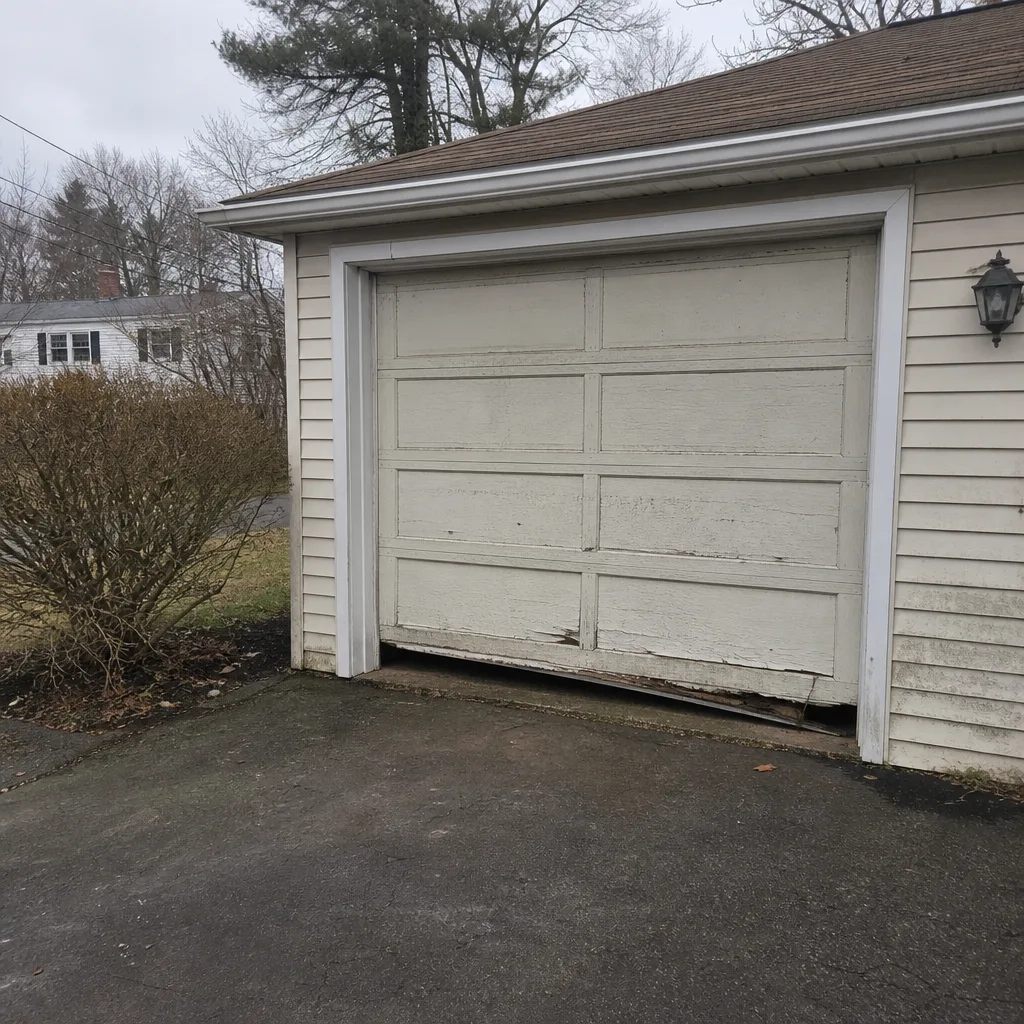
See the difference
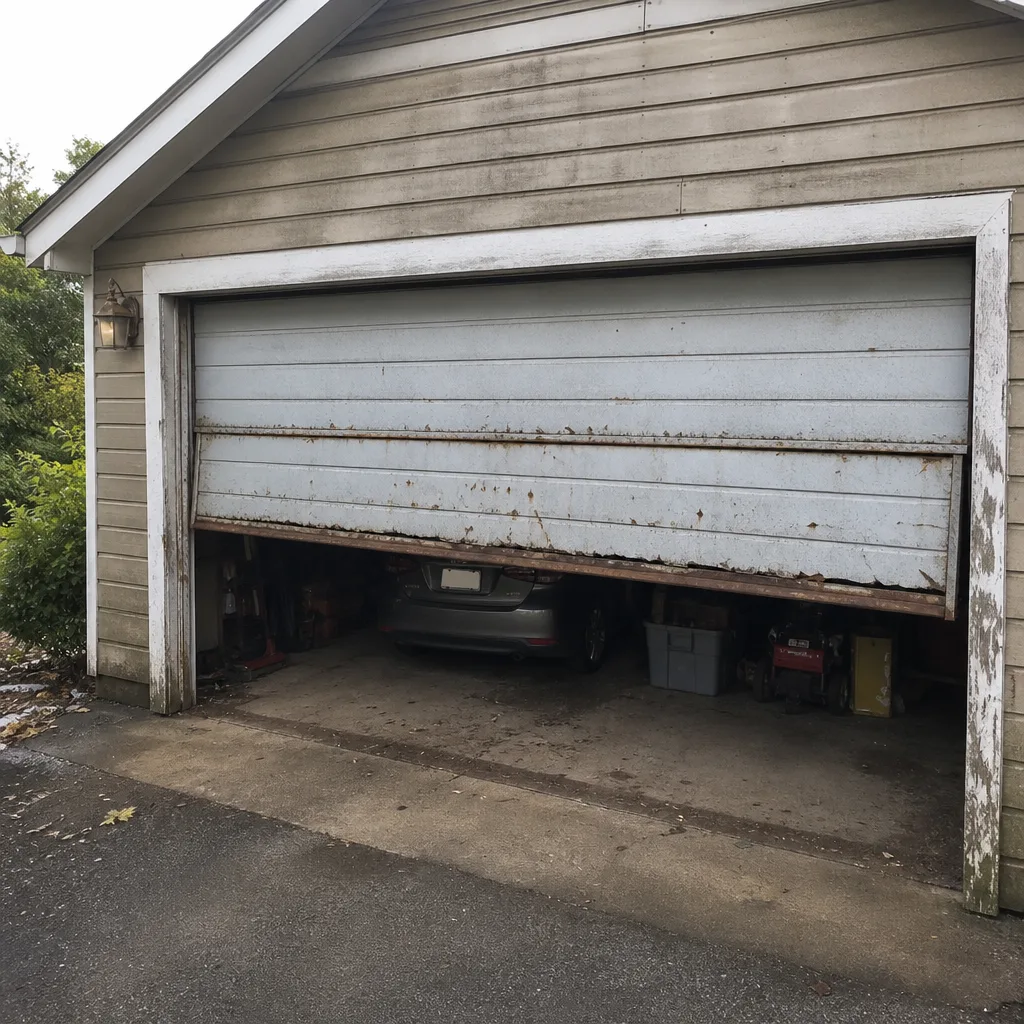 Before
 After
 Before
 After
 Before
 After
Frequently Asked Questions
It’s a short check four times a year: fall prep for winter, careful winter habits, a spring inspection after the thaw, and summer attention to humidity and opener heat. Each season’s tasks catch the problems the last season set up. The work is mostly visual inspection and lubrication, plus a professional check on anything involving the springs or opener.
Cold stiffens and shrinks the steel in the springs while raising the load they carry, and the freeze-thaw cycle can bind the door to the floor. A spring that was slightly weak in fall is far more likely to snap under winter cold. Most winter failures were set up by skipped fall maintenance. If your door is stuck or a spring has let go, call (844) 524-6649 for an exact quote. Estimates are free.
Yes. We offer same-day emergency service for doors that won’t open. Call (844) 524-6649. We answer 24/7. Fast dispatch from 7am to 7pm, Sunday through Friday. A call outside dispatch hours is booked into the next opening, Sunday through Friday, 7am to 7pm.
No. Forcing a frozen door is the most expensive mistake we see, because it can bend a panel, snap a spring, or burn out the opener. Free the seal with warm water if it’s a light bond, or call for help. Never chip ice near the glass or the mechanism, and don’t keep running the opener hoping it’ll break loose.
Do a 15-minute walk-around before each season turns. Check that the door sits level, watch it open and close for new noises, feel the bottom seal for cracks, look at the tracks, and test the safety reverse. That habit catches most developing problems while they’re minor. Call (844) 524-6649 for a free estimate on anything you find.
No. The price is quoted and agreed before any work starts, and the written estimate sets the final price. That’s true whether it’s a spring repair, opener repair, or a full replacement. Call (844) 524-6649. Estimates are free.
The Bottom Line
Danbury’s four-season climate wears a garage door in a chain, not in even steps. Fall prep prevents the three most common winter failures, careful winter habits avoid the costliest damage, spring inspection catches what the thaw exposed, and summer attention handles humidity and opener heat. The single highest-value habit is a 15-minute walk-around before each season turns. The single costliest mistake is forcing a frozen door. Handle the small things on your schedule, and the springs, opener, and tracks will last far longer. And for anything involving springs or wiring, call a professional.
Ready to get ahead of the next season? Danbury Garage Door Repair Co connects you with local professionals across every major brand, from LiftMaster and Chamberlain openers to Raynor and Clopay doors. We handle repair, spring repair, opener repair, and full installation. Call (844) 524-6649 for a free estimate and a written price before any work starts.
Written by the team at Danbury Garage Door Repair Co.