
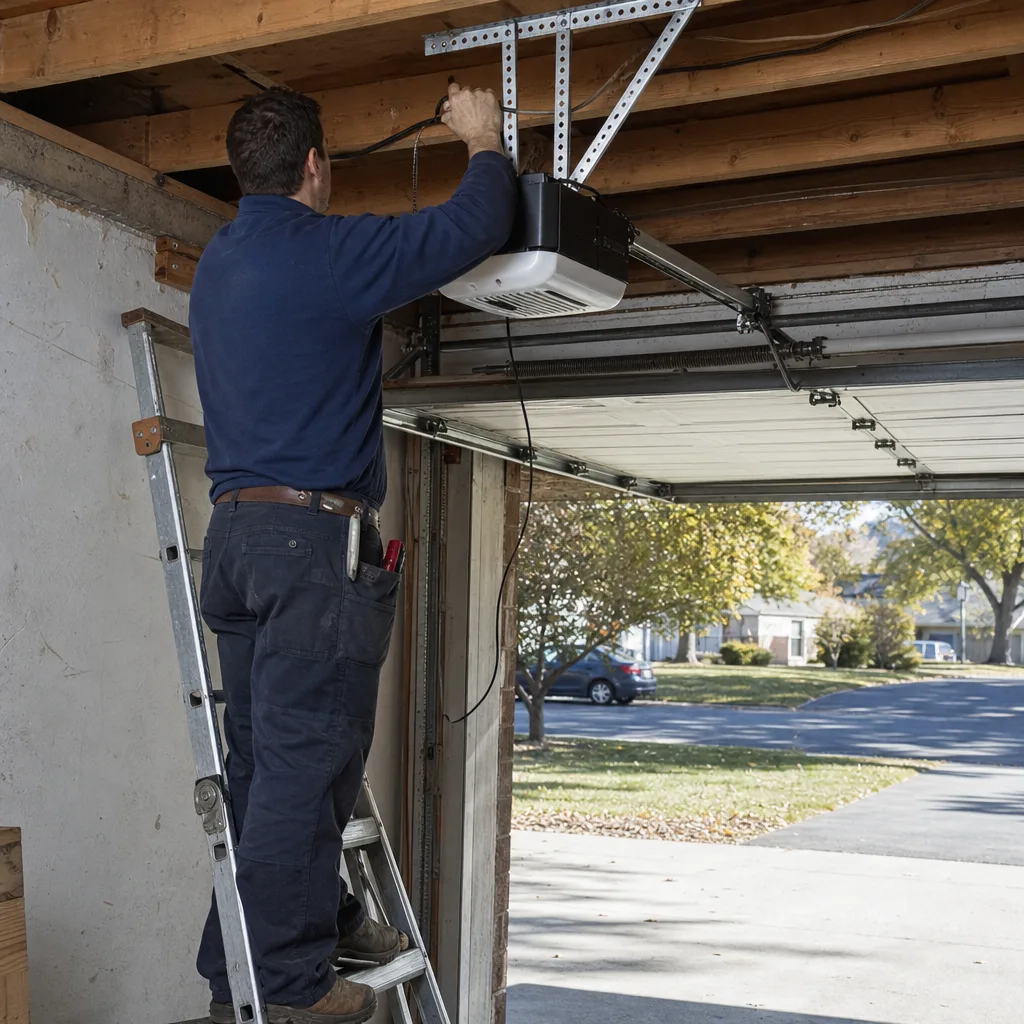
Last updated November 21, 2026
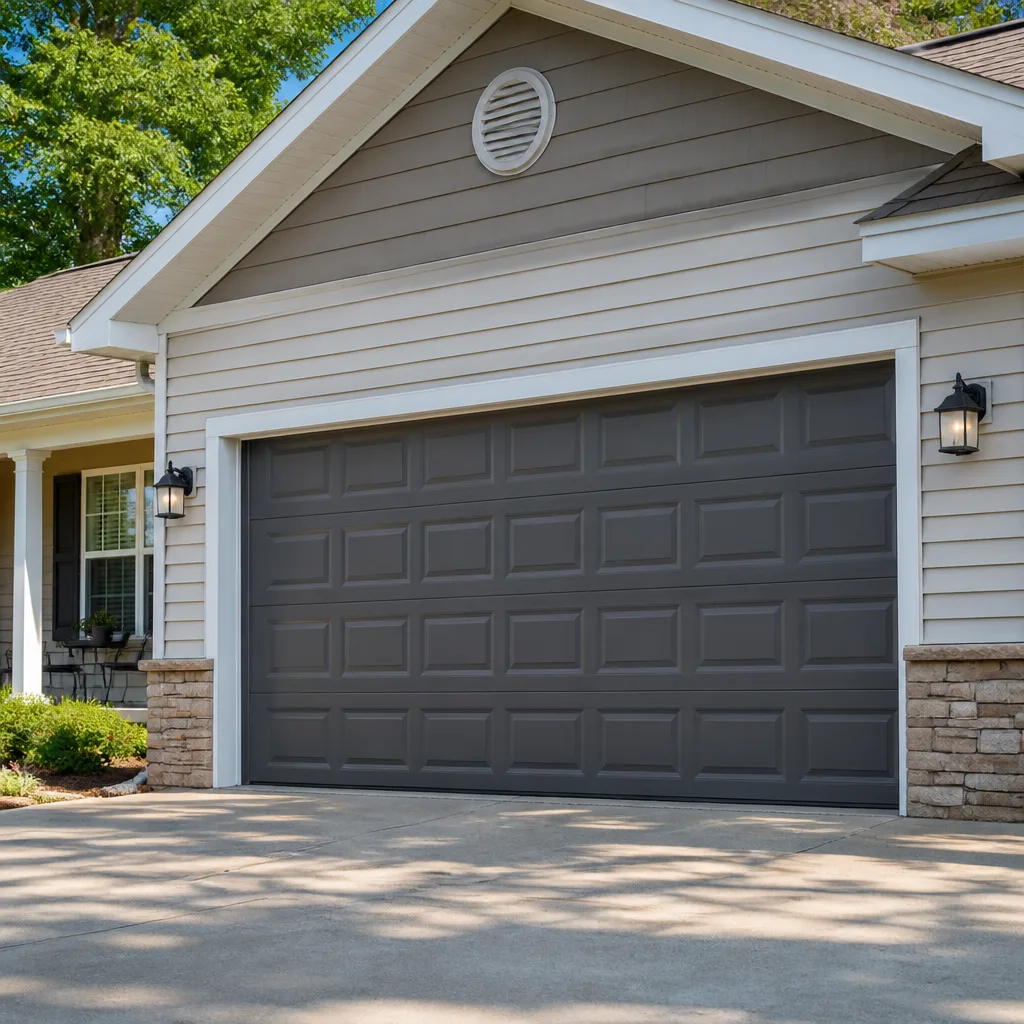 Raised-panel steel
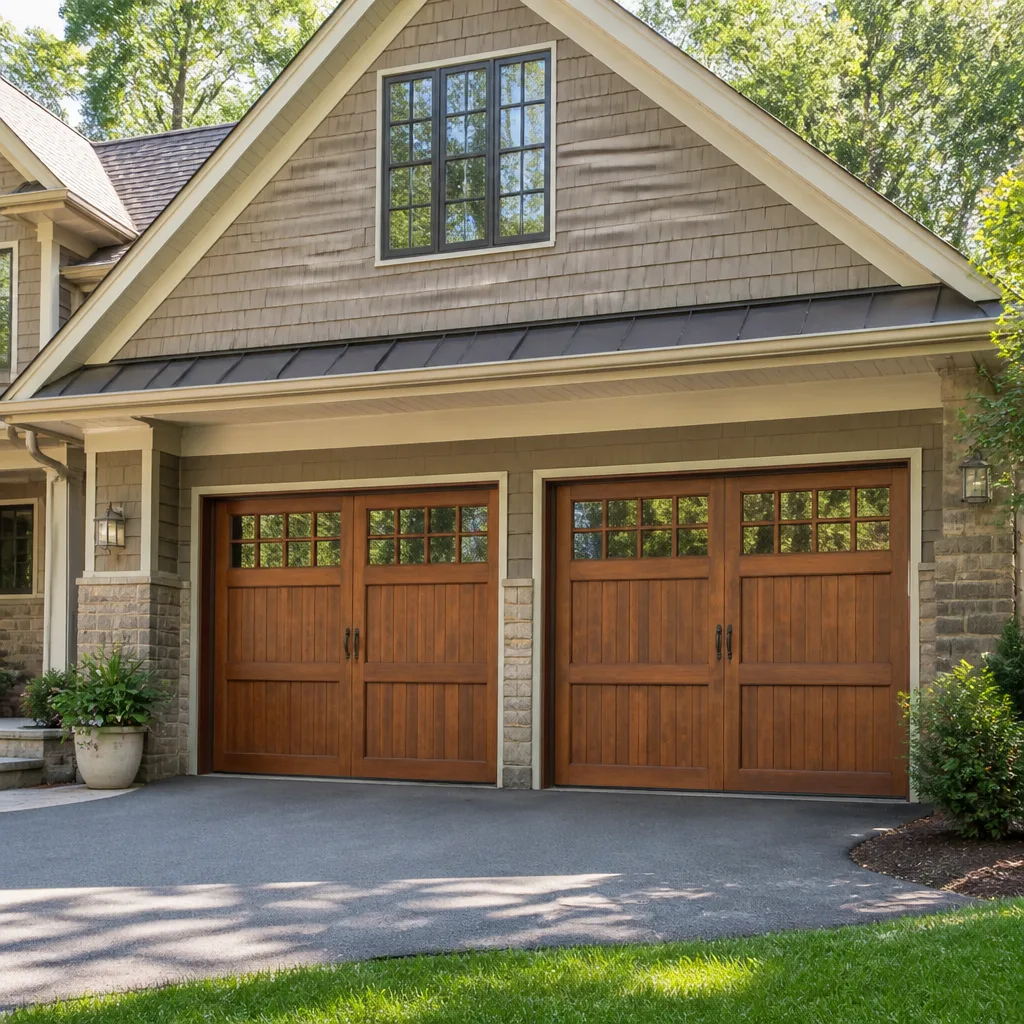 Carriage house
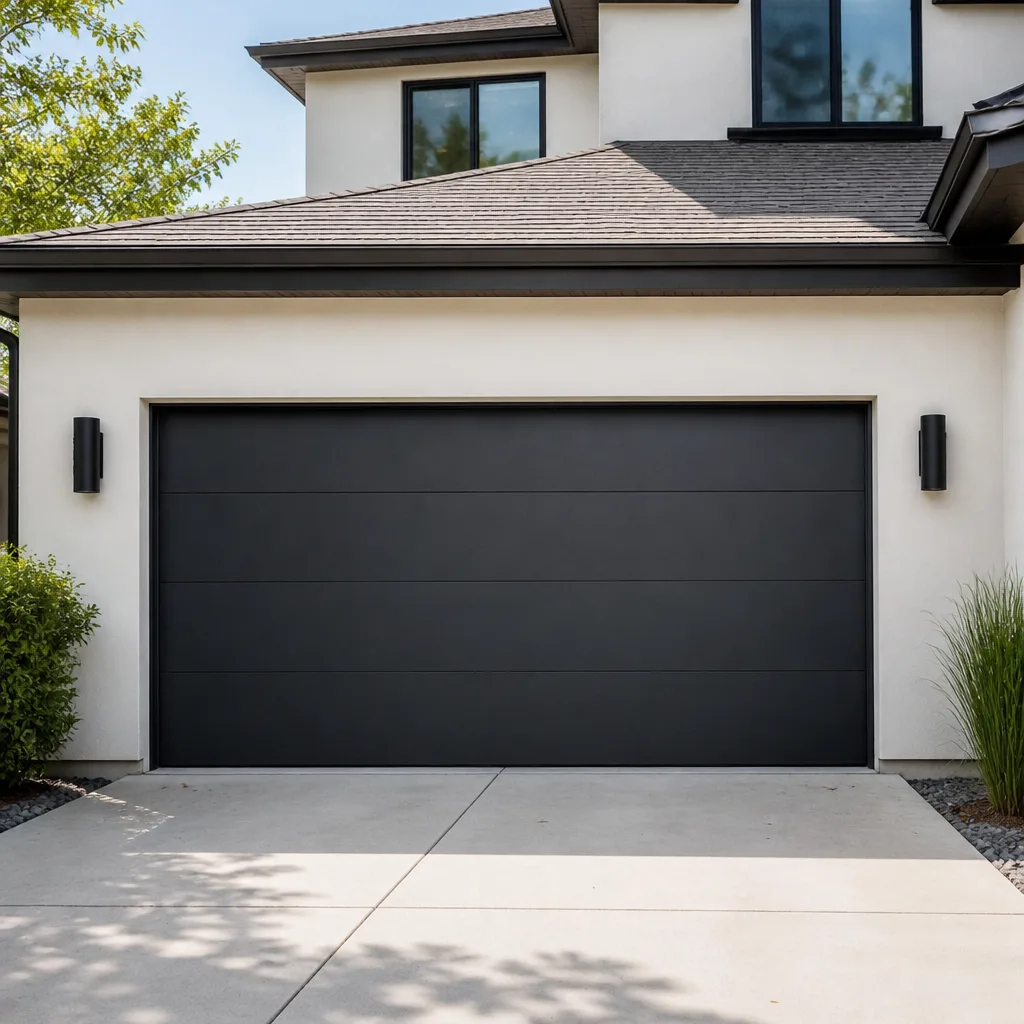 Modern flush
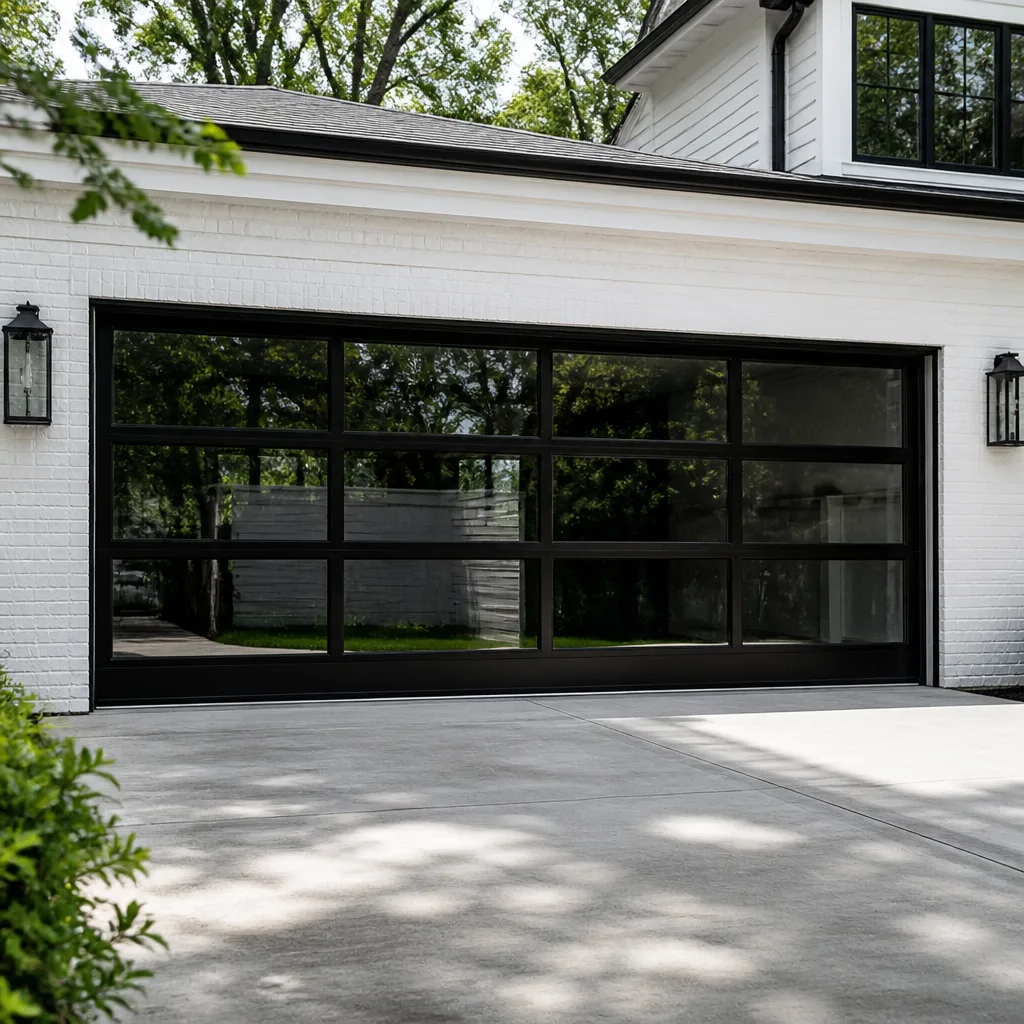 Full-view glass
 LiftMaster openers
 Chamberlain openers
Full 25-point door and opener safety check with every visit - springs, cables, rollers, tracks, and your LiftMaster or Chamberlain opener included
You get a price before we start. It does not change when the pro arrives.
Get your free estimateHow to Hire a Garage Door Contractor in Danbury: A Step-by-Step Guide
Most homeowners in Danbury hire a garage door contractor the same way they hire a plumber: something breaks, they call the first number that answers. That’s a mistake. Garage doors aren’t plumbing. They’re a mechanical system under serious spring tension, and the person you let work on yours needs to be a specialist, not a generalist with a van and a ladder. After every rough winter in this part of Connecticut, the market fills with outfits that install one brand and push it no matter what’s already bolted to your ceiling. This guide walks you through the vetting questions that separate a real specialist from a salesperson, how to read a quote, and what local red flags actually look like.
Quick Answer
Hiring a garage door contractor in Danbury comes down to three filters: confirm they service your existing brand rather than only installing their own, ask for itemized written quotes with labor warranties in writing, and verify their licensing and liability insurance documents directly. A specialist diagnoses your current system; a brand-exclusive dealer sells you a replacement before they’ve looked at it.
Styles & brands we work with
- Raised-panel steel
- Carriage house
- Modern flush
- Full-view glass
- LiftMaster openers
- Chamberlain openers
Table of Contents
- Certified Specialist vs. Brand-Exclusive Dealer
- Five Interview Questions That Reveal a Real Contractor
- What Connecticut Licensing and Insurance Should Actually Look Like
- Red Flags Specific to the Danbury Market
- How to Compare Quotes Apples-to-Apples
- Repair or Replace? Asking the Right Question
- Why Spring Work Deserves Extra Scrutiny
- Questions to Ask Before You Sign
Certified Specialist vs. Brand-Exclusive Dealer: The Difference That Matters Most
A certified installer works on multiple brands and diagnoses whatever is in your garage. A brand-exclusive dealer installs one product line and is financially motivated to steer you toward it. Those are two different jobs, and confusing them is the single most expensive mistake Danbury homeowners make when they hire a garage door contractor.
Here’s how the two types behave in practice:
- A specialist asks what you have. They want the make and model of your door and opener before they arrive, because they carry the parts and knowledge for Craftsman, LiftMaster, Chamberlain, Raynor, and other major systems already in local homes.
- A brand-exclusive dealer asks what you want. The conversation starts with a catalog and ends with a quote for a door you didn’t know you needed.
- A specialist repairs first. If a $180 spring replacement solves your problem, that’s the recommendation. A brand-exclusive dealer may treat every service call as a sales appointment.
- A specialist is fluent across openers and doors. That covers LiftMaster, Chamberlain, Craftsman, and Genie openers alongside Clopay, Amarr, Wayne Dalton, and Raynor doors. You don’t need three different contractors for one system.
We work on your brand. If you’ve got a Wayne Dalton door with a Genie opener from the previous owner, that’s not a problem to solve by replacing everything. It’s a system to diagnose. That’s the whole point of being brand-agnostic: the recommendation follows the diagnosis, not the other way around. For a market like Danbury, where homes range from newer builds near the west side to older properties with decades-old doors, that flexibility matters more than any single product line.
Five Interview Questions That Reveal Whether a Contractor Is Diagnosing or Selling
Ask these five questions on the phone before you book anyone. The answers tell you within two minutes whether you’re talking to a technician or a closer. Write them down; the good ones won’t mind.
- “Which brands do you service?” A specialist lists several. A brand-exclusive dealer names one or two and pivots to why theirs is superior.
- “Can you repair my existing opener, or are you only installing new ones?” This separates a service business from an installation business. A real repair operation handles garage door opener repair on the unit you own.
- “Will you itemize the quote – parts, labor, warranty?” Vague is bad. Itemized is good. Anyone who won’t break it down is hiding something, whether it’s a markup or a low-grade part.
- “What’s your labor warranty, in writing?” A written labor warranty signals confidence in the work. “We stand behind it” is not a warranty; it’s a slogan.
- “Do you handle spring work in-house, or do you subcontract it?” Spring work is the most safety-sensitive job on the system. You want a company that does it as a dedicated service, not one that calls someone else.
If the voice on the other end gets defensive at any of these, that’s your answer. A confident specialist will answer all five without flinching, because these are the questions they’d want answered if a garage door broke at their own house.
What Connecticut Contractor Licensing and Liability Insurance Should Actually Look Like
Most homeowners ask, “Are you licensed and insured?” and accept “yes.” That’s not vetting; it’s a courtesy question. Real verification means asking for documentation and knowing what you’re looking at.
Documents to request
- A current Connecticut registration or license number for the contractor’s business. Verify it with the state, don’t just read it off the side of a van.
- A certificate of liability insurance with the business named as the insured. Ask the insurer to send it directly, not the contractor, so it can’t be edited.
- Proof that any subcontractors carry their own coverage if the company uses them. If a crew isn’t on the company’s insurance, you’re exposed if someone gets hurt on your property.
The local pro we connect you with is licensed and insured as their state requires. That’s the standard. In Danbury, where older homes and tight driveways make some installs trickier than a new build, that coverage protects you as much as it protects them. If a contractor fumbles the documents or says insurance “isn’t necessary for a small job,” walk away. A broken spring can injure a person; a property-damage claim can cost more than a new door.
Red Flags Specific to the Danbury Market
After a bad storm in this part of Connecticut, the phone book and mailbox fill up. Some of those outfits are legitimate. Many are seasonal visitors who move on. Here’s what to watch for in Danbury specifically.
- Vague quotes over the phone. A real contractor can give a range for common jobs but will insist on seeing the door before committing to a price. A number pulled out of the air for a job they haven’t seen is a red flag.
- No written warranty on labor. If the only warranty is on the door manufacturer’s parts, you’re carrying the risk on the install itself.
- Reluctance to itemize parts. Someone who prices a job as one lump sum is either protecting a markup or hiding that they’re using low-grade hardware.
- Pressure to replace when repair would do. A “your door needs to be replaced” verdict delivered before anyone has examined the torsion system is a sales pitch, not a diagnosis.
- No local presence or accountability. Storm-chasers don’t come back when the install fails next season. A company that answers its phone in a year is worth more than one that offers a sharper number today.
How to Compare Quotes Apples-to-Apples
Comparing two garage door quotes is harder than it looks, because contractors spec different hardware grades. One quote is for a 25-gauge door with a basic opener; another is for something heavier with a better lift. To compare fairly, build a one-page worksheet for each quote.
- List the door or opener model and gauge. Don’t accept “standard” or “builder grade.” Ask for the manufacturer and model number.
- Note the parts list separately from labor. Same spring, same hinges, same rollers in both quotes? If not, they aren’t comparable.
- Record the warranty on both parts and labor. A cheap install with no labor warranty isn’t cheaper; it’s deferred cost.
- Check what’s included. Removal, haul-away, new tracks, opener programming, and final adjustment should all be listed. If one quote omits them, add them back in yourself to compare.
- Confirm the quote is fixed before work starts. The written estimate sets the final price. Anything else is “we’ll see.”
When we quote a job in Danbury, the price is quoted and agreed before any work starts. That’s not generosity; it’s just how a professional quote is supposed to work, and any contractor worth hiring will do the same.
Repair or Replace? Asking the Right Question
Half of “should I hire a contractor to replace my door?” questions are actually “should I hire a contractor to repair it?” The honest answer depends on the door, not on what the contractor wants to sell.
Repair typically wins when the door panels are sound, the tracks aren’t bent, and the opener still has life. Replacement makes sense when the door is genuinely at end of life, the panels are damaged beyond repair, or the safety hardware can’t be brought up to current standards. Everything else – noisy opener, sluggish movement, a clearly tired spring – is usually a repair job, not a replacement job.
Ask any contractor who recommends replacement: “What specifically failed, and can it be replaced on its own?” If they can’t name the part, they’re selling, not diagnosing. Our garage door repair team goes in expecting to fix what’s there, because that’s what most customers actually want.
Why Spring Work Deserves Extra Scrutiny
Torsion springs store enough energy to break bones. Since 2006-ish designs and earlier, every residential door has them, and when one fails, it fails with force. This is where the vetting questions matter most, and it’s where a lot of general handymen should politely decline the job.
A contractor who treats spring work as a routine add-on to a general handyman skill set is a risk. Spring repair is a dedicated service for a reason – it requires matching the spring to the door’s exact weight and using the right winding tools and safety practices. When you hire a garage door contractor in Danbury for this job, the answer to “Do you do spring work yourself?” should be an unhesitating yes.
We’ve seen what happens when spring work is handled casually: doors out of balance, cables fried, and hardware stressed beyond spec. That’s why we treat garage door spring repair as its own discipline, not a side task. If any contractor tells you a spring is “a five-minute job,” that’s the fastest red flag in the entire guide.
Questions to Ask Before You Sign
The final step before you hand over a deposit: a short, structured conversation. These questions are less about catching a crook and more about making sure the working relationship is clear. Ask them all.
- “Who will actually do the work – your employees or subcontractors?” If subcontractors, ask about their training and insurance.
- “How long will the job take once the parts arrive?” Spring repairs and openers can often be done in a single visit. Full door installation is a measured, ordered, scheduled job, so ask for the timeline in writing.
- “What’s your labor warranty, and what voids it?” Understand what could make the warranty disappear – self-adjustments are a common one.
- “Can I see the estimate before the work starts?” The answer should be yes, always, in writing.
If you want to skip straight to a company that has already passed these tests, Danbury Garage Door Repair Co is a single call. We service products from LiftMaster, Chamberlain, Genie, Clopay, Amarr, Wayne Dalton, Craftsman, and Raynor, handle both repair and install, and quote before we start.
Common Mistakes to Avoid
- Calling the first number that answers. Being fast isn’t the same as being right; a garage door is a mechanical system, not a stuck drawer. Ask the five questions before you book.
- Accepting a phone quote as final. A range is fine; a firm number on a door nobody has seen is a guess dressed up as a price.
- Choosing on price alone. Two quotes that differ by $200 can be $800 apart once you compare hardware grade and labor warranty.
- Skipping the insurance check. “Are you insured?” is not verification. Ask for the certificate and confirm the insurer issued it.
- Letting a single-brand dealer replace the whole system. If only the opener is failing, don’t let a door salesman talk you into a new door and opener package.
- Trying to fix a spring yourself after watching a video. Torsion springs and cables are genuinely dangerous. This is the one job where “call a professional” is not a sales line.
- Not getting the labor warranty in writing. A verbal “we’ll take care of you” evaporates the moment the job is paid for.
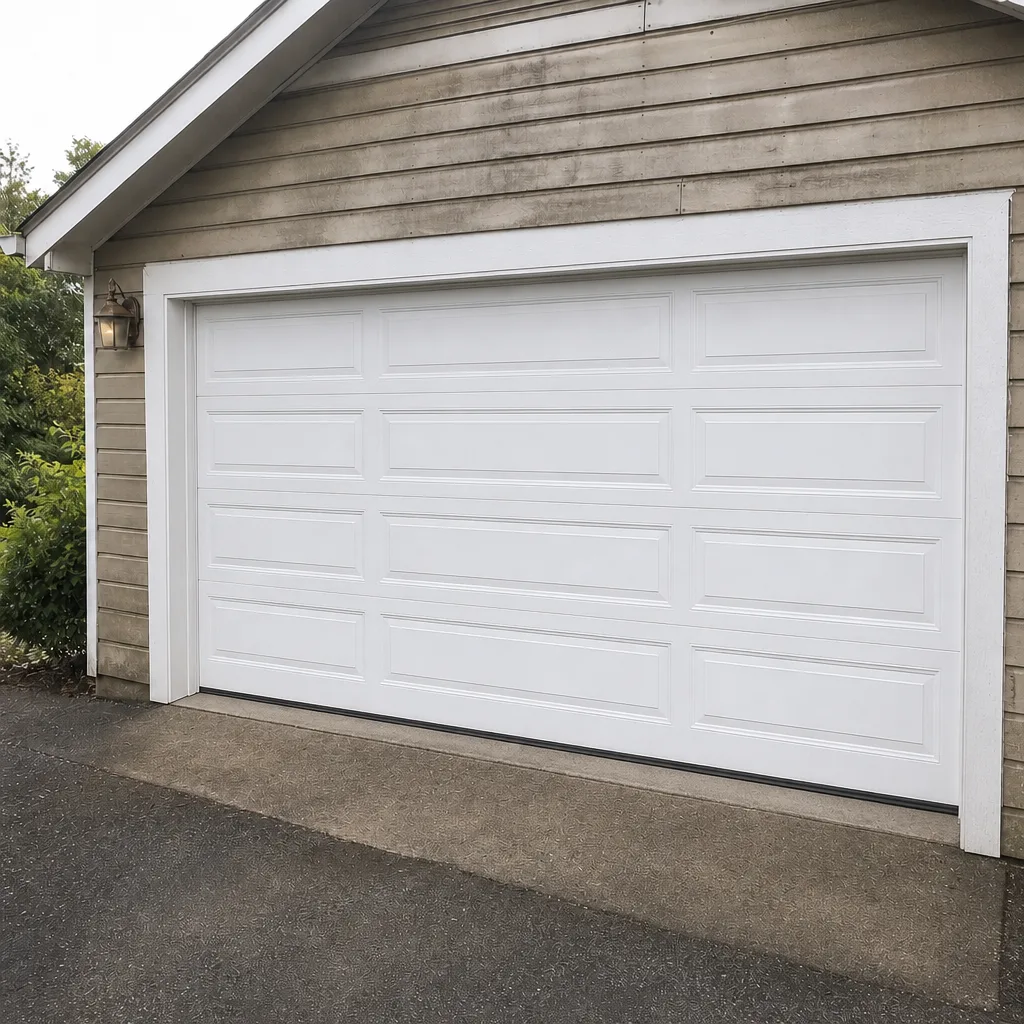
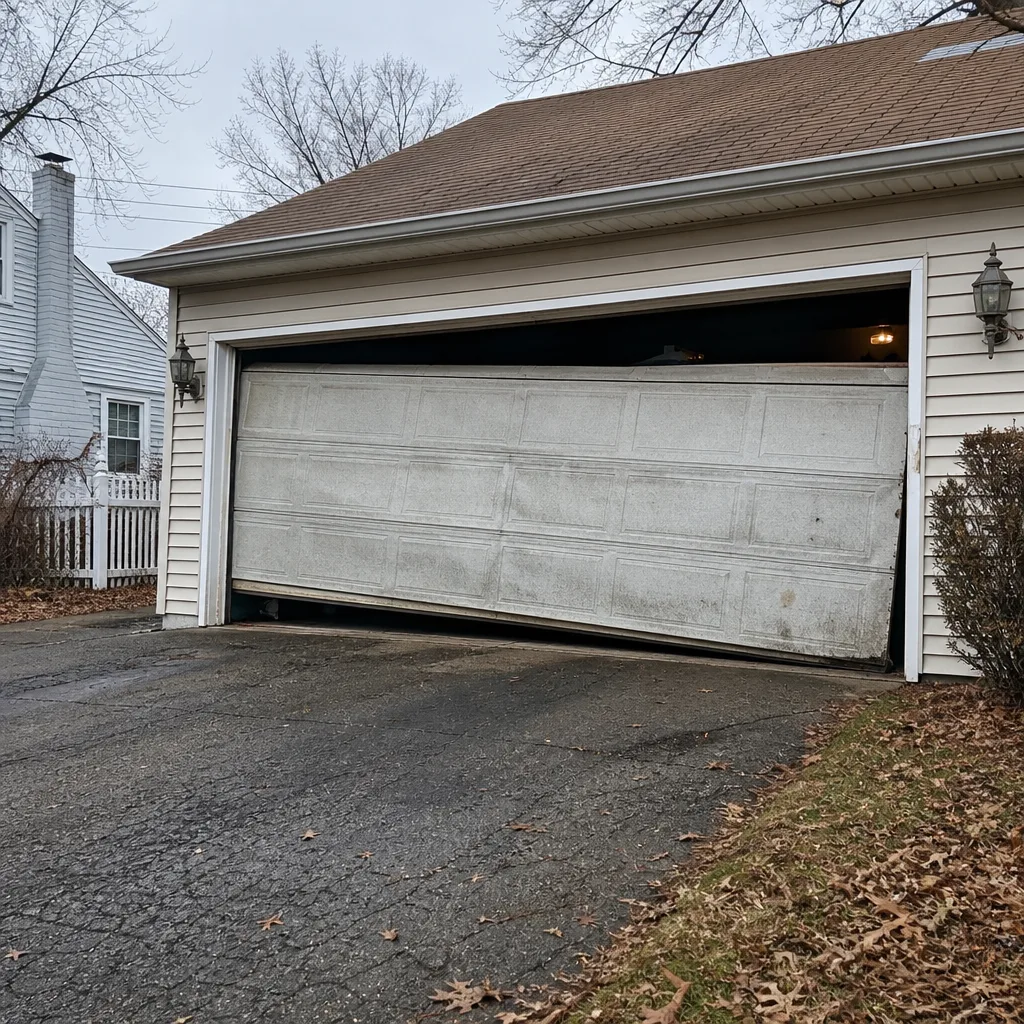
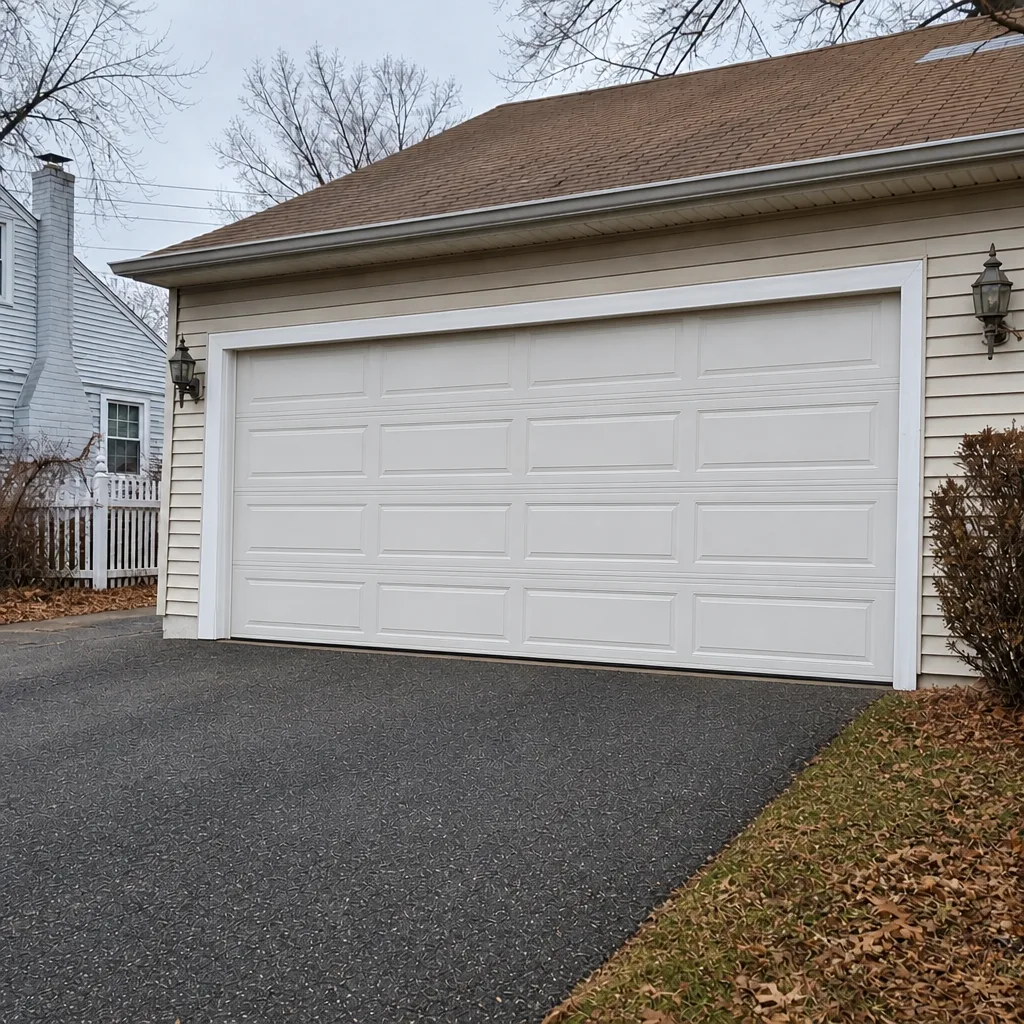
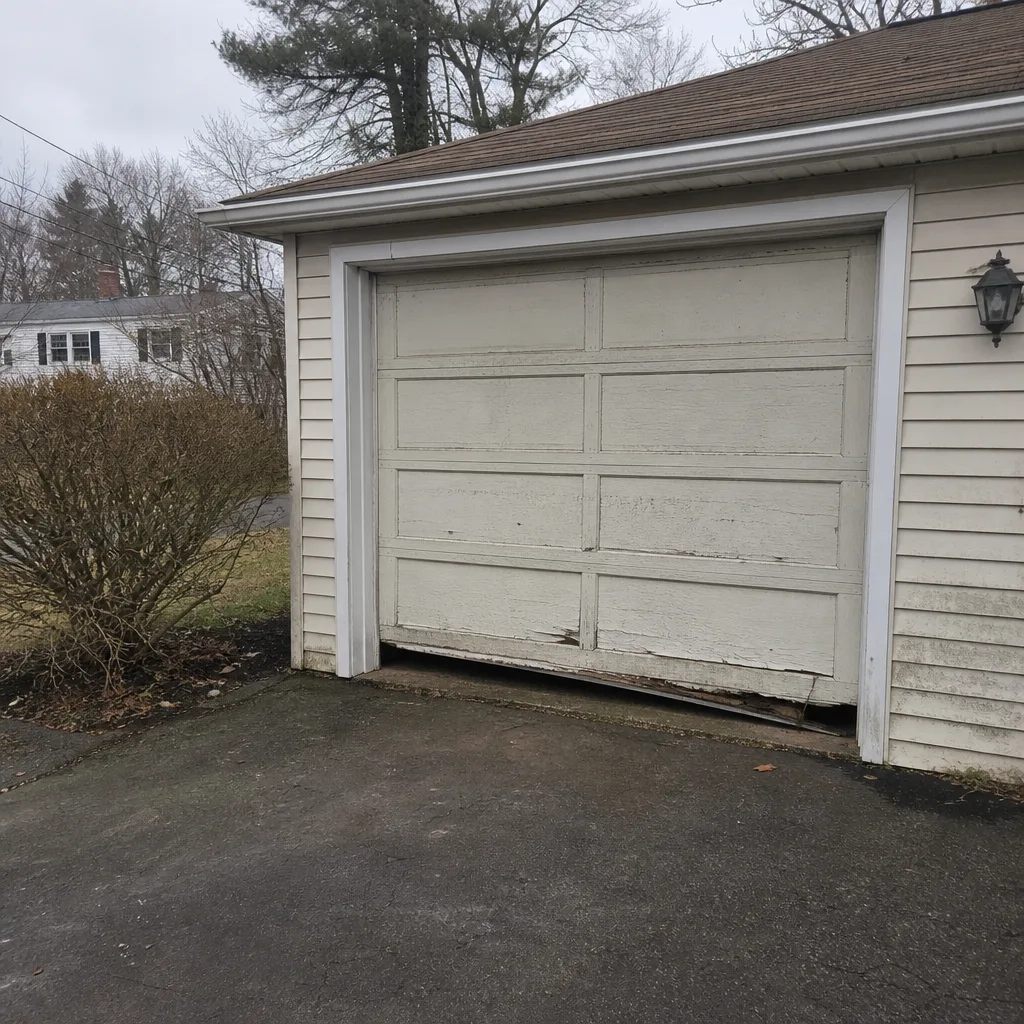
See the difference
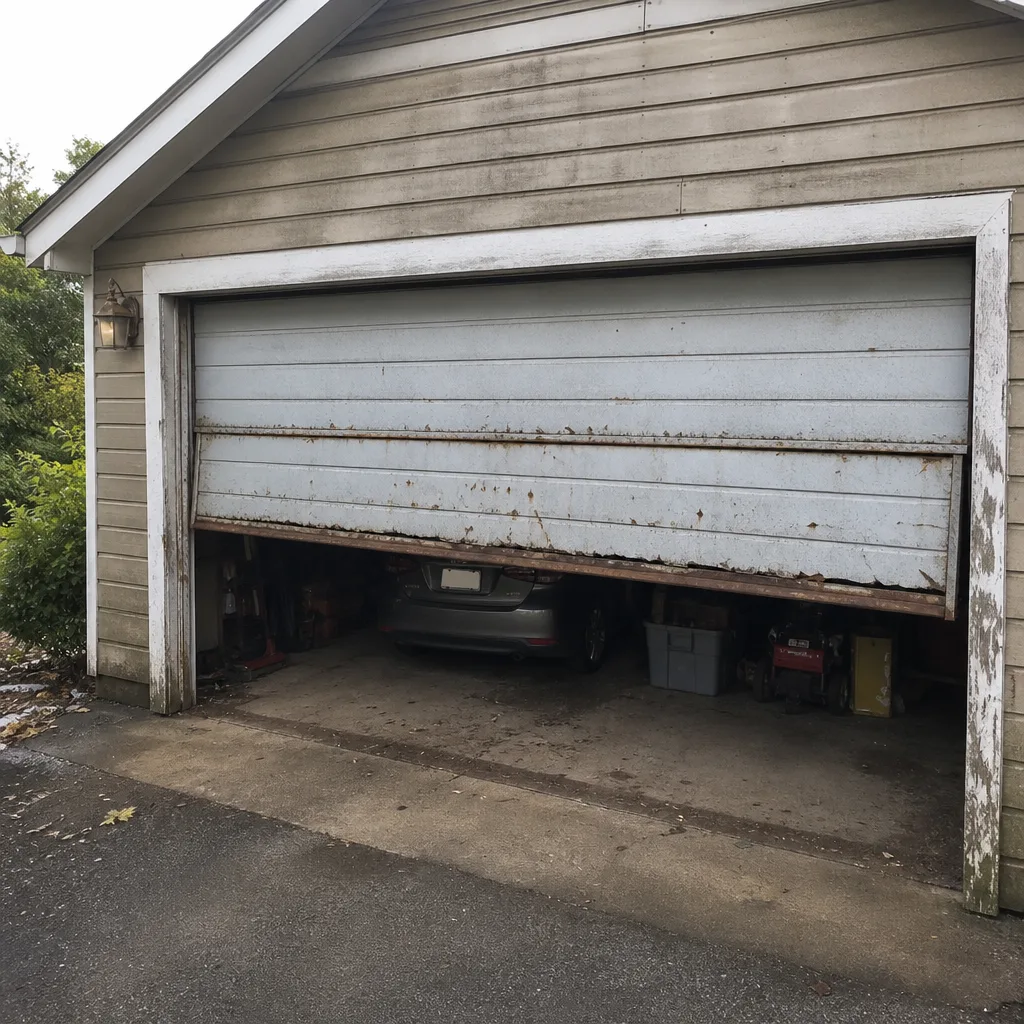 Before
 After
 Before
 After
 Before
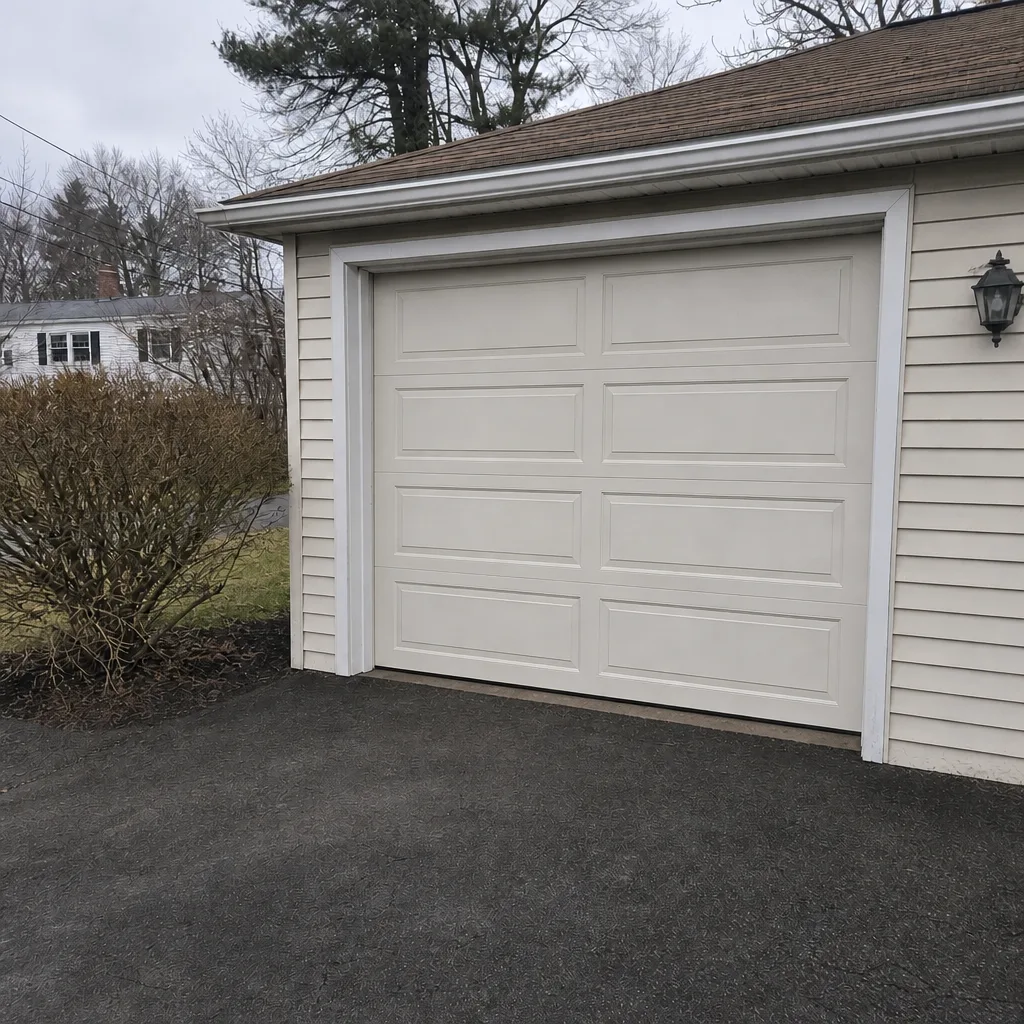 After
When to Call a Professional
Some problems are safe to check yourself, others aren’t. Call a professional when the door won’t move at all, when you hear a loud snap from the torsion bar, when the door is visibly crooked or hanging off a track, or when the opener runs but the door doesn’t move. Also call when the door feels unusually heavy to lift by hand, since that usually means a spring is failing. Electrical issues at the opener motor should go to a professional, not a weekend YouTube session. If you’re in Danbury and want the job diagnosed properly the first time, call a specialist: the local pro we connect you with is licensed and insured as their state requires.
Danbury Garage Door Repair Co offers free estimates in Danbury – call (844) 524-6649. We answer 24/7. Fast dispatch from 7am to 7pm, Sunday through Friday, closed Saturday. Same-day service is available for repairs that can’t wait.
Frequently Asked Questions
Spring repair in the Danbury area typically runs a few hundred dollars per spring, and a matched pair is usually replaced together, so a pair costs about twice a single-spring quote. That’s an estimate; the written price sets the final figure and we quote it before any work starts. Call (844) 524-6649 for an exact quote – estimates are free.
Repair is almost always cheaper when the door panels and tracks are sound, so a specialist will fix the failed part rather than replace the whole system. Replacement only wins when the door is genuinely at end of life or the safety hardware can’t be brought up to spec. A good contractor tells you which one applies to your door, not the other way around.
Ask for the Connecticut registration number and a certificate of liability insurance issued by the insurer directly, then verify both with the state and the insurance company. A written certificate is the only proof that counts; a verbal yes isn’t. The local pro we connect you with is licensed and insured as their state requires.
No. A specialist services multiple opener brands, including LiftMaster, Chamberlain, Craftsman, and Genie, so you don’t need to replace your whole system just because a single-brand dealer only carries one line. Call and describe what’s happening with your opener and we’ll route the right technician.
Yes, always. The written quote sets the final price, so ask for it before anyone picks up a tool. If the number changes once the technician sees the door, the change should be explained and agreed before work continues. Call (844) 524-6649 for a free estimate.
Repair calls can often be handled same-day, and urgent situations like a door stuck open or a broken spring blocking the car go to the front of the line. We answer 24/7. Fast dispatch from 7am to 7pm, Sunday through Friday, closed Saturday. A call outside dispatch hours is booked into the next opening.
That’s fine; a good technician identifies the system from the door, the opener housing, and the existing hardware once on site. You can also check the sticker on the opener motor or the hinge brackets before you call. Tell us it’s unknown and we’ll dispatch someone who works across all the major brands.
You should be, at least for the diagnosis and the estimate, since the price is agreed with you before the work starts. Once the scope and written price are confirmed, the repair can usually proceed in a single visit. Call ahead if your schedule is tight and we’ll coordinate.
The Bottom Line
Hiring a garage door contractor in Danbury is really a filtering job: rule out the brand-exclusive dealers, verify the licensing and insurance documents, demand itemized written quotes, and insist on a labor warranty in writing. Ask the five interview questions. Compare hardware specs, not just totals. Skip anyone who won’t itemize or who recommends replacement before diagnosis. Get the price in writing before work starts, and don’t touch a spring yourself. When you’re ready, call (844) 524-6649 for a free estimate and a straight answer. We answer 24/7. Fast dispatch from 7am to 7pm, Sunday through Friday.
If you want the whole process handled by a multi-brand specialist that diagnoses your existing system instead of selling a predetermined one, call Danbury Garage Door Repair Co at (844) 524-6649. Our technicians have up to 15 years of experience, have worked across every major brand listed in this guide, and quote the price before any work begins.
Written by the team at Danbury Garage Door Repair Co.